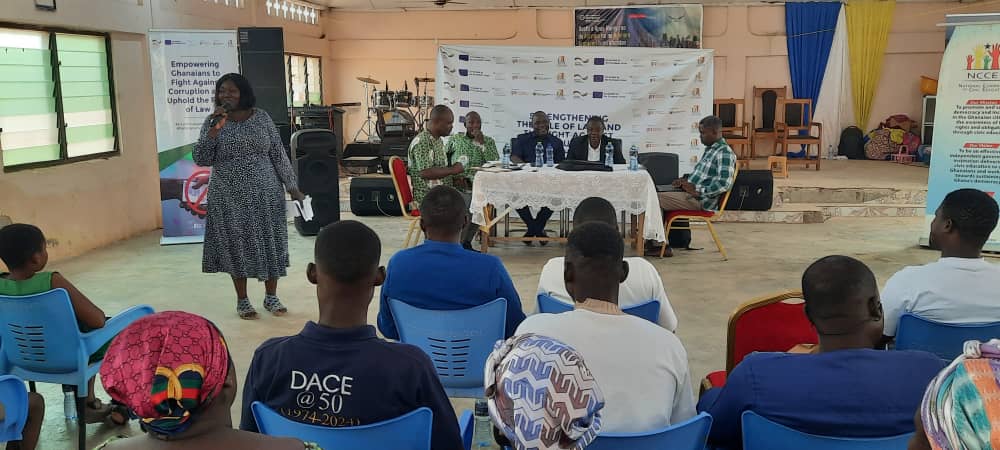
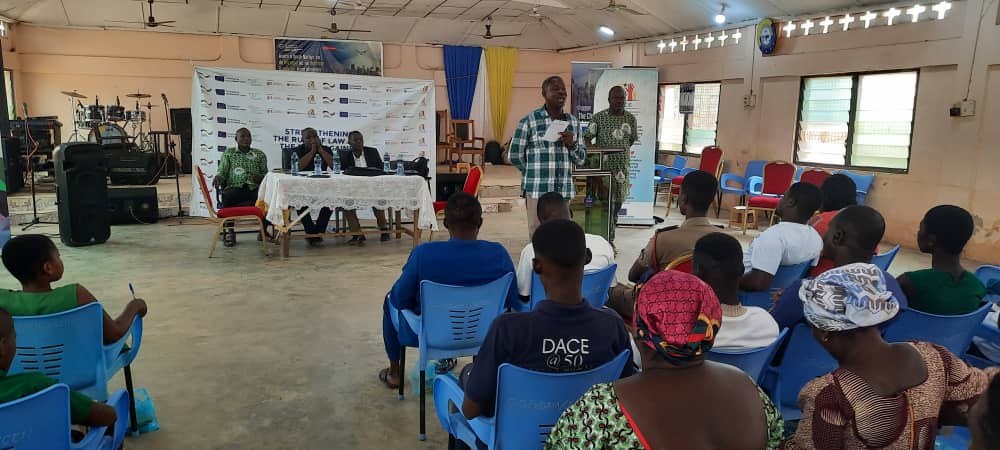
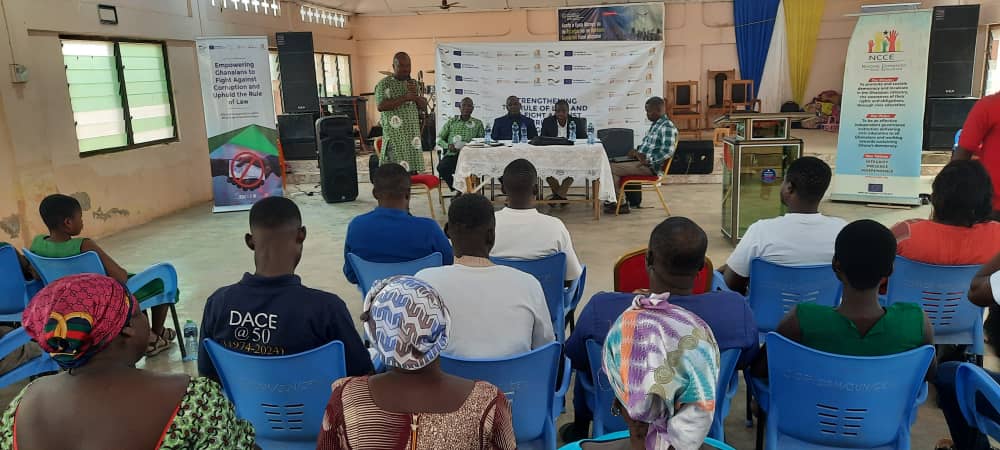
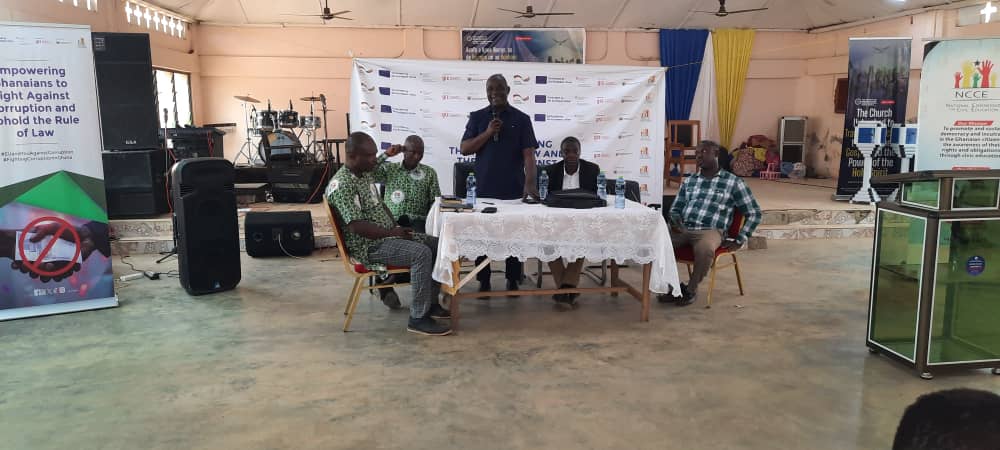
The Krachi East Municipal Office of the National Commission for Civic Education (NCCE) has convened a landmark Social Auditing Forum, bringing together diverse stakeholders to strengthen transparency, accountability, and citizen participation in local governance.
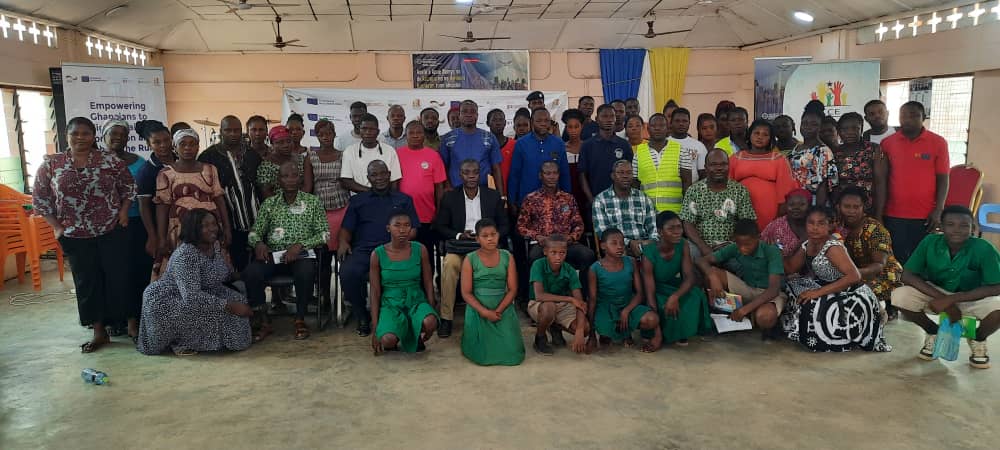
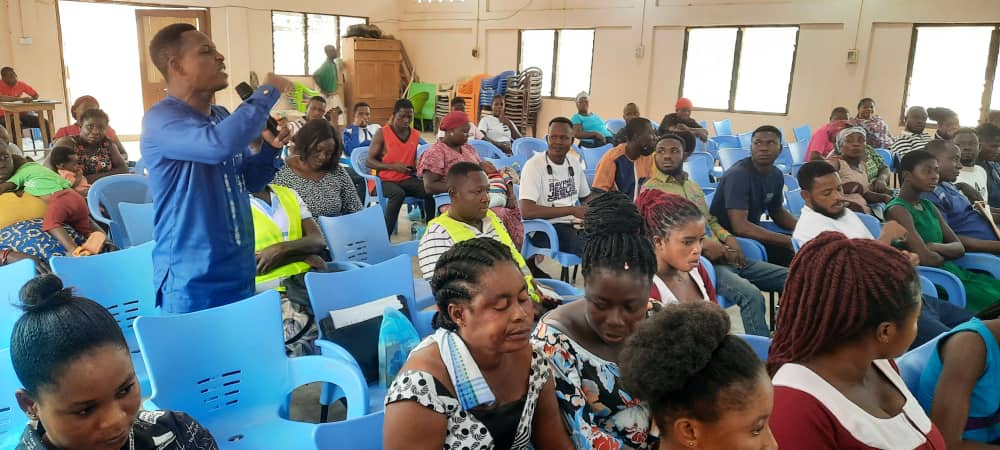
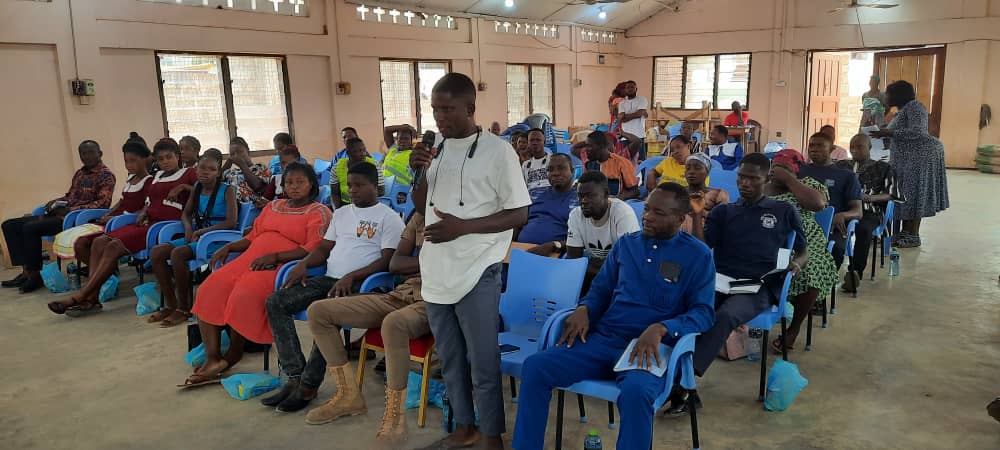
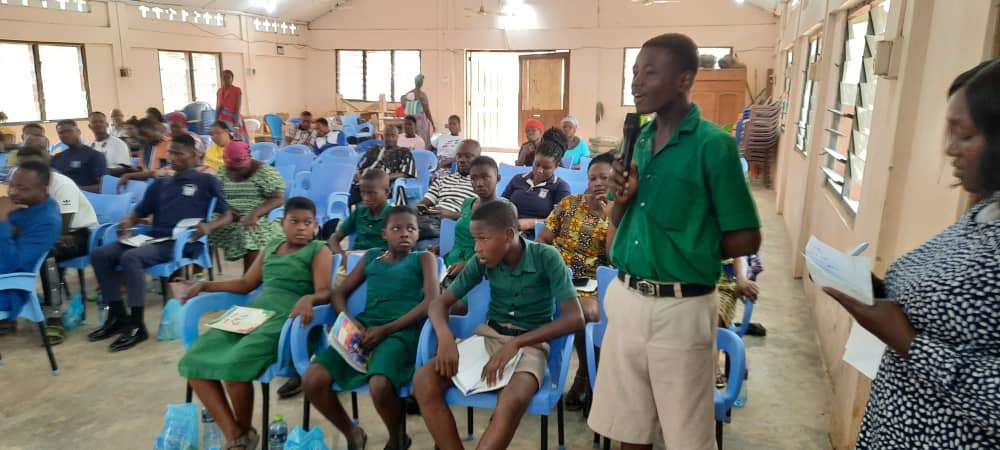
The engagement drew 83 participants, including assembly members, opinion leaders, women’s groups, youth representatives, and civil society organisations. The forum provided a platform for citizens to deliberate on their role in monitoring public projects and ensuring that resources allocated for development are used effectively.
In his welcome address, the Krachi East Municipal Director, Mr. Clement Mamadu, underscored that democracy extends beyond voting during elections. He further explained that social auditing empowers citizens to monitor projects such as schools, health facilities, water systems, and roads, thereby improving quality and reducing misuse of public funds. He urged participants to see themselves as partners in development rather than passive spectators, assuring them of the Commission’s readiness to provide continuous education and collaboration.
Also present was the Oti Regional Director of NCCE, Mr. Robert Boame, who emphasized the purpose of the forum, noting that accountability and transparency are pillars of democracy. He intimated that social auditing fosters trust between citizens and public officials, ensuring that development projects meet the real needs of communities. He encouraged participants to engage authorities respectfully and lawfully whenever concerns arise.
A highlight of the programme was a presentation by Mr. John Bora of the Commission on Human Rights and Administrative Justice (CHRAJ). He educated participants on accountability mechanisms, complaint procedures, and the responsibilities of public office holders. He stressed that public officers are entrusted with authority to serve the people and must act with honesty, fairness, and transparency.
Mr. Bora also outlined lawful ways of reporting corruption, abuse of office, or unfair administrative decisions, urging citizens to gather accurate information and follow proper procedures rather than resorting to confrontation.
At the close of discussions, participants selected a yet-to-be-constructed water project as the focus of their monitoring efforts under the social auditing initiative. The unanimous choice reflected the community’s prioritisation of access to clean and safe water as a cornerstone of development and public health. Citizens pledged to ensure that the project is executed with transparency, accountability, and quality standards.
The forum reinforced citizens’ understanding of their civic responsibilities and highlighted the importance of collaboration between the public and duty bearers. It ended on a hopeful note, with participants demonstrating readiness to actively monitor developmental projects to ensure that public resources truly serve the people.
_
Follow us on our social media pages for more stories and posts from the NCCE.

https://www.instagram.com/nccegh/

https://www.facebook.com/nccegh/
Leave a comment