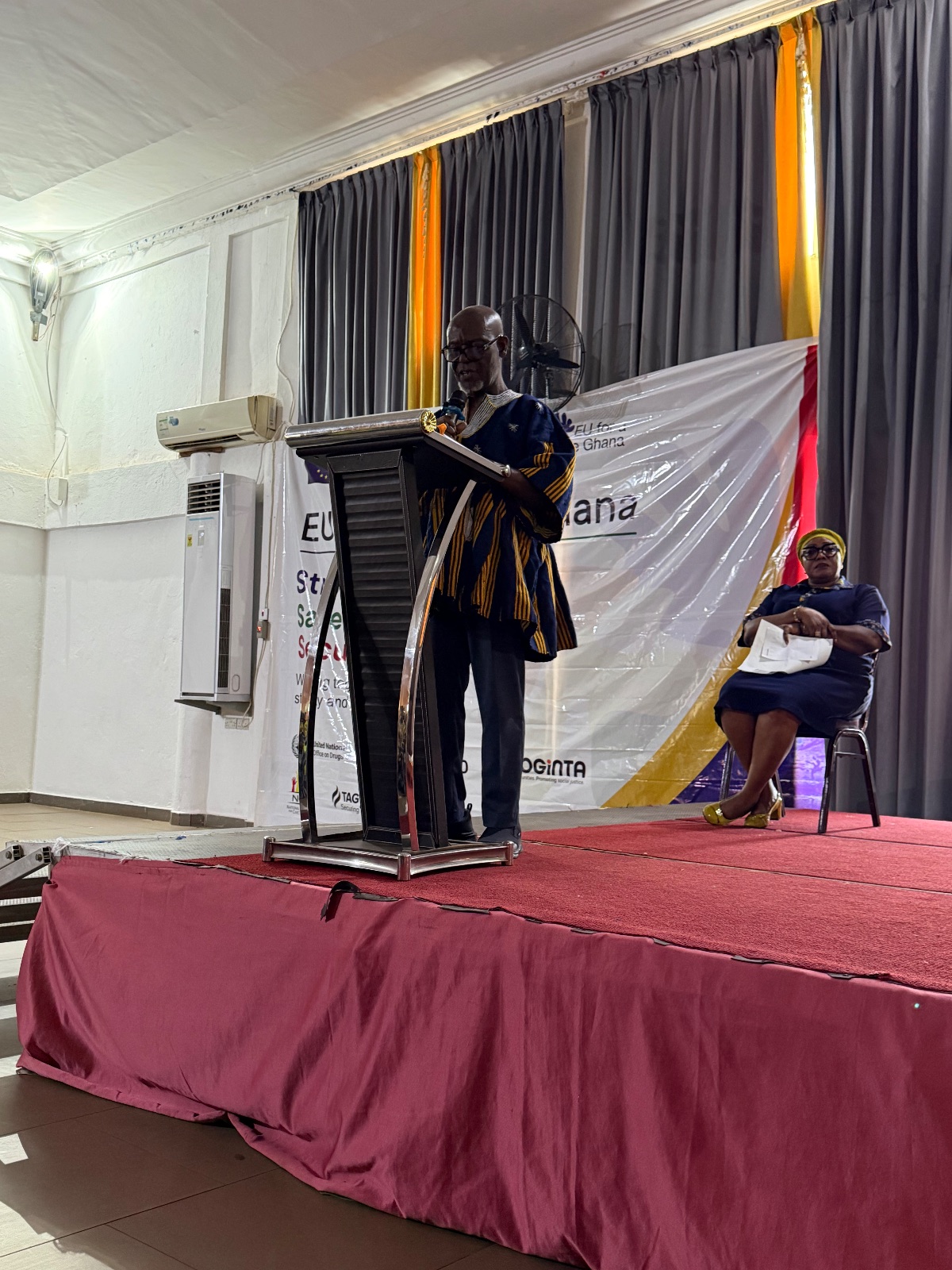
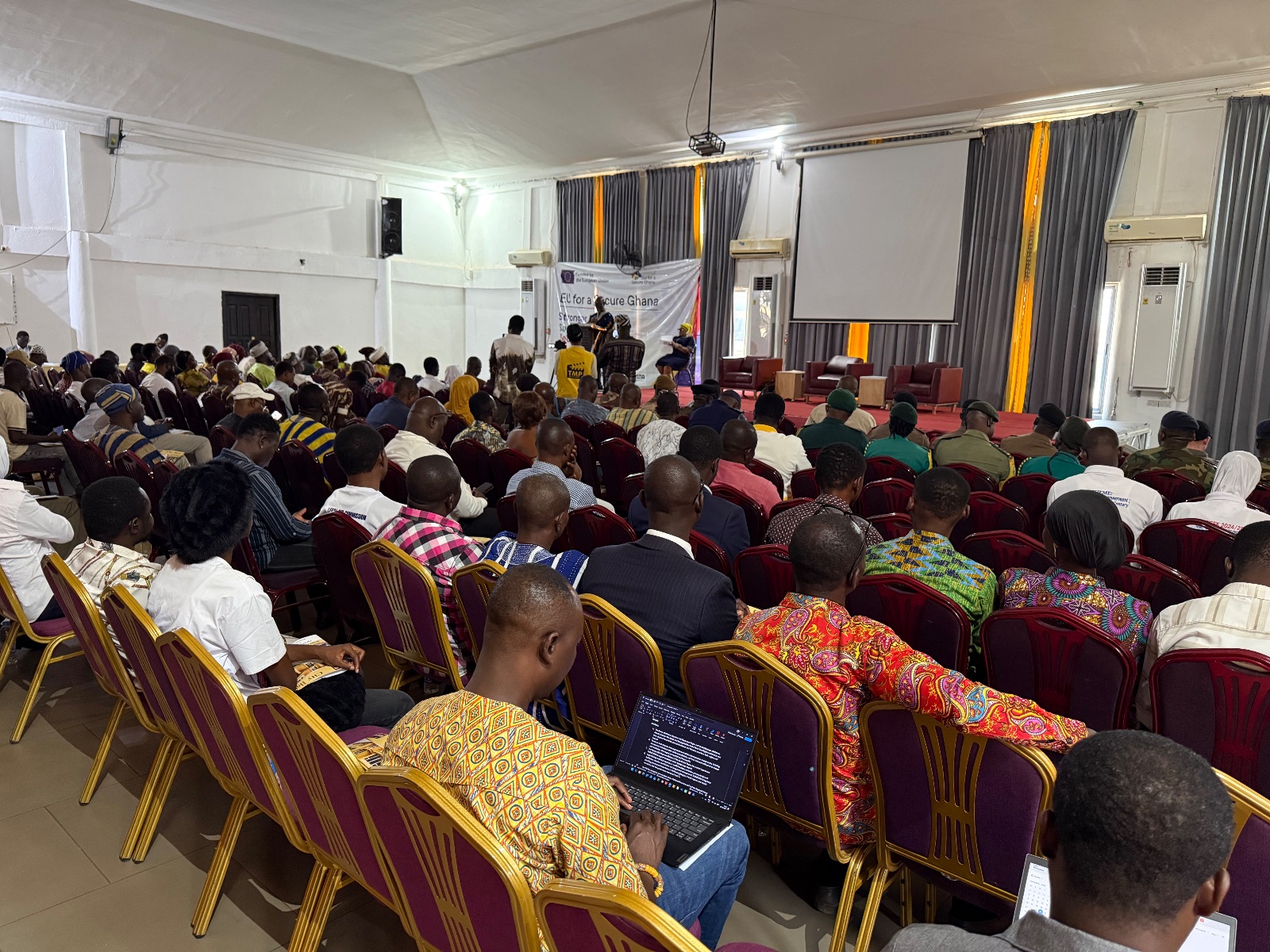
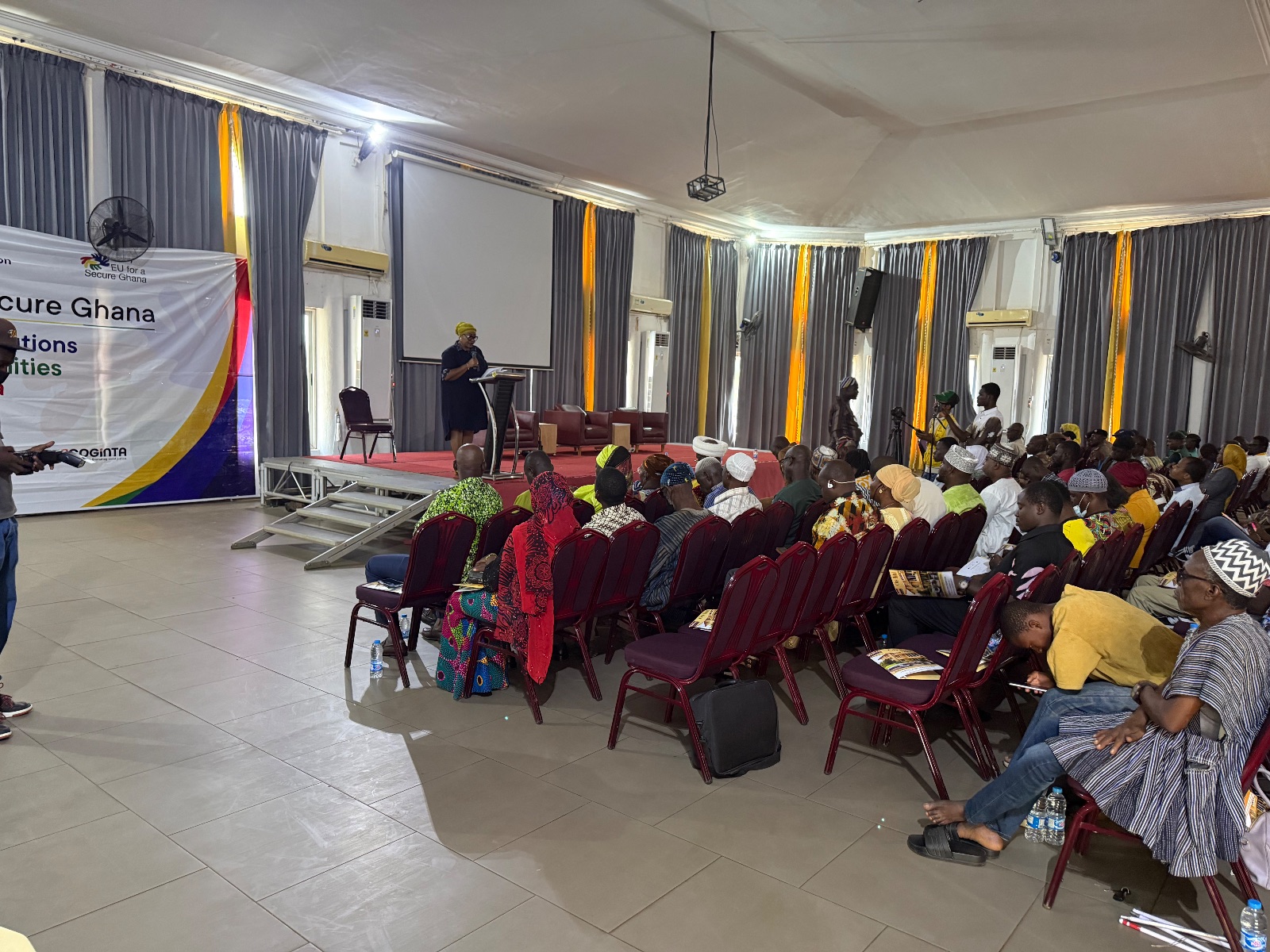
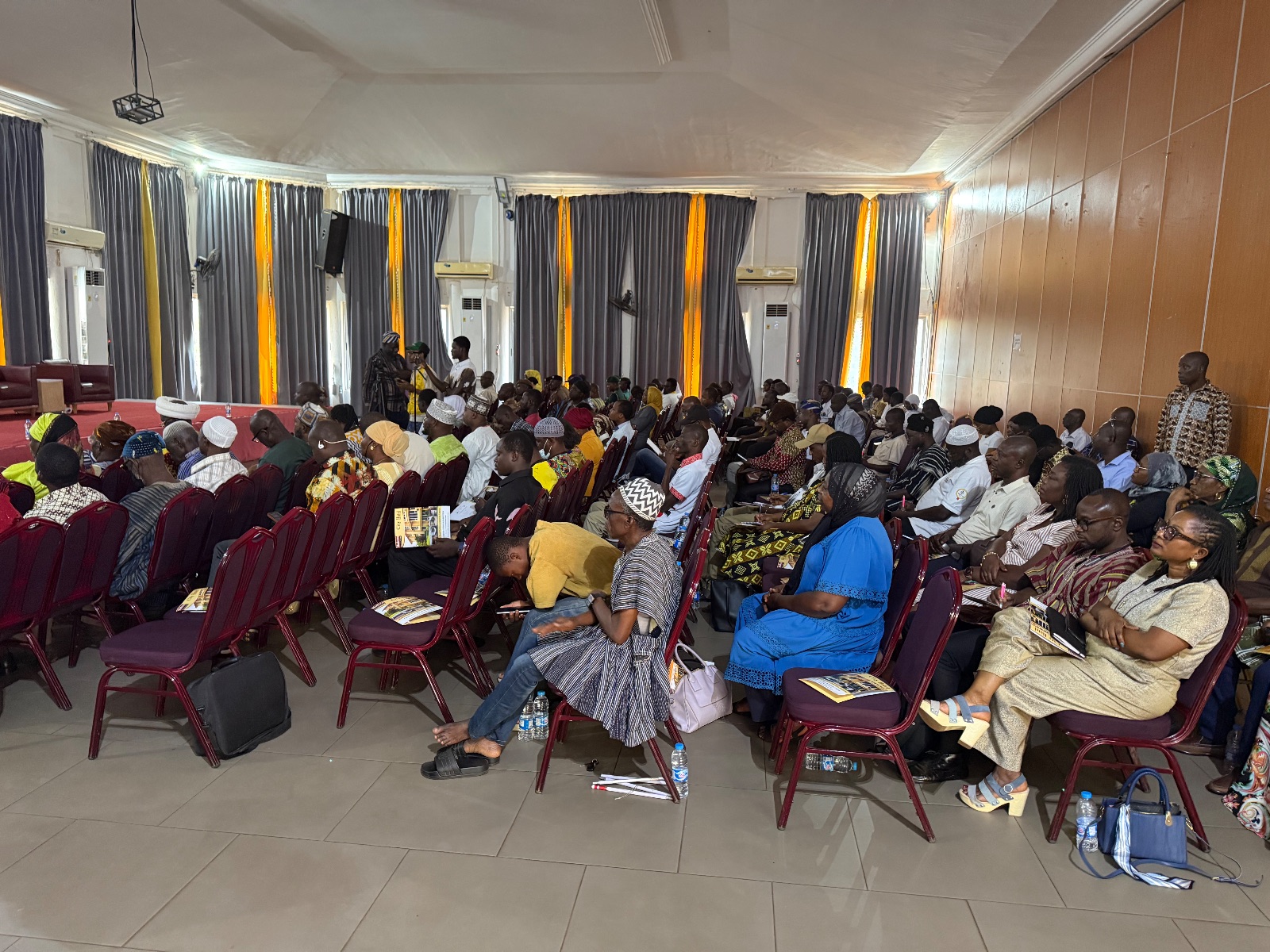
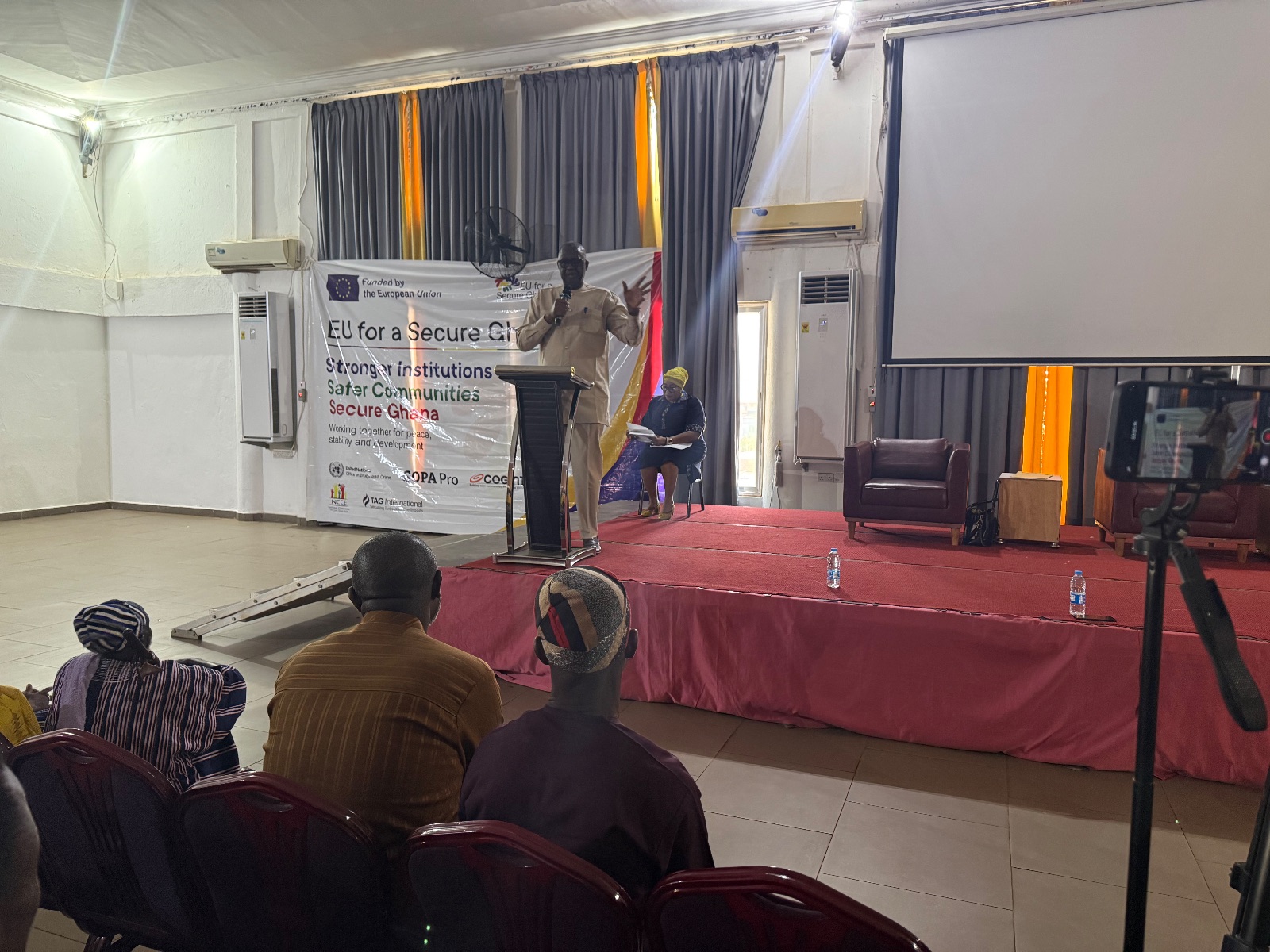
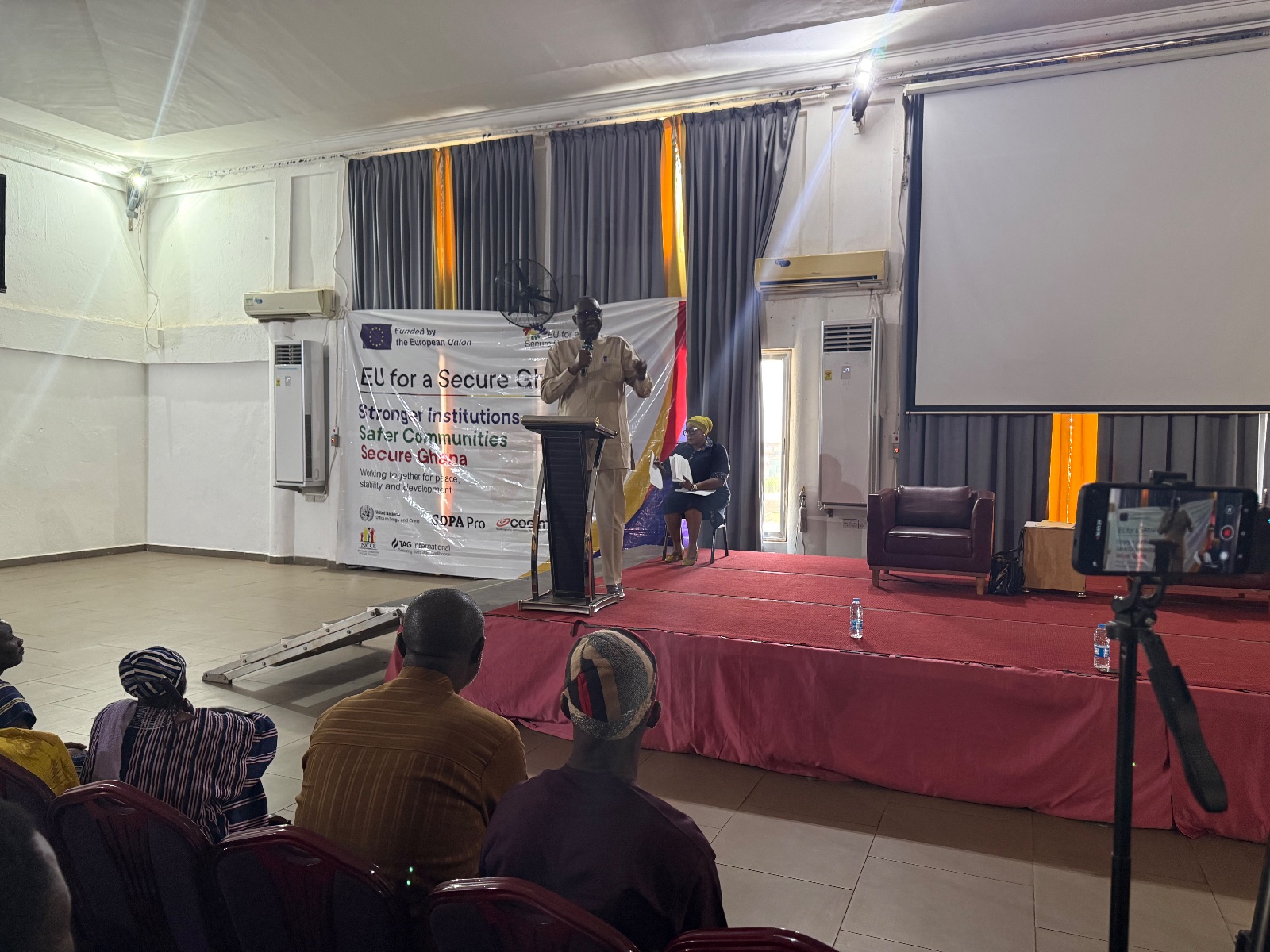
The National Commission for Civic Education (NCCE) and Coginta have emphasised the need for stronger cooperation among public institutions, traditional authorities, religious bodies and communities to prevent violent extremism and strengthen social cohesion. The call came during a European Union (EU)-sponsored regional dialogue on violent extremism and social cohesion held at the Tamale Modern City Hotel. The engagement highlighted the importance of institutional coordination, community participation and public trust in safeguarding peace and national security.
Addressing participants, the NCCE Deputy Chairman, Operations, Mr. Samuel A. Akuamoah, reaffirmed the Commission's commitment to promoting peace and security through sustained civic education. He identified religious institutions and local authorities as important stakeholders in preventing violent extremism, stressing that security agencies cannot effectively address emerging threats in isolation. He called for stronger collaboration among institutions and communities to promote peaceful coexistence and develop coordinated responses to security challenges.
Contributing to the dialogue, Coginta's Country Director, Father Clement, underscored the importance of an all-of-government approach, as reflected in Ghana's national strategy against violent extremism. He explained that preventing violent extremism requires institutions to coordinate their interventions while recognising the influence of traditional authorities in promoting community peace. He disclosed that Coginta had trained more than 60 chiefs and queens to facilitate community peace resolutions and provided logistical support to the National Peace Council.
Father Clement further emphasised that institutional interventions would achieve limited results without the confidence and cooperation of local communities. He maintained that security measures alone could not effectively address violent extremism unless institutions established meaningful relationships with the people they served. According to him, building community trust is essential to encouraging cooperation, addressing local grievances and preventing tensions from escalating into violence.
The EU-sponsored dialogue reinforced the importance of combining civic education, institutional collaboration and community participation in preventing violent extremism. It also highlighted the collective responsibility of state institutions, traditional leaders, religious bodies and citizens in sustaining peace, strengthening social cohesion and protecting communities against emerging security threats.
_
Follow us on our social media pages for more stories and posts from the NCCE.

https://www.instagram.com/nccegh/

https://www.facebook.com/nccegh/
https://www.youtube.com/channel/UCwajFJmmlmzRf1OMM.
Leave a comment