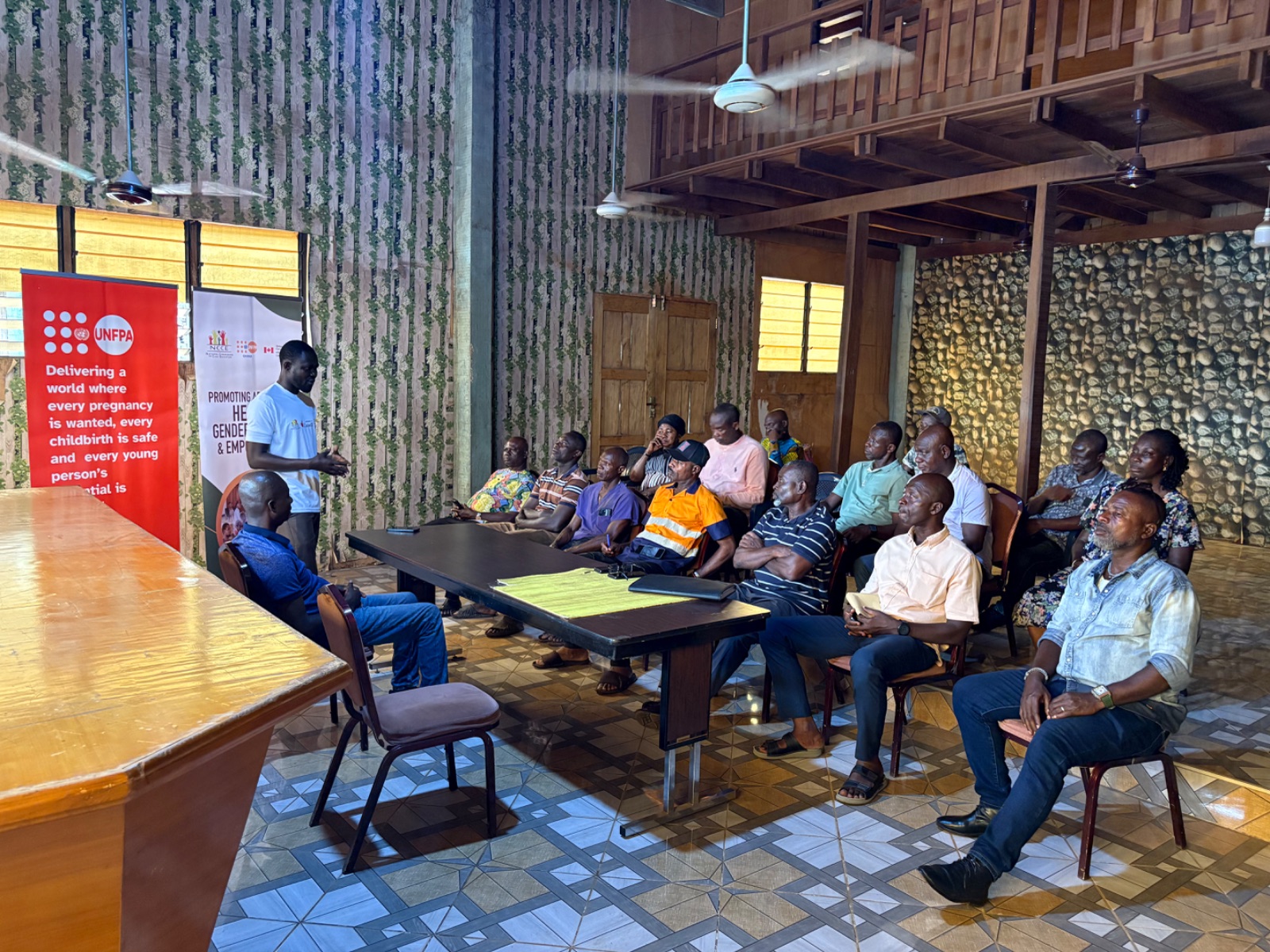
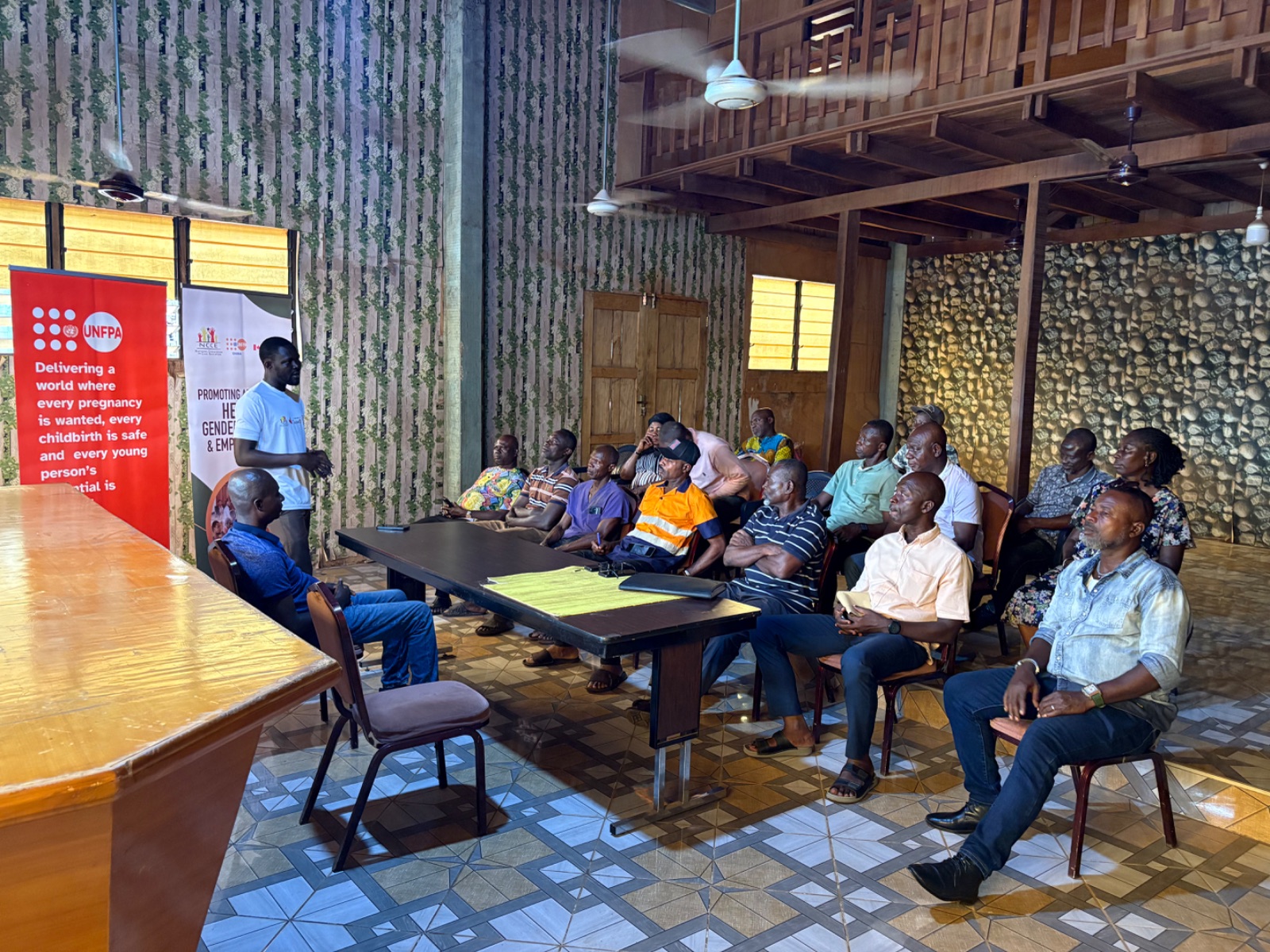
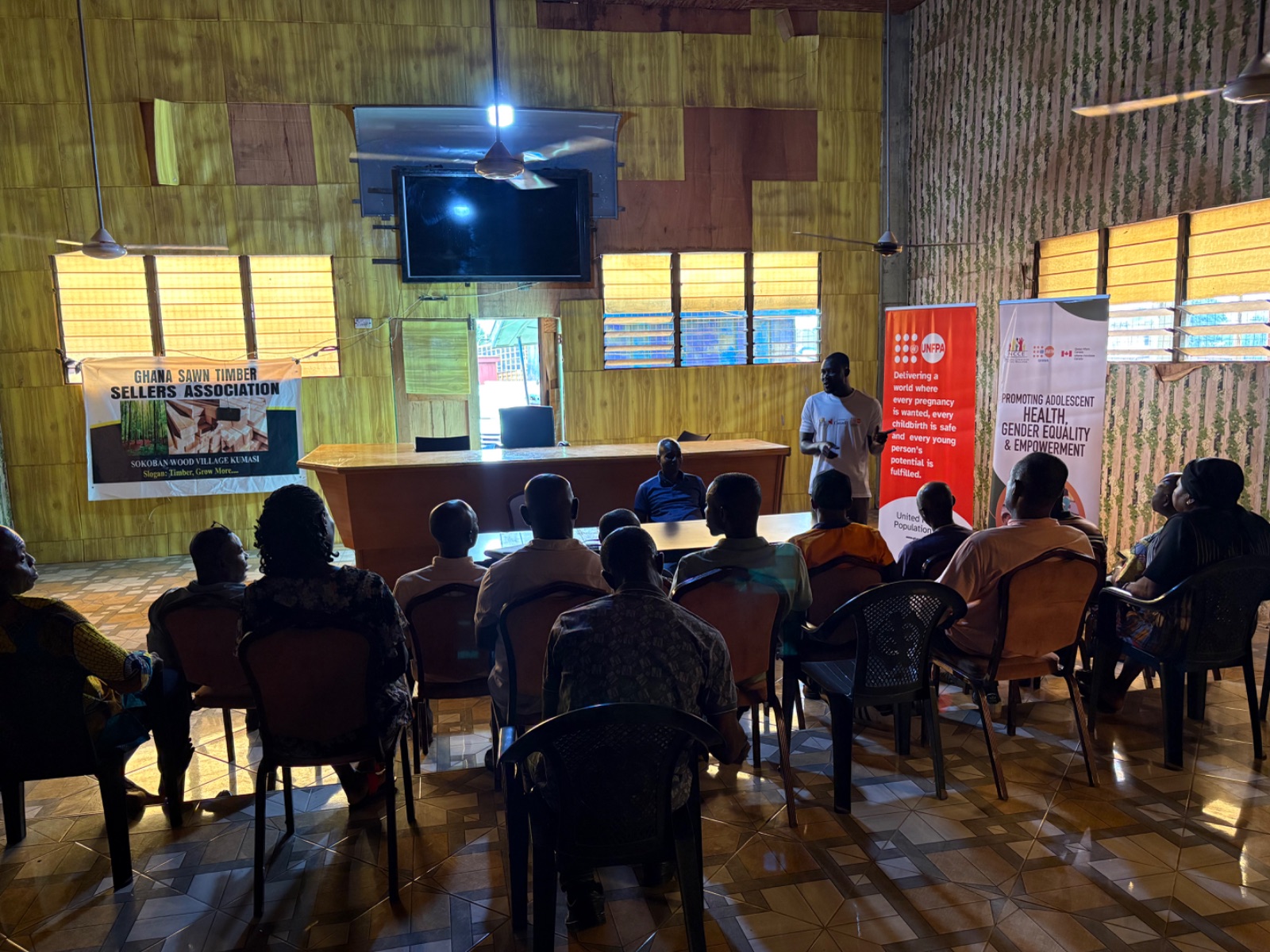
As part of efforts to promote public understanding of adolescent development, parenting responsibilities, and family well-being, the Kumasi Metropolitan Office of the National Commission for Civic Education (NCCE) engaged members of the Sokoban Wood Village Workers’ Association in an interactive educational session on Friday, 12th June 2026.
The engagement brought together members of the association's various executive groups and provided a platform for discussions on adolescent development, child protection, gender equality, family planning, and responsible parenting practices. The session formed part of NCCE's ongoing efforts to promote civic awareness and positive social behavior within communities.
Addressing participants, Mr. Awal Iddrisu explained that while the Constitution of Ghana prohibits children from engaging in hazardous labor and other forms of work that may negatively affect their educational, moral, psychological, or physical development, it remains important for adolescents to be equipped with essential domestic and occupational skills that will prepare them for adulthood.
He clarified that teaching children practical life skills should not be viewed as child labour, provided such training does not interfere with their education or expose them to harmful conditions. According to him, parents and guardians should ensure that any form of skills training takes place outside school hours to safeguard children's right to education.
Transitioning to issues of gender equality, Mr. Iddrisu emphasized that both boys and girls should be given equal opportunities to acquire domestic and life skills. He noted that activities such as cooking, washing utensils, cleaning, and other household responsibilities should not be assigned based solely on gender stereotypes.
According to him, teaching boys and girls the same basic life skills helps prepare them to become responsible, independent, and productive adults capable of contributing meaningfully to their families and society.
The discussion further explored issues relating to adolescent development and sexual and reproductive health. Participants were taken through some of the physical, emotional, and psychological changes that occur during adolescence and were encouraged to support young people through proper guidance and open communication.
Several participants expressed appreciation for the insights shared during the session. Speaking on behalf of the group, Mr. Emmanuel Amenyo thanked the facilitator for clarifying misconceptions and addressing concerns that many participants had held for years regarding adolescent development and sexual and reproductive health issues affecting both males and females.
Addressing the issue of discipline and child upbringing, Mr. Iddrisu explained that the State is not opposed to correcting or disciplining children. However, he stressed that discipline should be administered with the primary objective of reforming behaviour rather than causing harm or abuse.
He noted that disciplinary measures should be reasonable, constructive, and appropriate to the age and understanding of the child. According to him, children should be guided in ways that help them appreciate the purpose of the correction and learn from their mistakes.
The session also examined family planning and responsible parenthood. Participants agreed with the facilitator that the quality of care provided to children is more important than the number of children a family has. Discussions highlighted the importance of ensuring that parents have children they can adequately provide for in terms of education, healthcare, nutrition, and overall well-being.
The highly interactive engagement, which lasted approximately one and a half hours, provided participants with the opportunity to ask questions, share experiences, and contribute to discussions. Members from all three executive subgroups of the registered association actively participated throughout the programme.
At the end of the engagement, the Kumasi Metropolitan Office of NCCE and the Sokoban Wood Village Workers’ Association agreed to organize additional educational sessions for the wider membership of the association. The planned engagements are expected to reach thousands of registered members and further strengthen public awareness on issues relating to adolescent development, family welfare, gender equality, and responsible citizenship.
The programme successfully enhanced participants' understanding of child development, parenting, and social responsibility while promoting values that contribute to healthy families and stronger communities.
_
Follow us on our social media pages for more stories and posts from the NCCE.

https://www.instagram.com/nccegh/

https://www.facebook.com/nccegh/
Leave a comment