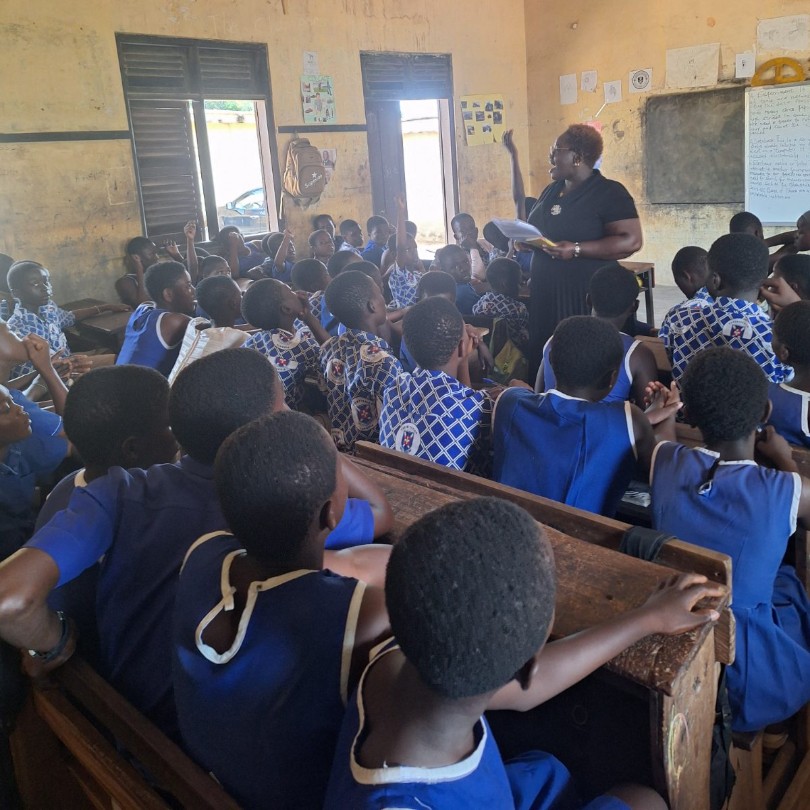
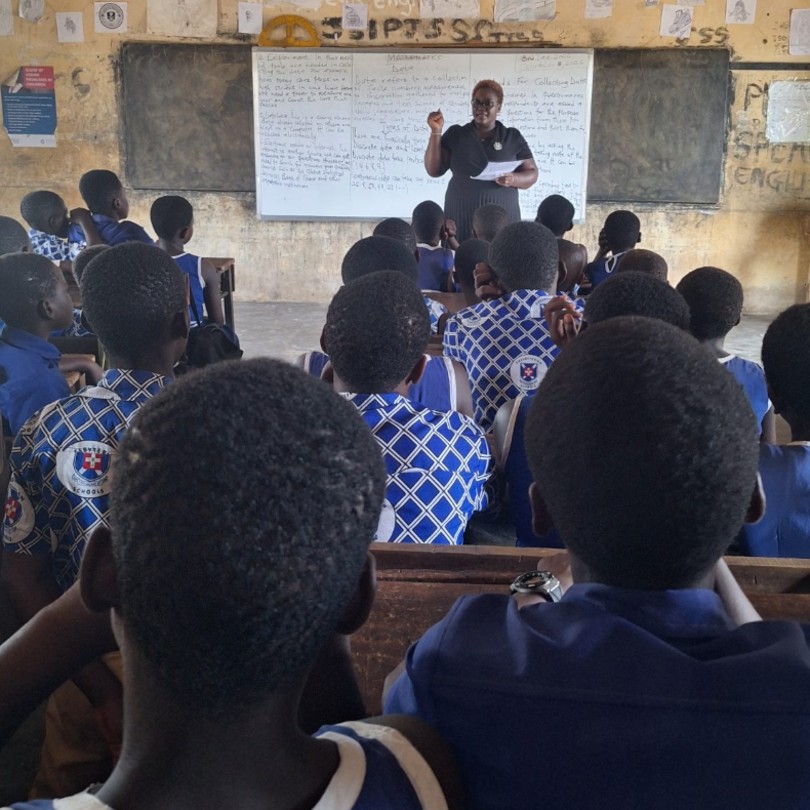
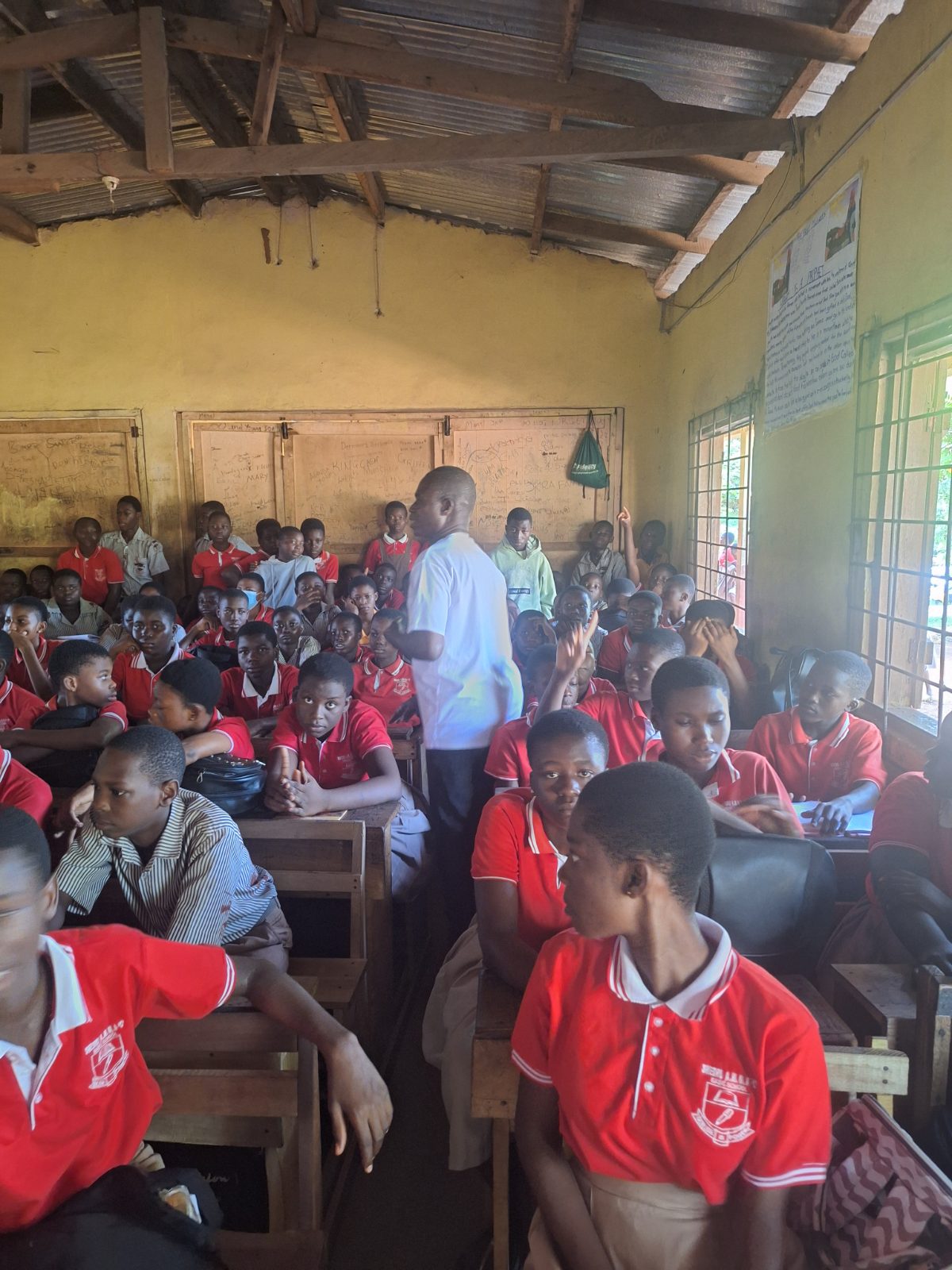
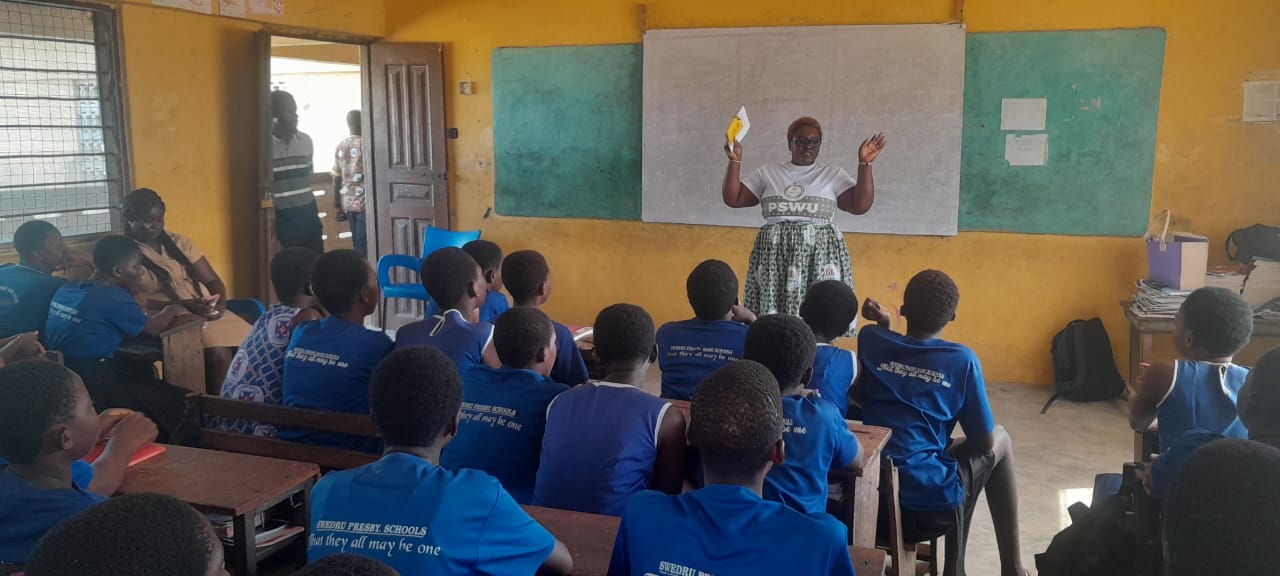
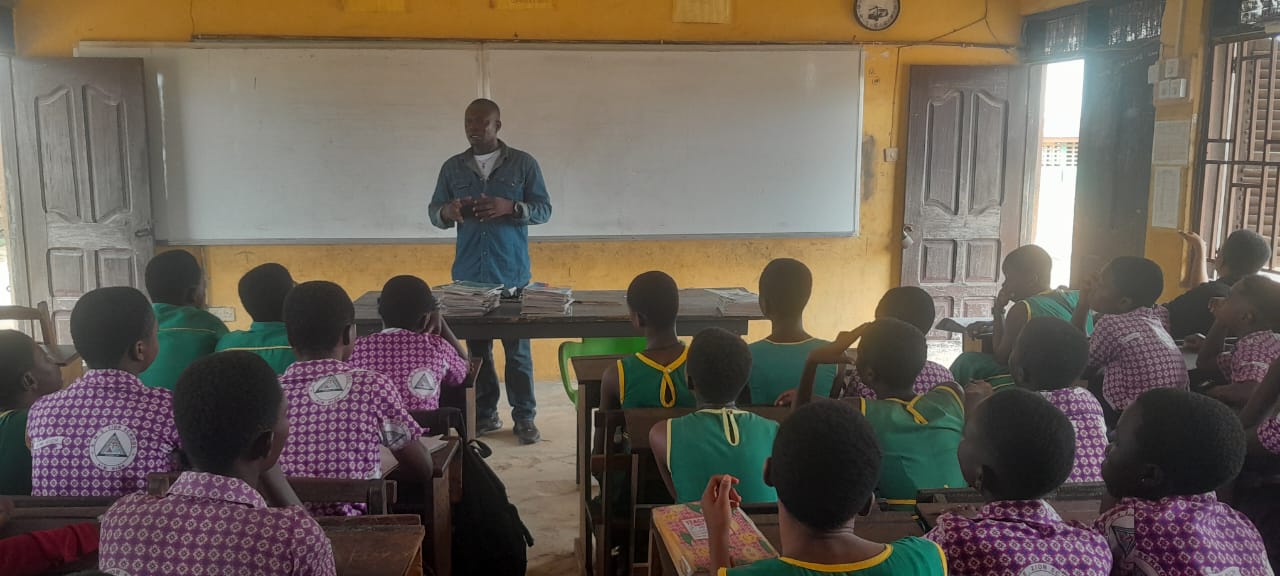
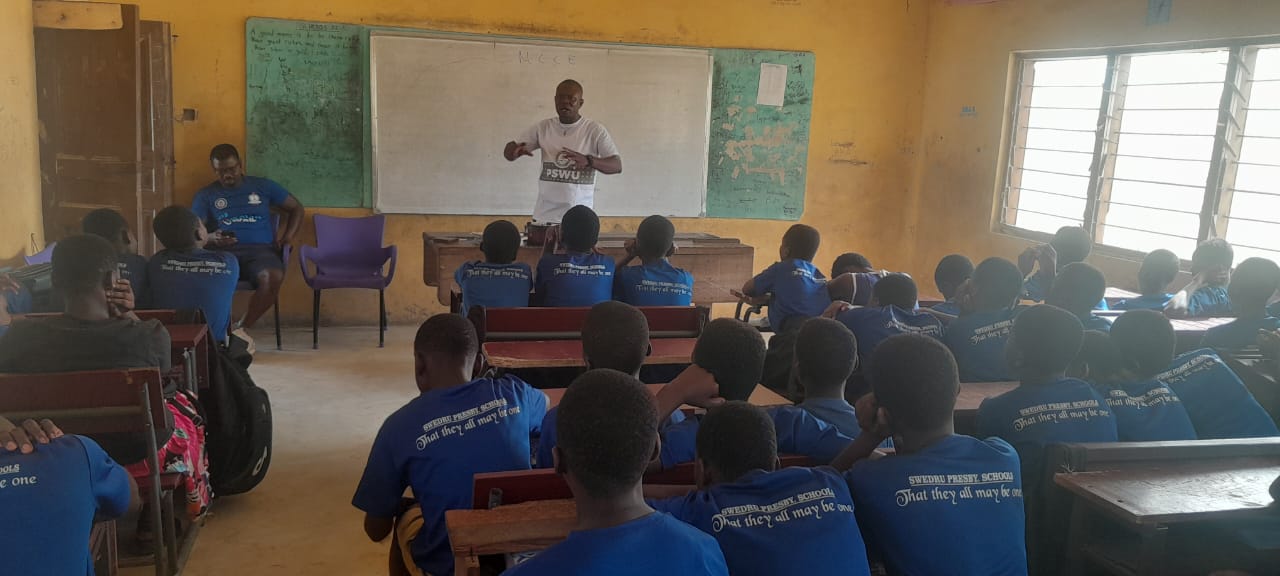
The Agona West Municipal Office of the National Commission for Civic Education (NCCE) has engaged pupils of selected basic schools within the municipality as part of activities marking this year’s Citizenship Week Celebration.
The engagements were held under the sub-theme, “Growing Up Digital: The Ghanaian Child Upholding the Constitution Online.” The programme formed part of the Commission’s planned activities for the quarter and sought to help young learners understand their rights, responsibilities, and expected conduct in the digital space.
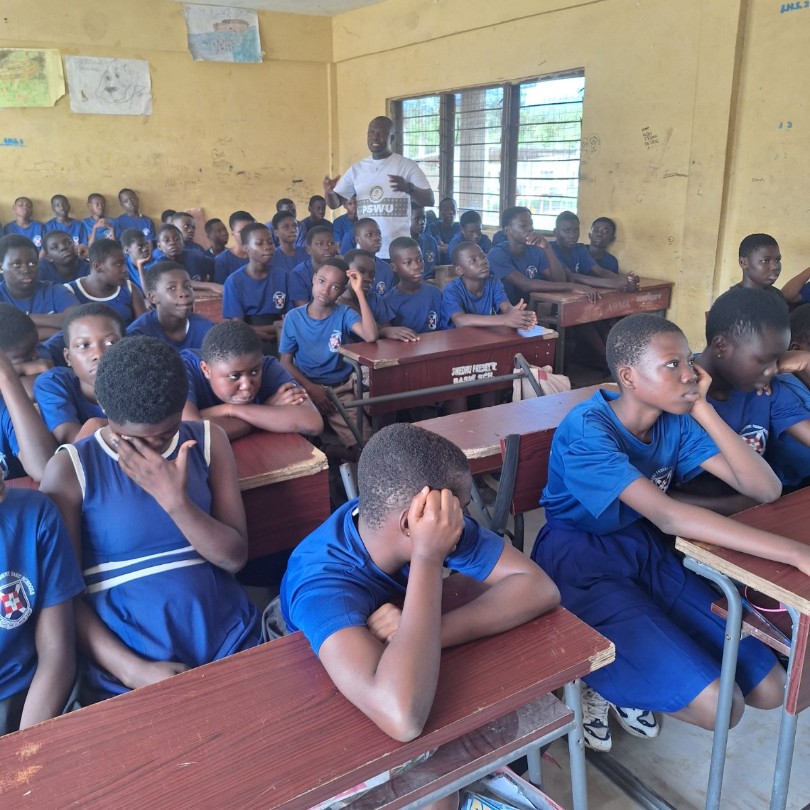
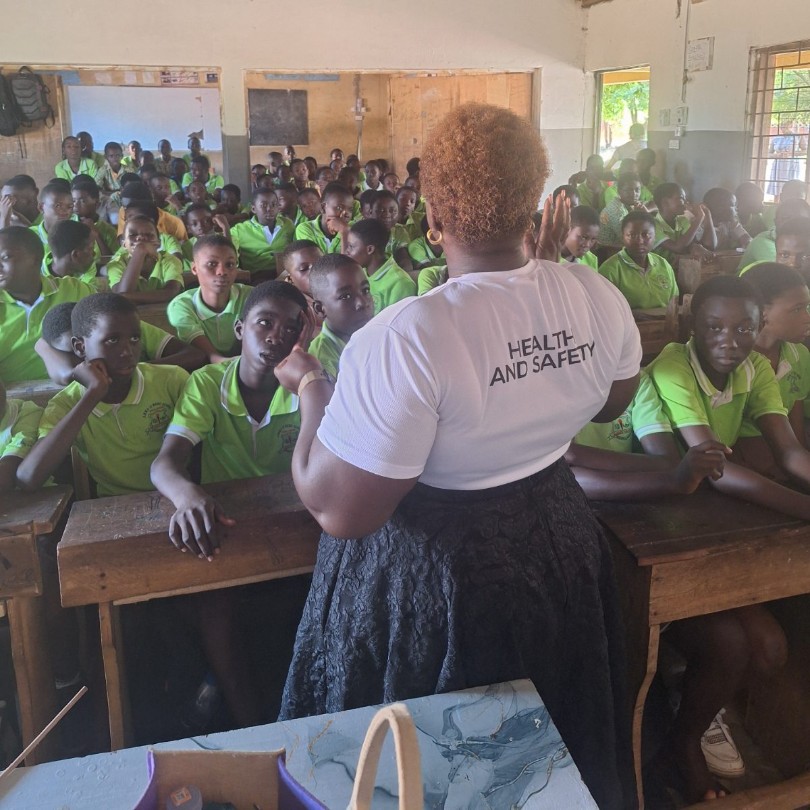
Schools reached during the celebration included Presbyterian Basic School, A.W.M.A ‘C’ and ‘E’ Basic Schools, Narrow Way Basic School, S.D.A ‘A’ and ‘B’ Basic Schools, A.M.E Zion ‘B’ Basic School, among others within the Agona West Municipality.
During the engagements, pupils were educated on what it means to be responsible citizens in the digital age. The NCCE team explained that the values of the 1992 Constitution, including respect for others, truthfulness, discipline, tolerance, and responsibility, must guide the behaviour of citizens both offline and online.
The pupils were taken through some of the major challenges children and young people face on digital platforms. These included misinformation, cyberbullying, online scams, inappropriate content, and privacy risks. They were encouraged to be careful about the messages, videos, pictures, and comments they share on social media and other online platforms.
The facilitators explained that misinformation can create fear, confusion, and conflict when false or unverified information is shared. Pupils were therefore advised to verify information from credible sources before forwarding it to others. They were also reminded that not everything seen online is true and that responsible digital citizens must think carefully before posting, sharing, or commenting.
On cyberbullying, the learners were cautioned against using digital platforms to insult, threaten, mock, or embarrass others. They were encouraged to show kindness and respect in their online interactions and to report incidents of cyberbullying to teachers, parents, guardians, or other trusted adults.
The pupils were also sensitized on online scams and privacy risks. They were advised not to share personal information such as passwords, home addresses, telephone numbers, school details, or private photographs with strangers online. The NCCE team further cautioned them against clicking suspicious links or responding to messages from unknown persons promising gifts, money, jobs, or other attractive offers.
The engagements were interactive, giving pupils the opportunity to ask questions, share their experiences, and reflect on how they use digital platforms. Their participation showed a growing awareness of the need to stay safe online and use technology in ways that support learning, communication, and personal development.
The programme reaffirmed the Commission’s commitment to nurturing responsible, informed, and disciplined young citizens who will uphold the Constitution and contribute positively to society, both in the physical world and in the digital space.
_
Follow us on our social media pages for more stories and posts from the NCCE.

https://www.instagram.com/nccegh/

https://www.facebook.com/nccegh/
Leave a comment