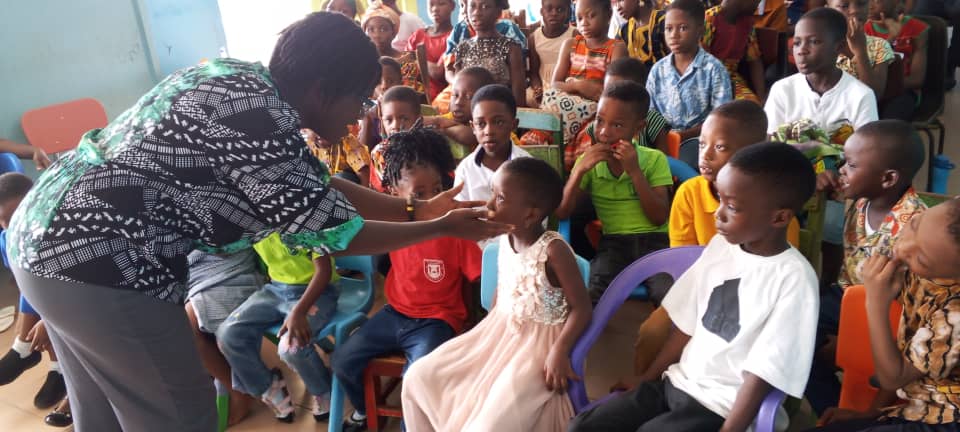
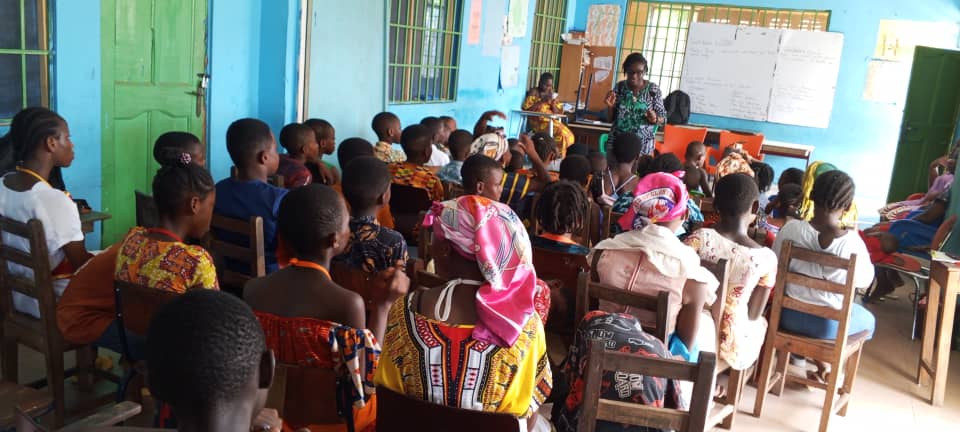
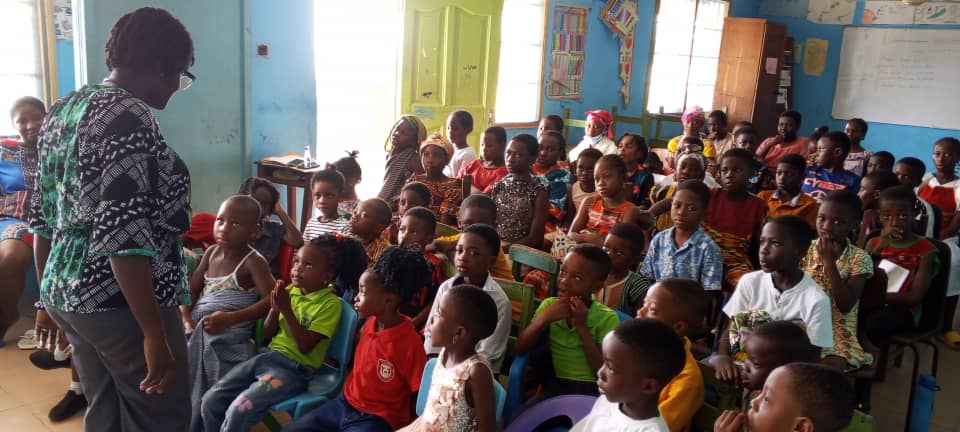
Pupils of Gifted Child International School at Okpoi Gonnor, Spintex, received practical lessons on personal hygiene and environmental protection when the Ledzokuku District Office of the National Commission for Civic Education (NCCE) organized a sensitization programme on Friday, 12th June 2026.
The educational engagement formed part of the Commission’s efforts to promote responsible citizenship among young people by encouraging healthy living habits and environmental stewardship from an early age.
Addressing the pupils, Madam Phyllis Anang, Principal Civic Education Officer (PCEO), educated them on the importance of maintaining good personal hygiene and adopting healthy daily practices. She explained that personal cleanliness plays a crucial role in preventing illnesses and promoting overall well-being.
Using simple and relatable examples, Madam Anang encouraged the pupils to wash their hands regularly with soap, particularly before eating and after using the toilet. She also advised them to brush their teeth at least twice a day, bathe regularly, wear clean clothing, and keep their fingernails short and clean.
According to her, maintaining good hygiene helps prevent the spread of germs and diseases, enabling children to remain healthy, active, and consistent in their academic activities. She emphasized that healthy habits developed during childhood often remain beneficial throughout life.
Transitioning to environmental responsibility, Madam Gifty Amedzro, Senior Civic Education Officer (SCEO), educated the pupils on the importance of protecting and preserving their environment. She explained that maintaining clean surroundings contributes significantly to public health and community development.
Madam Amedzro encouraged the pupils to dispose of waste properly by using designated dustbins and avoiding littering. She urged them to take responsibility for keeping their classrooms, school compound, and homes clean at all times.
She further explained that poor sanitation and indiscriminate waste disposal can lead to environmental pollution and increase the risk of diseases such as cholera, malaria, and other sanitation-related illnesses. Maintaining a clean environment, she noted, is therefore essential for safeguarding the health of individuals and communities.
The pupils were also encouraged to support environmental conservation efforts by planting and caring for trees and flowers within their schools and communities. Madam Amedzro explained that trees contribute to cleaner air, provide shade, and help improve the overall quality of the environment.
To make the session more interactive and engaging, both facilitators asked questions and encouraged the pupils to share their thoughts and experiences. The learners actively participated in the discussions and demonstrated a good understanding of the lessons by answering questions correctly.
The interactive approach enhanced the pupils’ appreciation of the importance of personal hygiene and environmental cleanliness while reinforcing their role in promoting healthy and sustainable communities.
At the end of the programme, the pupils pledged to apply the lessons learned in their daily lives and to share the knowledge with their families, friends, and peers.
The event was documented through photographs for record and publicity purposes.
The NCCE concluded the engagement by reminding the pupils that cleanliness remains a shared responsibility and encouraging them to uphold the principle that “cleanliness is next to godliness” through positive actions at home, in school, and within their communities.
_
Follow us on our social media pages for more stories and posts from the NCCE.

https://www.instagram.com/nccegh/

https://www.facebook.com/nccegh/
Leave a comment