The Central Tongu Directorate of the National Commission for Civic Education (NCCE) has intensified public education on adolescent health, gender equality, and the prevention of gender-based violence (GBV), with a renewed focus on engaging men and boys as key agents of social change.
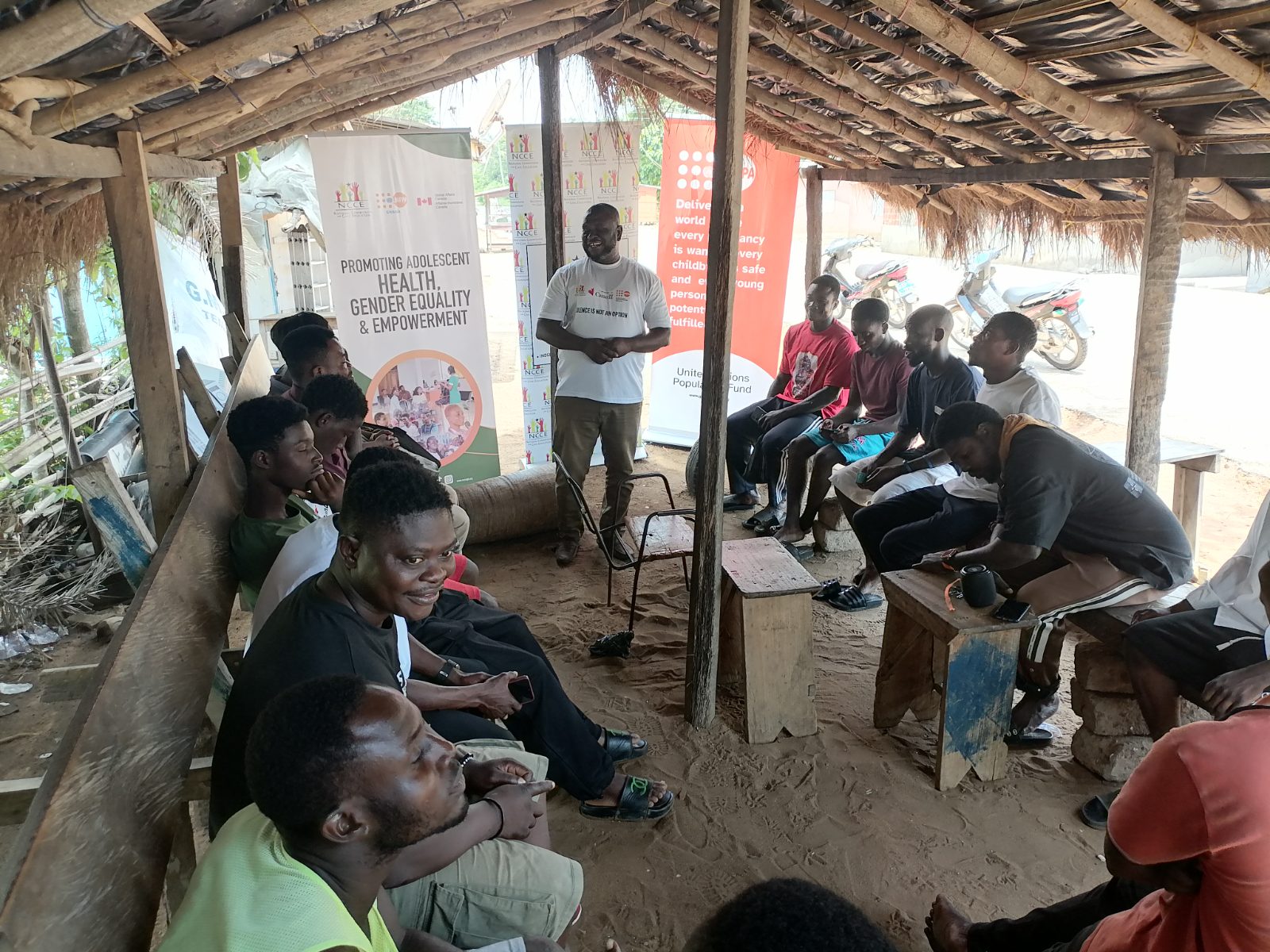
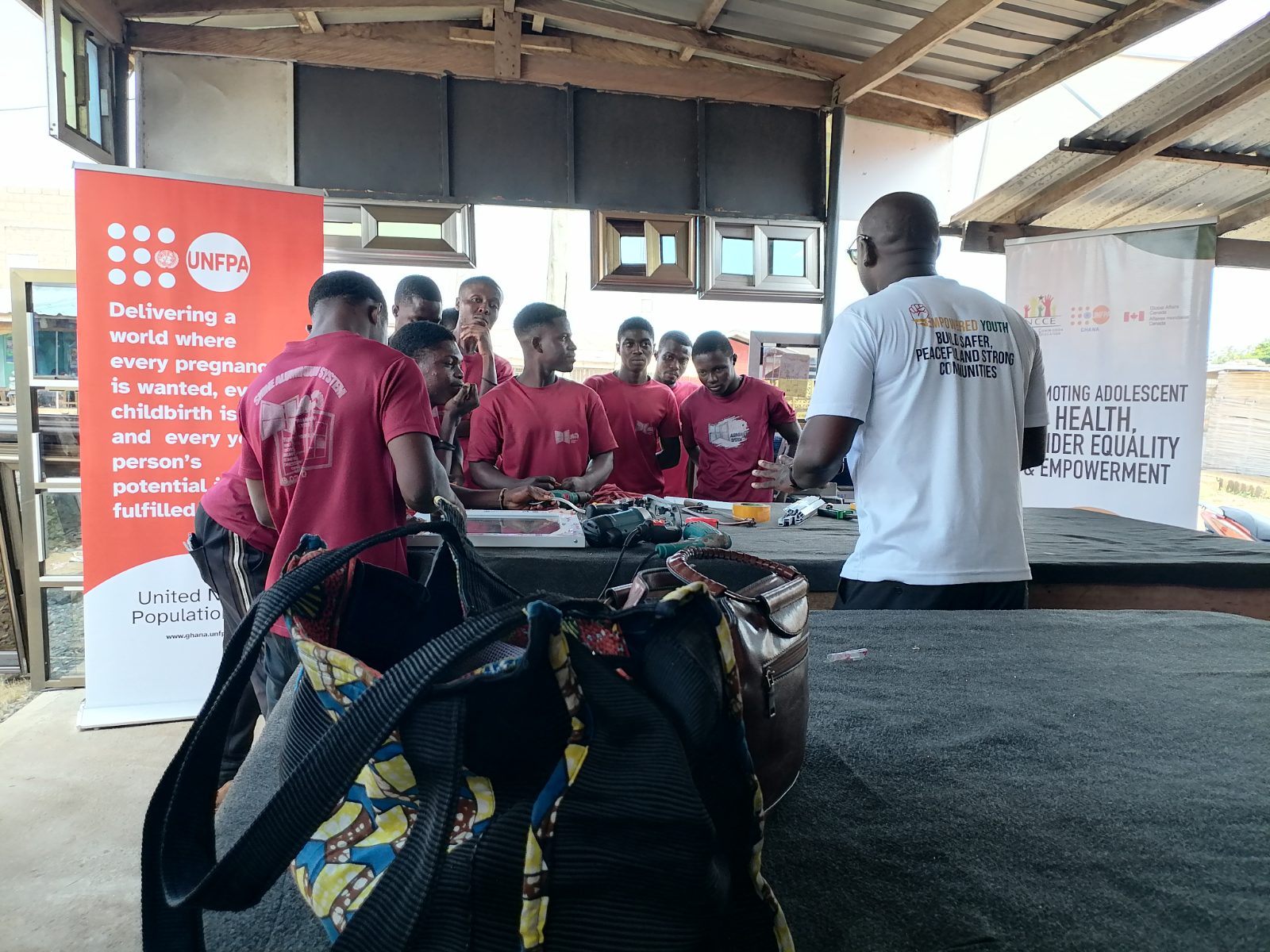
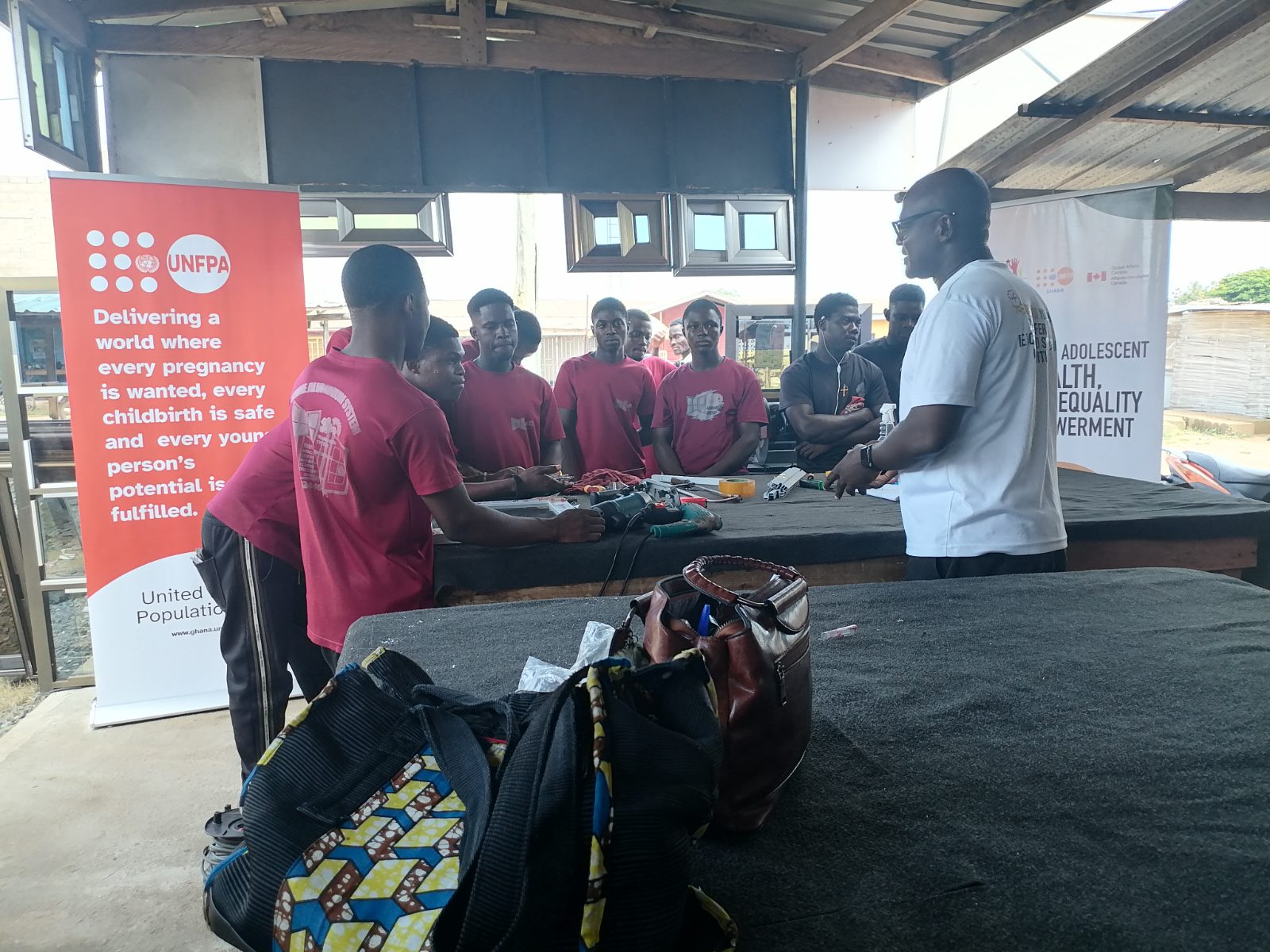
The engagement, held on Wednesday at Mafi Adidome, brought together glass fabricators and other workers within the enclave to discuss their role in promoting positive social norms and creating safer environments for adolescents, particularly girls.
The initiative forms part of the Adolescent Girls Program (AGP), being implemented by the NCCE in partnership with the United Nations Population Fund (UNFPA) with financial support from Global Affairs Canada.
Addressing participants, the Central Tongu District Director of the NCCE, Mr. George A.K. Amey, underscored the critical role men and boys play in reshaping harmful gender norms and supporting the healthy development of adolescents.
He urged participants to desist from negative social behaviors and practices that expose young people to risks such as teenage pregnancy, unsafe sexual activities and various forms of violence.
Mr. Amey noted that adolescents represent the future of the country and therefore require the collective support, protection and guidance of adults to enable them to realize their full potential.
The District Program Officer of the NCCE, Mr. Frank Azumah, also called on men to take active responsibility in safeguarding the welfare of young people and promoting respect for the rights of girls and women within their communities.
He stated that creating supportive and violence-free environments for adolescents would contribute significantly to their educational, social and economic development.
The engagement forms part of a broader civic education campaign aimed at improving adolescent sexual and reproductive health, promoting gender equality and preventing gender-based violence across communities in the district.
Officials of the Commission said the project, which commenced last year, had contributed to positive behavioral change among adolescents and increased awareness of issues affecting their health, safety and well-being.
The NCCE reiterated its commitment to working with community members, traditional leaders and identifiable groups to sustain the gains achieved under the program and ensure a safer future for young people.
_
Follow us on our social media pages for more stories and posts from the NCCE.

https://www.instagram.com/nccegh/

https://www.facebook.com/nccegh/
Leave a comment