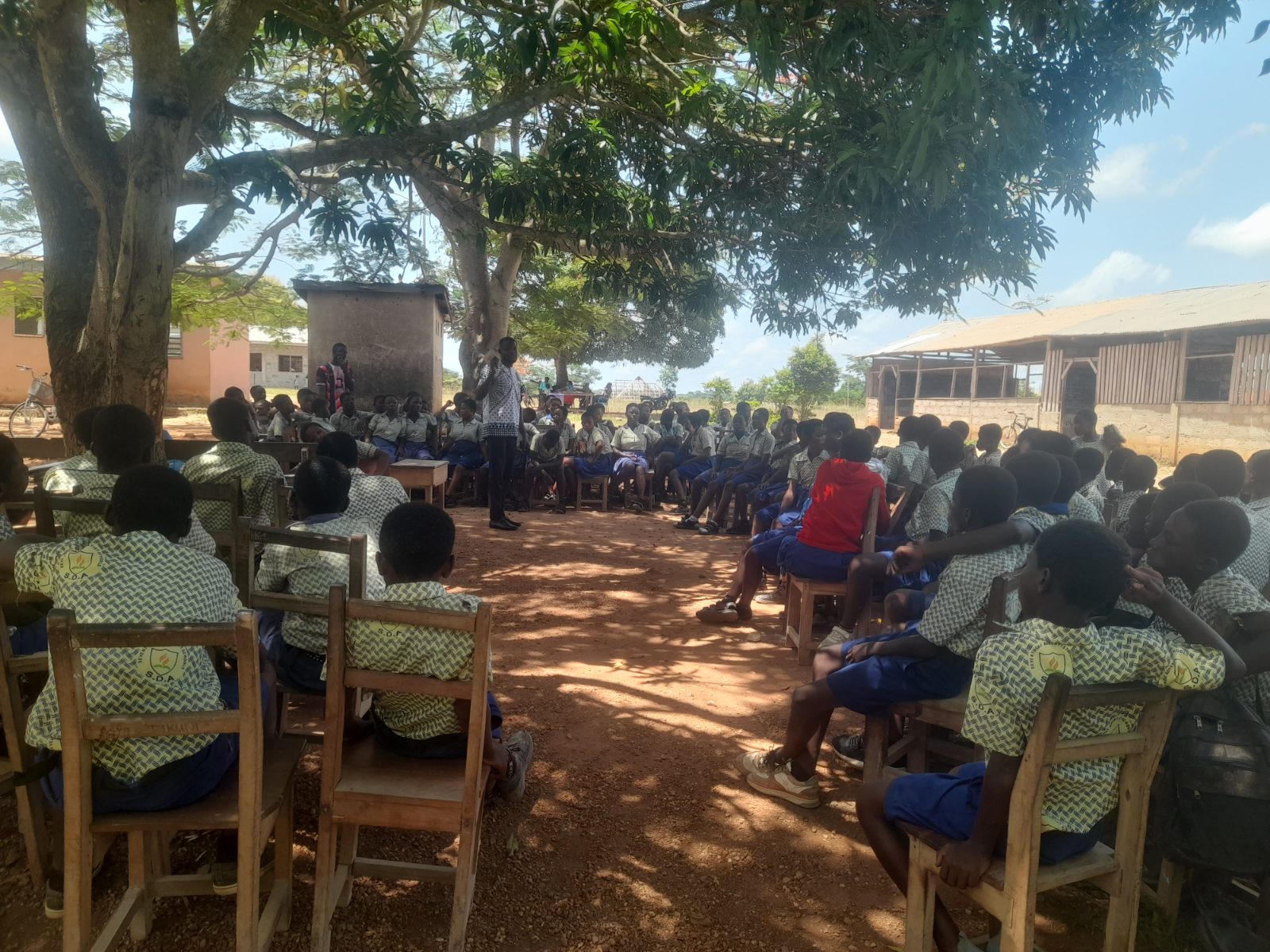
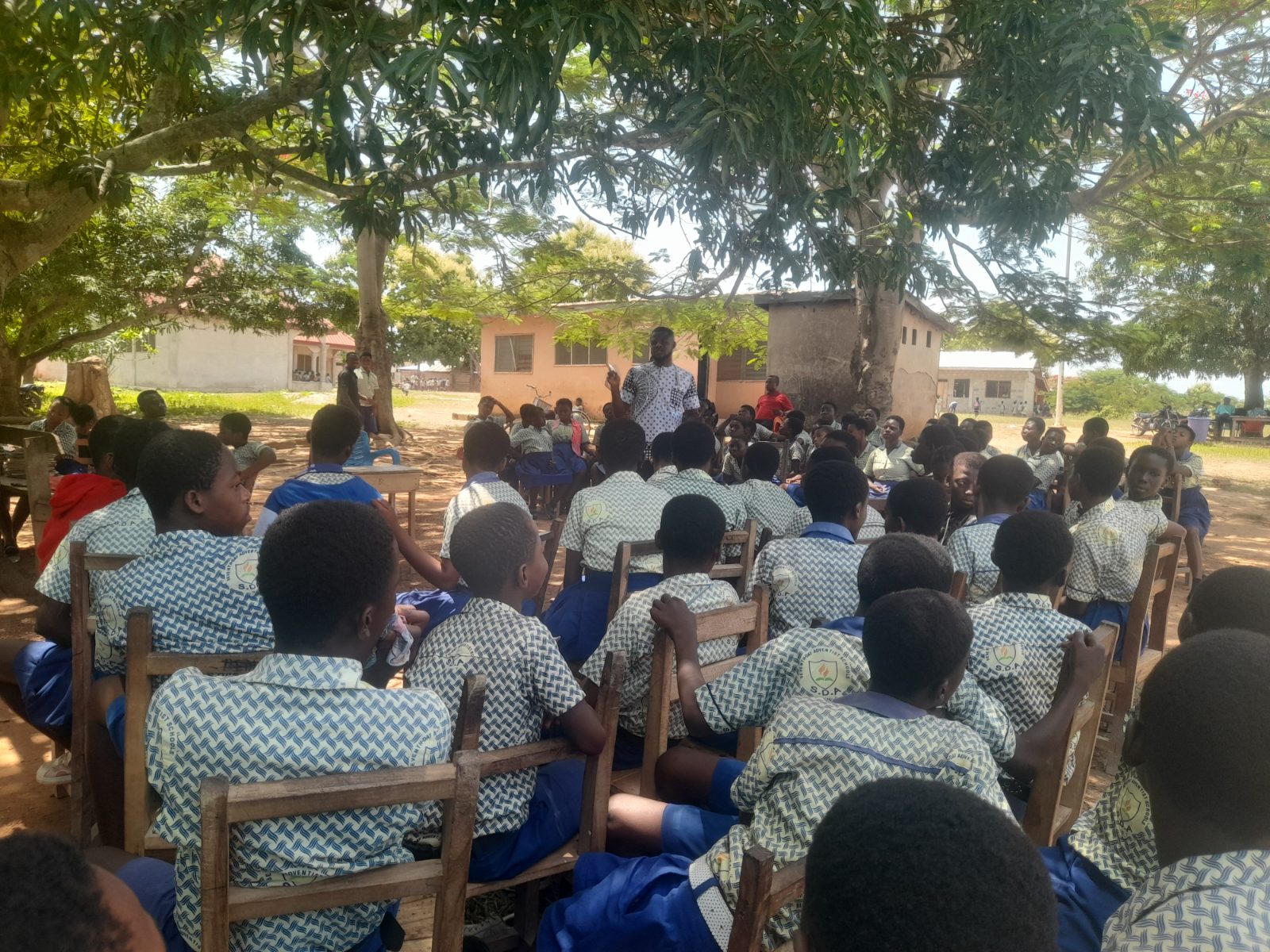
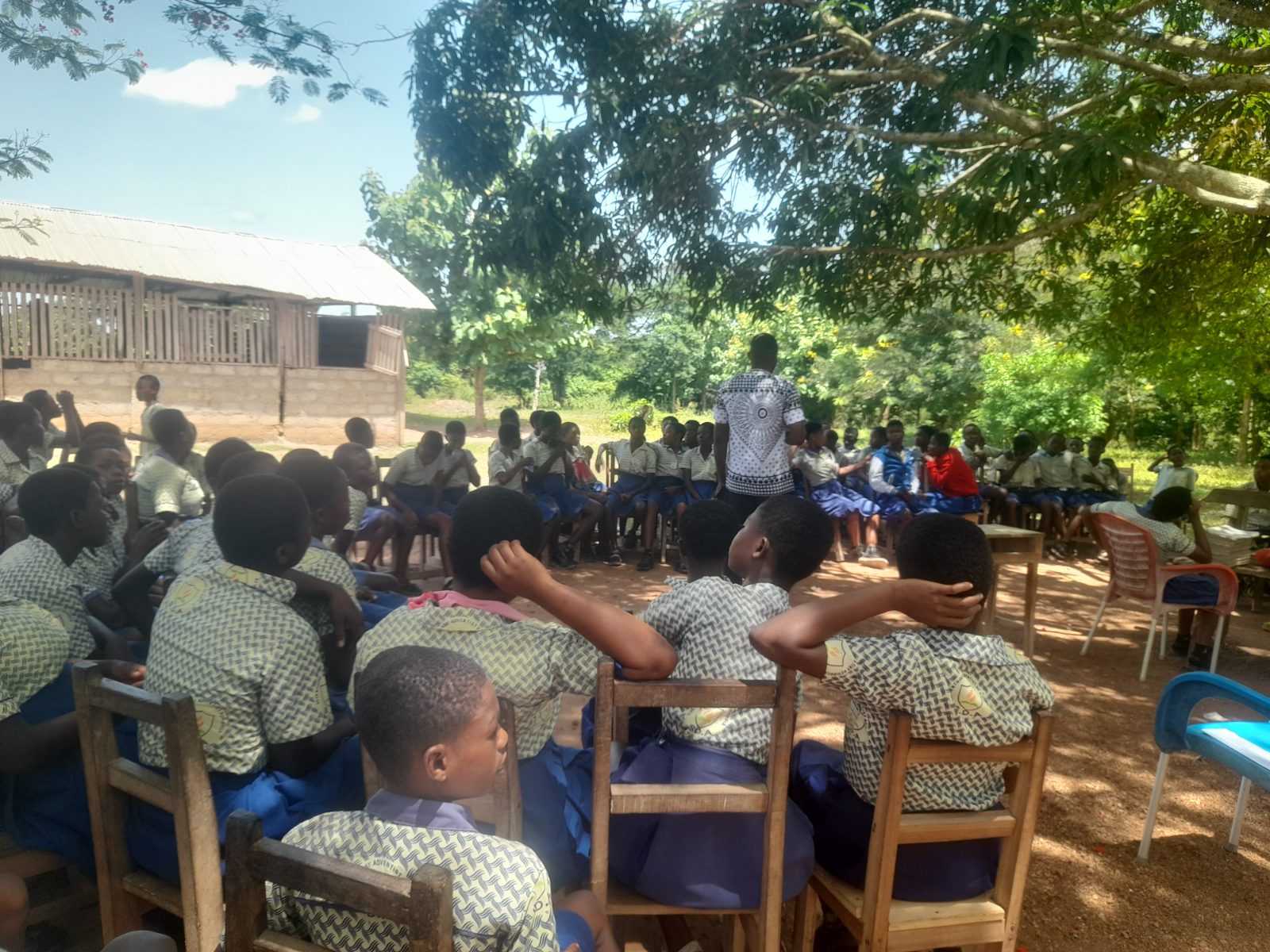
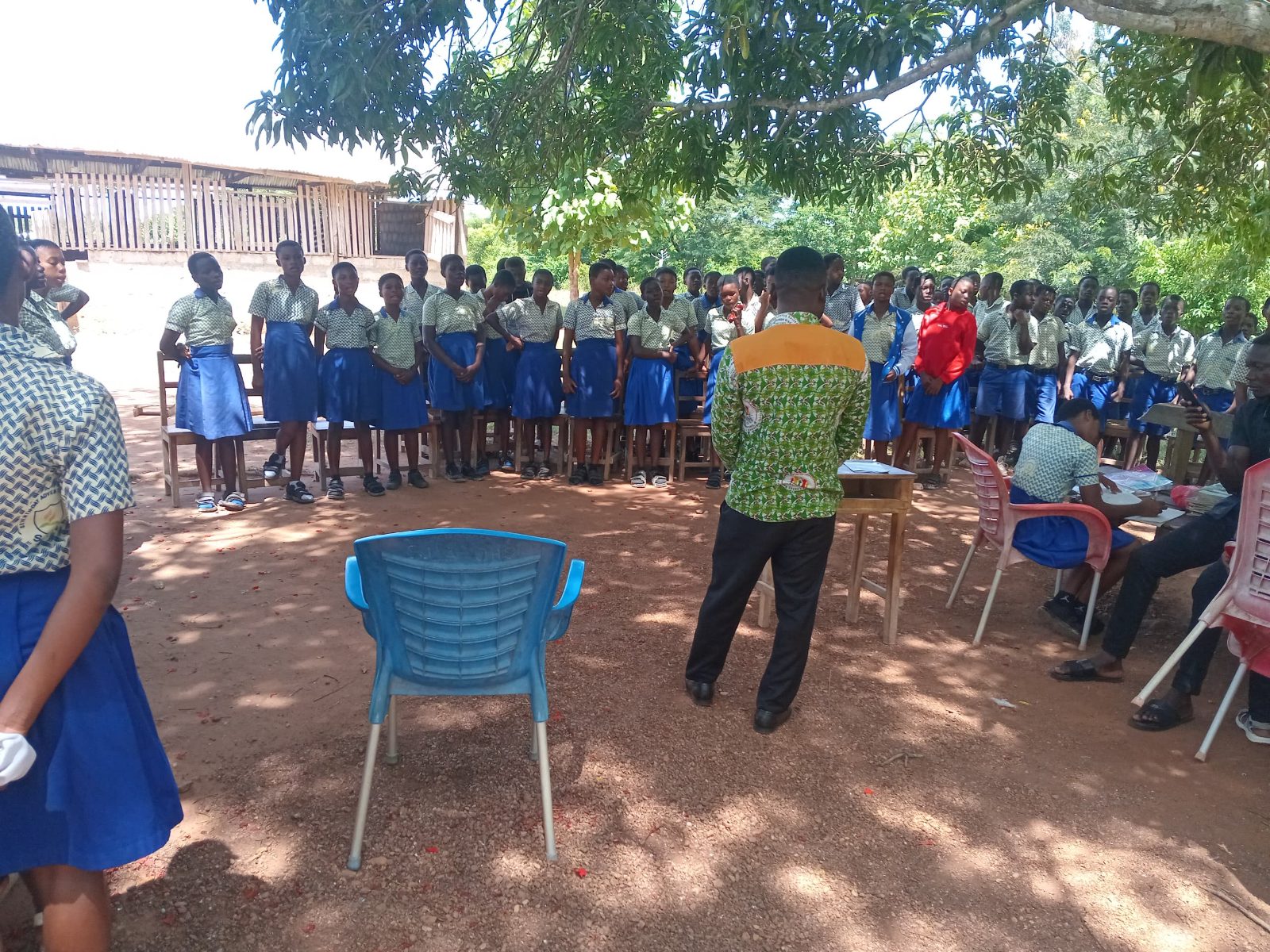
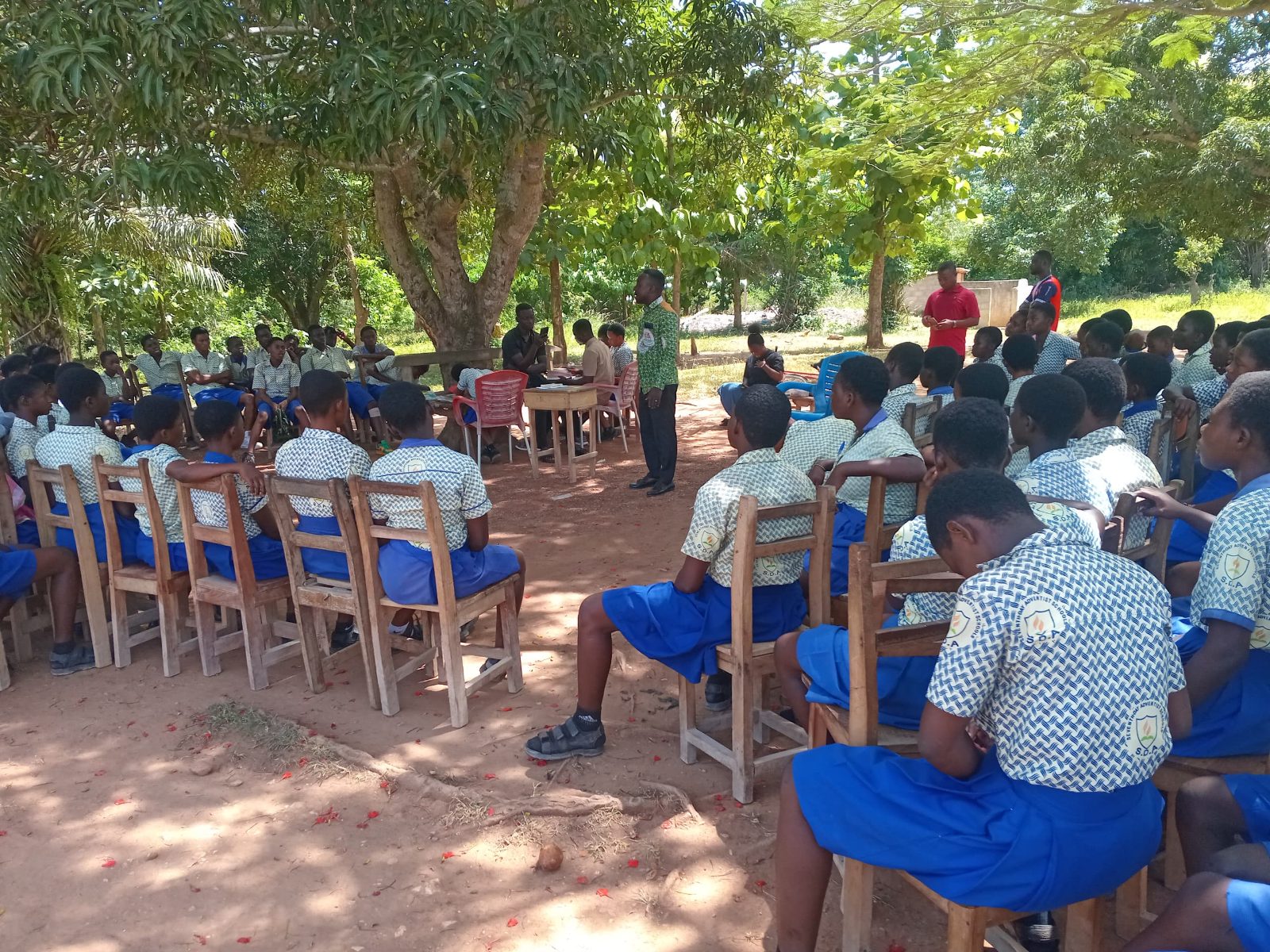
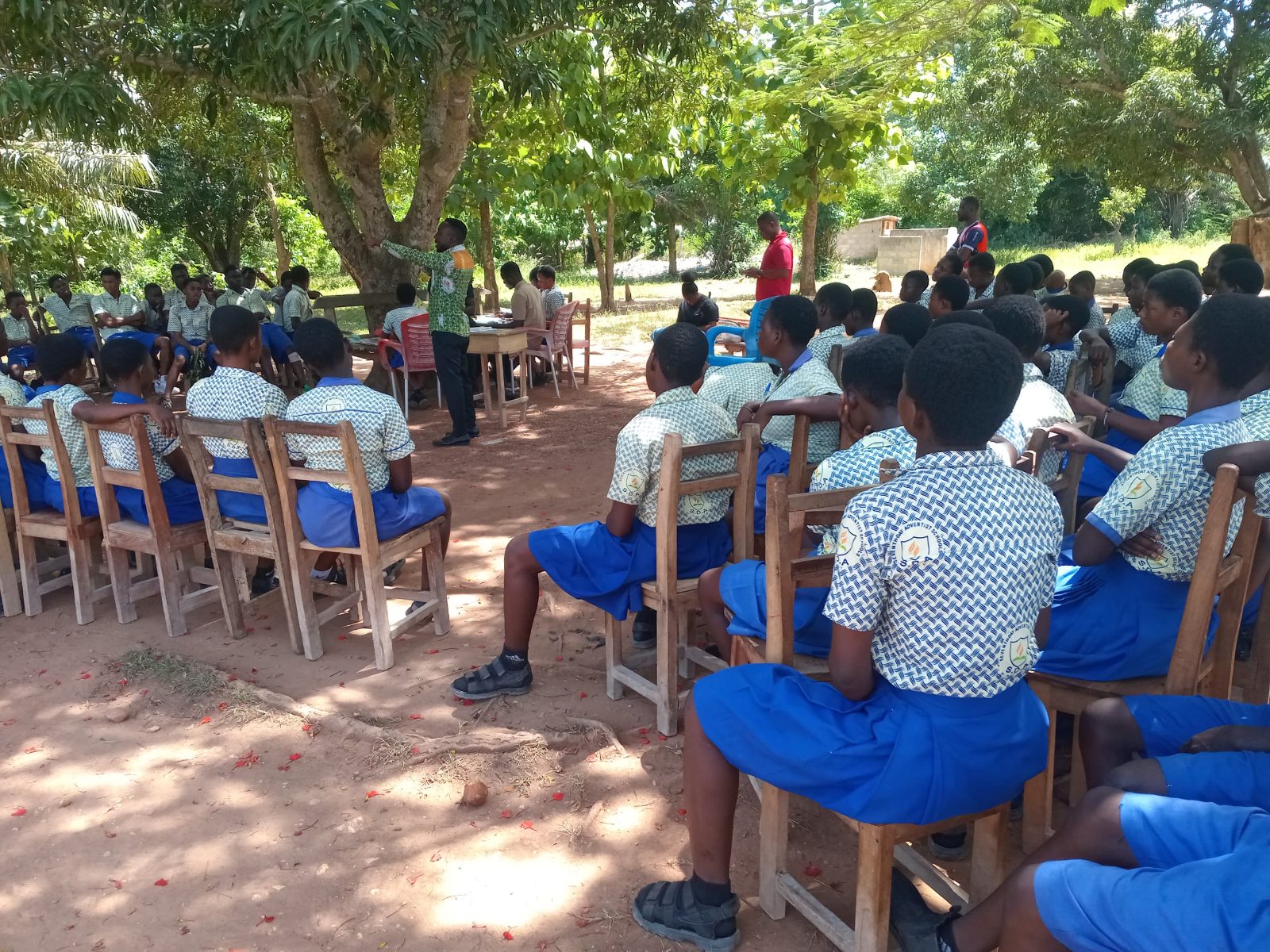
The internet can open doors to learning, creativity, and communication, but it can also expose young people to risks when used carelessly. This message guided an educational engagement organized by the Dormaa East Directorate of the National Commission for Civic Education (NCCE) for students of Seventh-Day Adventist Junior High School at Wamanafo.
Held as part of the Commission’s week-long 2026 Citizenship Week Celebration, the programme focused on the theme “Responsible Digital Behaviour.” It aimed at helping students understand how to use digital technology safely, respectfully, and responsibly in line with the values of good citizenship.
Resource persons from the NCCE sensitized the students on safe online practices, including the need to create strong passwords, avoid suspicious links, and exercise caution when communicating with strangers on digital platforms. They explained that young people must be alert when using the internet because online criminals often take advantage of careless users.
Respectful communication was also highlighted as an important part of digital citizenship. Students were encouraged to respect the views and opinions of others online, even when they disagreed. They were advised to avoid insults, offensive comments, harassment, and any form of conduct that could hurt or humiliate others.
A major part of the discussion focused on misinformation and false content. Facilitators reminded the students that “the internet does not forget” and cautioned them to think carefully before posting, sharing or commenting online. They were encouraged to verify information from trusted sources before forwarding it, since false or misleading content can damage reputations, create fear, and disturb public peace.
Students were further advised to protect their personal information. The resource persons cautioned them against sharing passwords, phone numbers, home addresses, Ghana Card details, financial information or private images online, explaining that such information could be misused by fraudsters and other harmful individuals.
The engagement also addressed internet abuse, cyberbullying, and harmful online behaviour. Students were encouraged to speak up when they experience or witness abuse online. They were advised to report such incidents to parents, teachers, school authorities, platform administrators or the police for the necessary support and action.
Facilitators further cautioned students against taking, keeping or sharing indecent images, stressing that such actions can expose young people to embarrassment, blackmail, abuse and serious consequences. They urged the students to respect their dignity and protect themselves and others in all digital spaces.
In concluding the session, the resource persons emphasized that responsible citizenship extends beyond physical communities to online platforms. They explained that what people do online can have real-life consequences and must therefore be guided by discipline, respect, truthfulness, and responsibility.
The session was interactive, with students participating in discussions, presentations and a question-and-answer segment. By the end of the programme, the students had gained practical knowledge on how to stay safe online, respect others, identify false content, protect personal information and contribute to a positive digital environment.
The Dormaa East Directorate of the NCCE reaffirmed its commitment to educating young people on constitutional values, responsible citizenship and safe digital conduct as part of efforts to nurture informed and disciplined citizens for Ghana’s democratic development.
_
Follow us on our social media pages for more stories and posts from the NCCE.

https://www.instagram.com/nccegh/

https://www.facebook.com/nccegh/
Leave a comment