The fight against corruption cannot be left to institutions alone; it requires a generation of young leaders who are prepared to choose integrity over influence and accountability over abuse of power. This was the central message as the Eastern Regional Directorate of the National Commission for Civic Education (NCCE) engaged young leaders on the Rule of Law and the Fight Against Corruption.
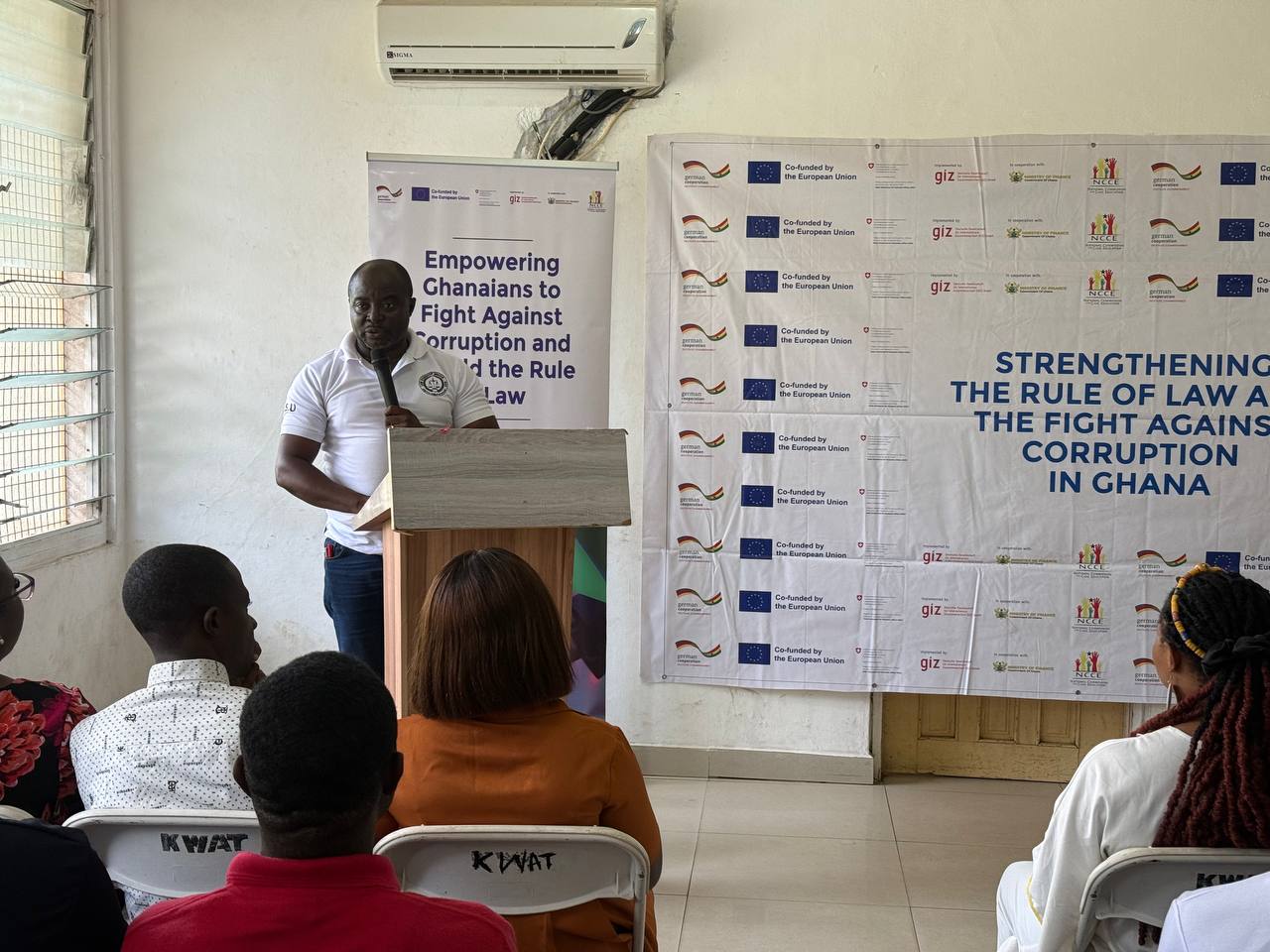
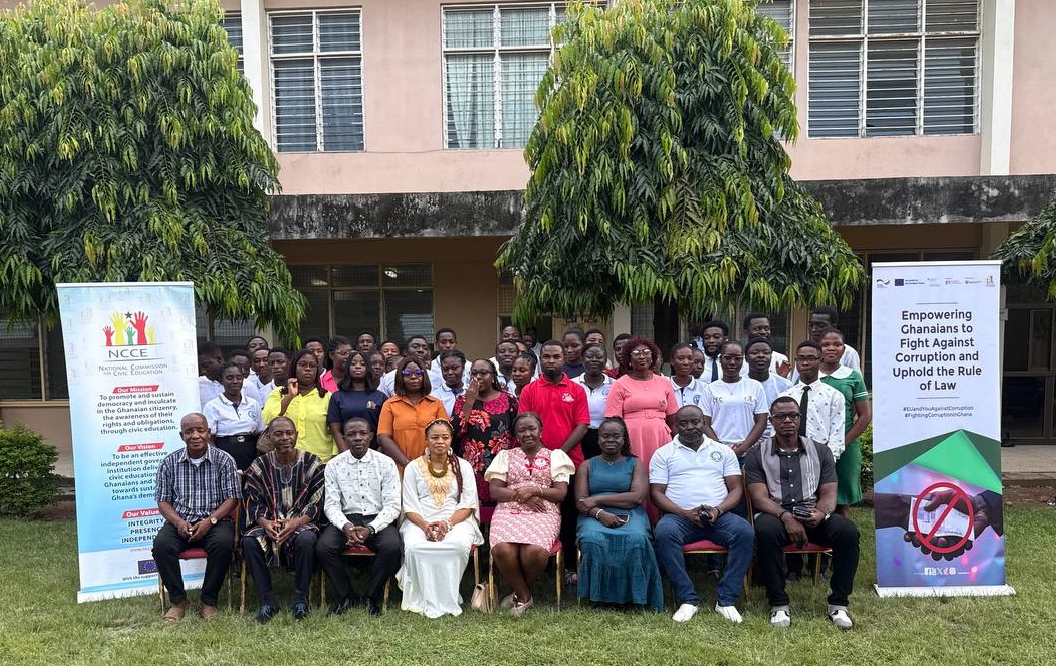
The Youth Leaders’ Empowerment Dialogue, held at the Koforidua Centre for National Culture Auditorium, formed part of the NCCE’s Participation, Accountability and Integrity for a Resilient Democracy (PAIReD) Programme. The engagement sought to deepen young people’s understanding of the rule of law, ethical leadership, transparency, accountability and anti-corruption principles, while creating space for critical reflection and collective action.
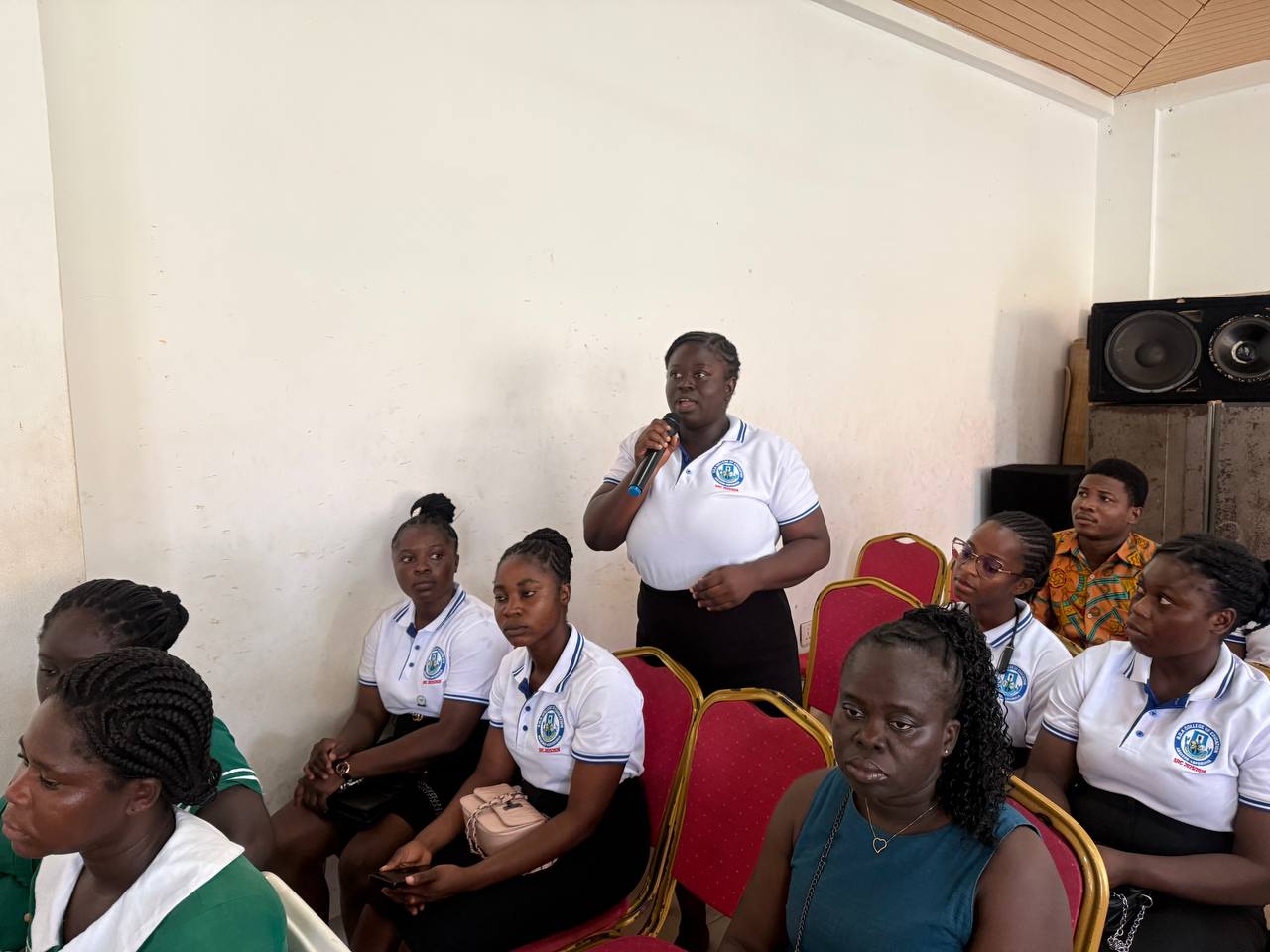
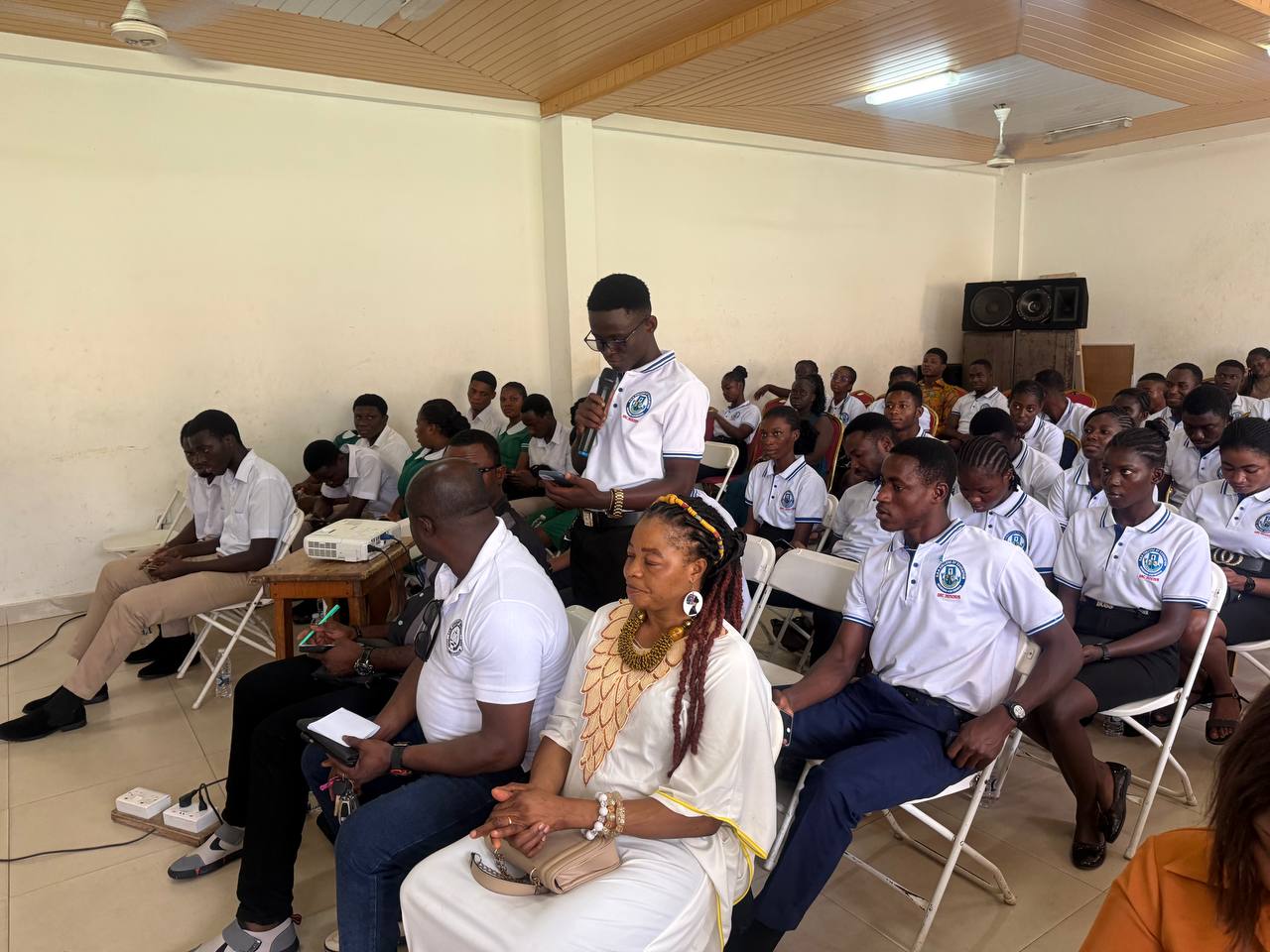
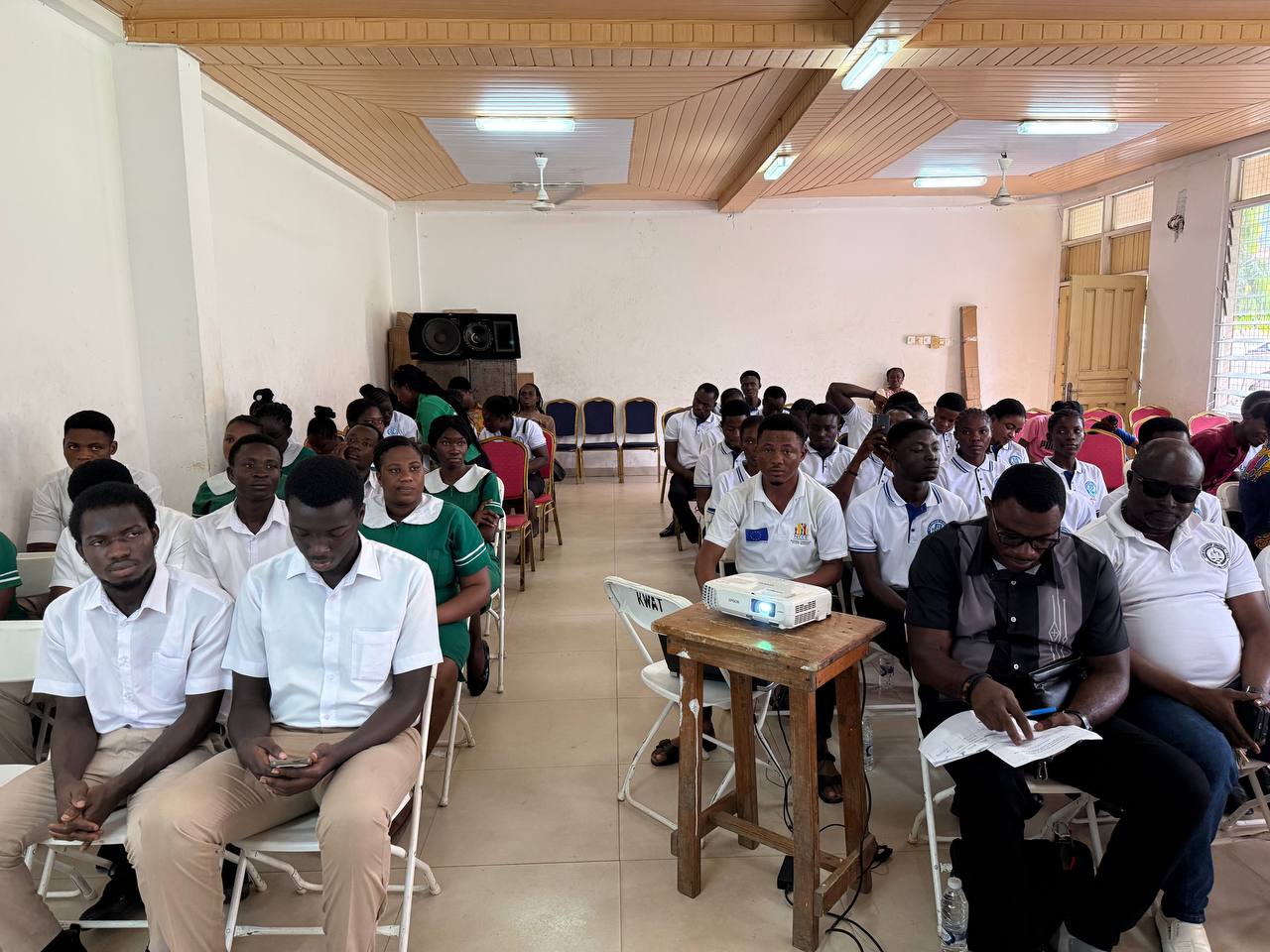
The dialogue brought together Civic Education Club members and Student Representative Council (SRC) executives from All Nations University, SDA College of Education and Koforidua Nurses and Midwifery Training College.
Among the dignitaries present were A.S.P. Augustine Asante Kusi, Eastern Regional Crime Officer of the Ghana Police Service; Inspector Justice Abban; Dr. Dorcas Alhassan, Eastern Regional Director of the Centre for National Culture; Mr. Augustine Bosrotsi, NCCE Eastern Regional Deputy Director; members of the Graduate Students Association of Ghana (GRASAG) and representatives of the media.
To extend the conversation beyond the auditorium and reach a wider audience across the region, the engagement received media coverage from Lawson TV and the Ghana News Agency (GNA).
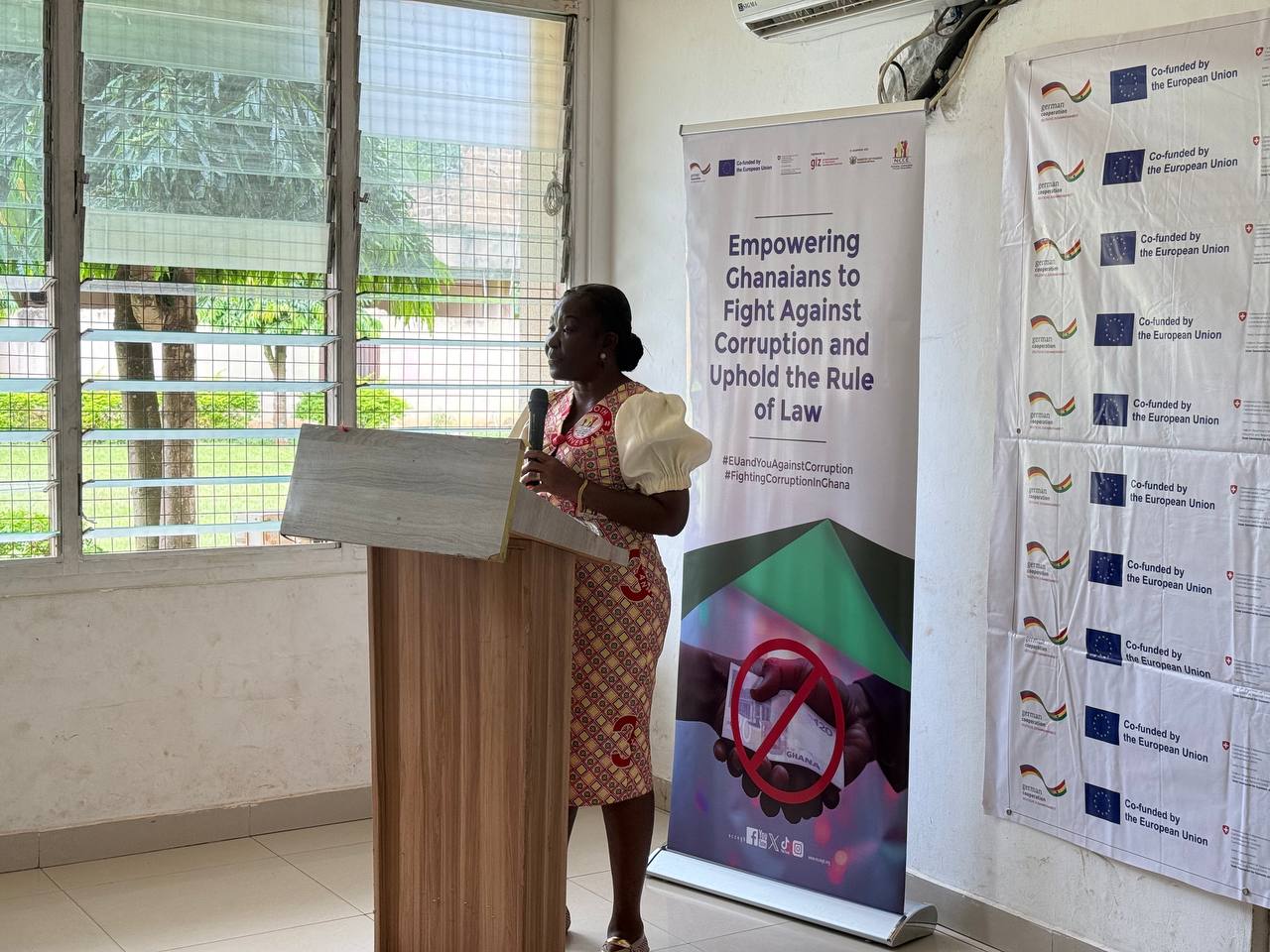
In her welcome remarks, Madam Ophelia, Eastern Regional Director of the NCCE, underscored the importance of ethical leadership, transparency, accountability, and respect for the rule of law in strengthening democratic governance and sustaining public confidence in state institutions.
She challenged the young leaders to lead by example, reminding them that the decisions they make, values they uphold and attitudes they demonstrate on their campuses and within their communities will ultimately influence the character of future public institutions.
Madam Ophelia also expressed appreciation to the German Federal Ministry for Economic Cooperation and Development (BMZ), the European Union and the Swiss State Secretariat for Economic Affairs (SECO) for their partnership and financial support towards the programme.
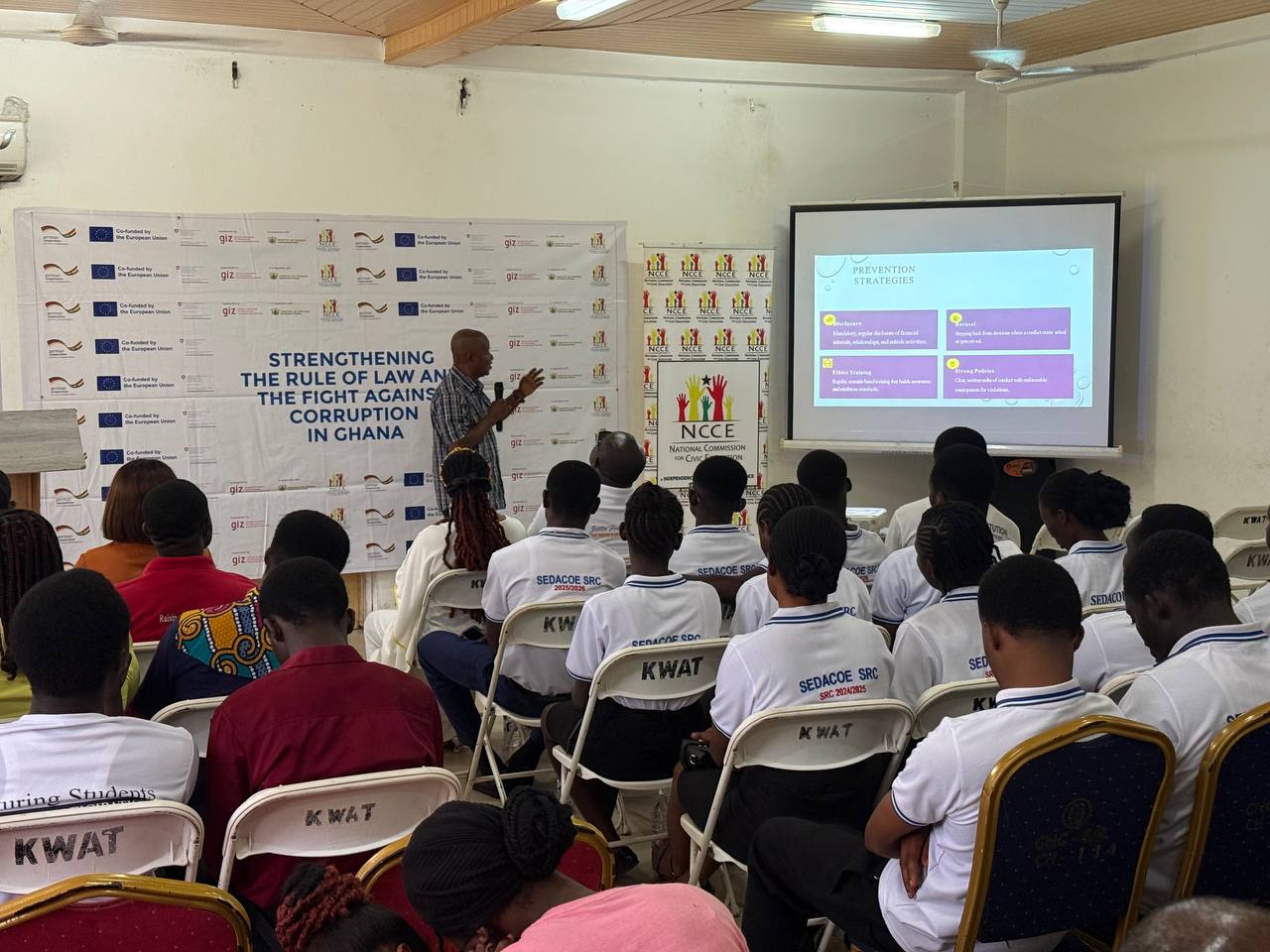
The dialogue subsequently delved into some of the issues that can undermine good governance, including conflict of interest, influence peddling, abuse of office and disregard for the rule of law.
Mr. Augustine Bosrotsi, NCCE Eastern Regional Deputy Director, and A.S.P. Augustine Asante Kusi, Eastern Regional Crime Officer of the Ghana Police Service, facilitated insightful discussions on these issues and examined the role of youth leadership as a catalyst for good governance.
The facilitators emphasised that young people are not merely future leaders but important actors in strengthening accountability, civic responsibility, integrity and democratic governance today. Participants were therefore encouraged to demonstrate these values in their schools, workplaces and communities.
The discussion on influence peddling and abuse of office further challenged participants to recognize how unethical practices can weaken institutions and erode public trust. They were urged to reject practices that compromise fairness and accountability and instead promote a culture in which integrity is valued over personal gain or connections.
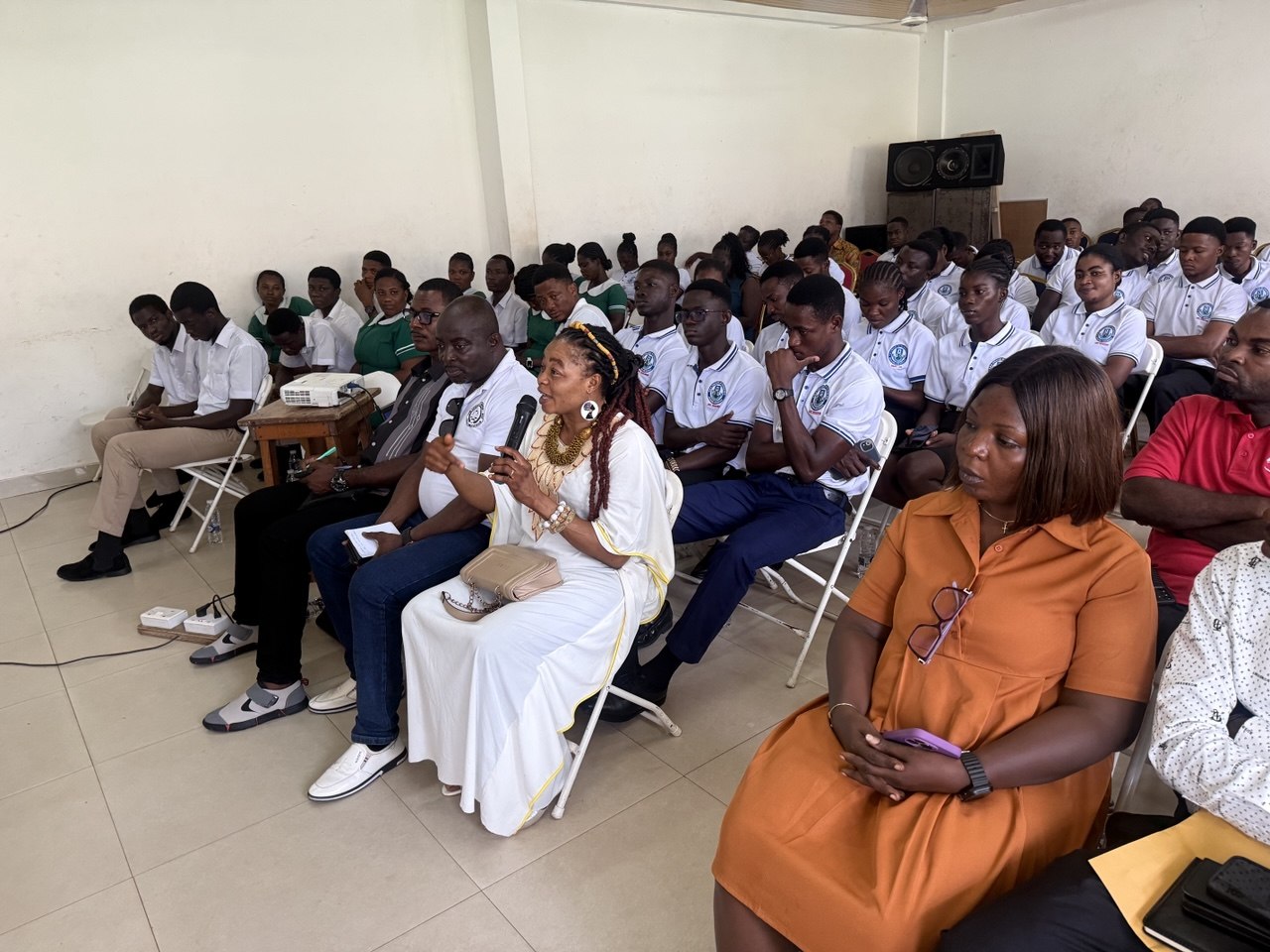
The dialogue was highly interactive, with participants sharing personal experiences, asking questions, and offering practical ideas on how young leaders can discourage corrupt practices within their institutions and communities.
The session concluded with participants affirming their commitment to becoming ambassadors of integrity and the rule of law, pledging to promote honesty, accountability and responsible leadership within their respective spheres of influence.
The engagement reinforced a powerful message: the fight against corruption begins with the choices individuals make, and young people have both the responsibility and the opportunity to shape a culture of integrity for Ghana’s democratic future.
_
Follow us on our social media pages for more stories and posts from the NCCE.

https://www.instagram.com/nccegh/

https://www.facebook.com/nccegh/
https://www.youtube.com/channel/UCwajFJmmlmzRf1OMM.
Leave a comment