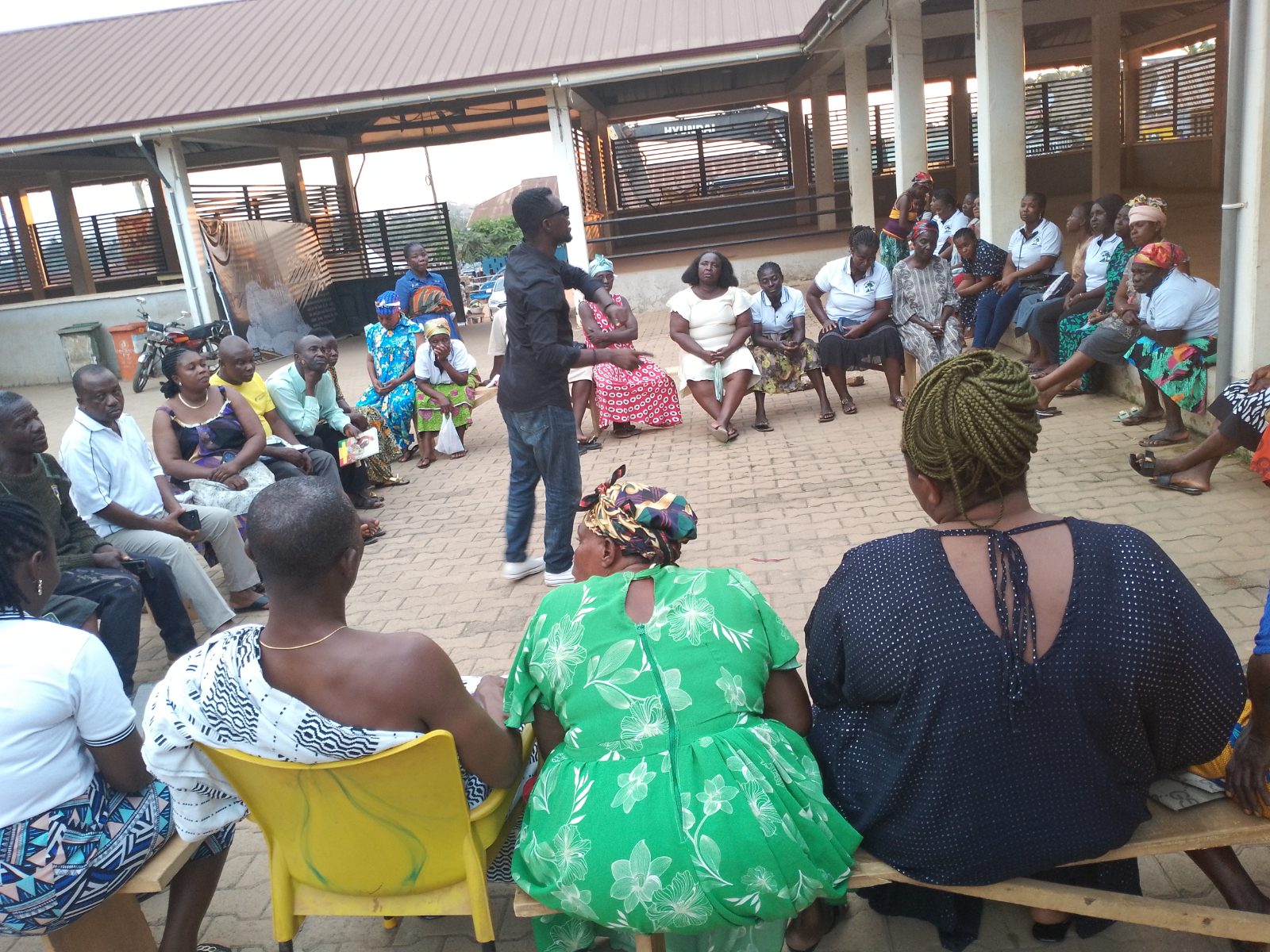
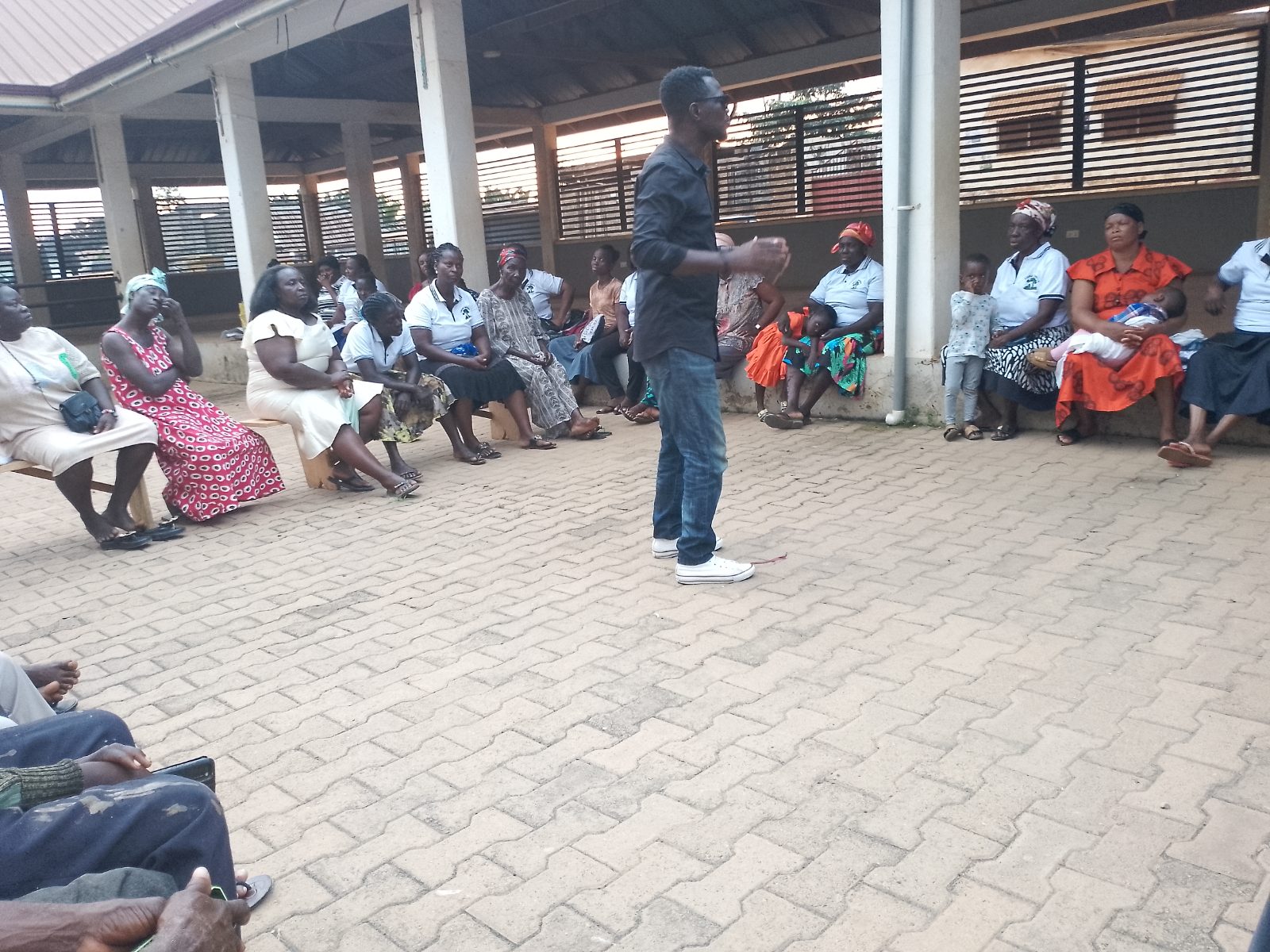
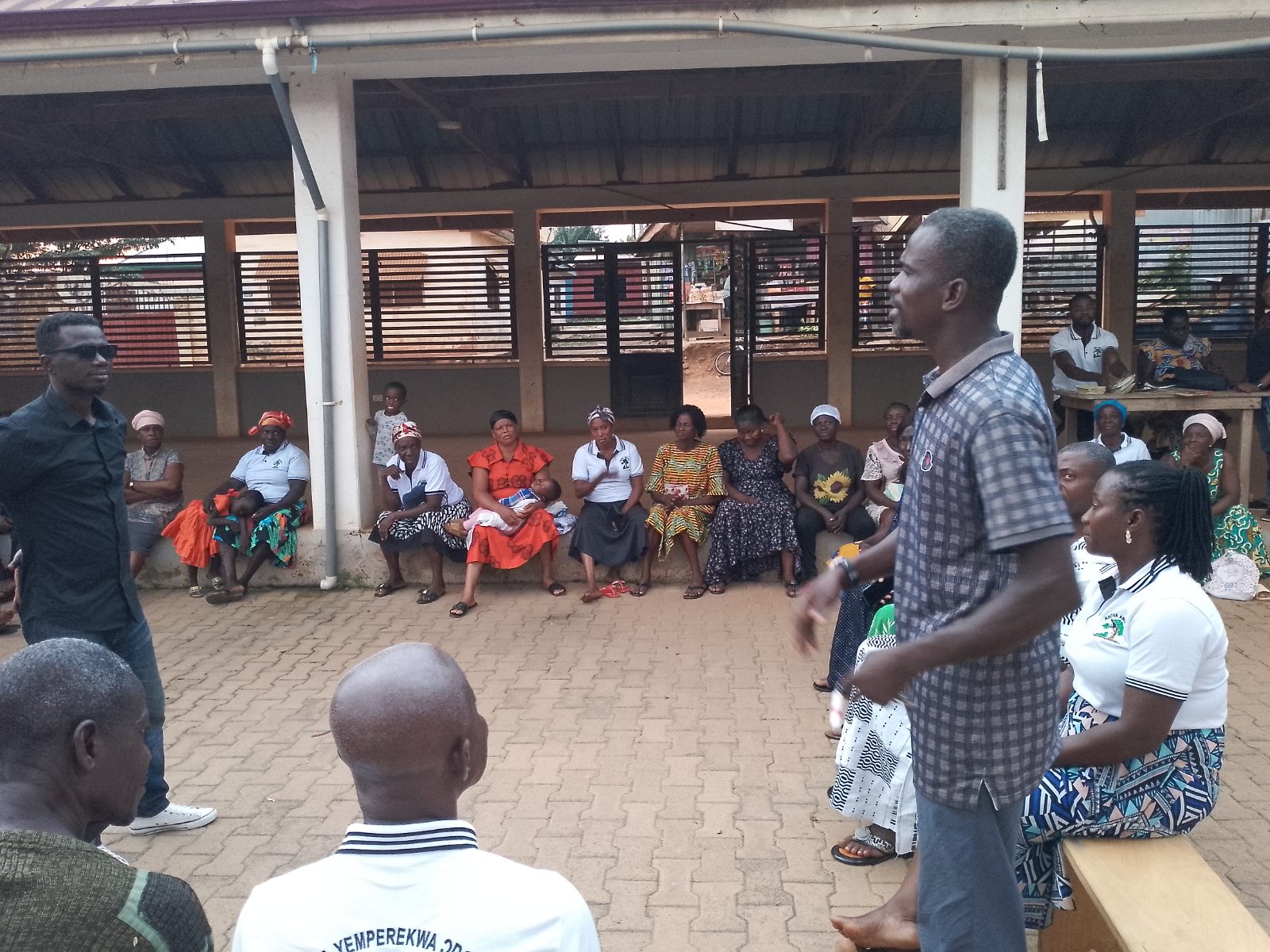
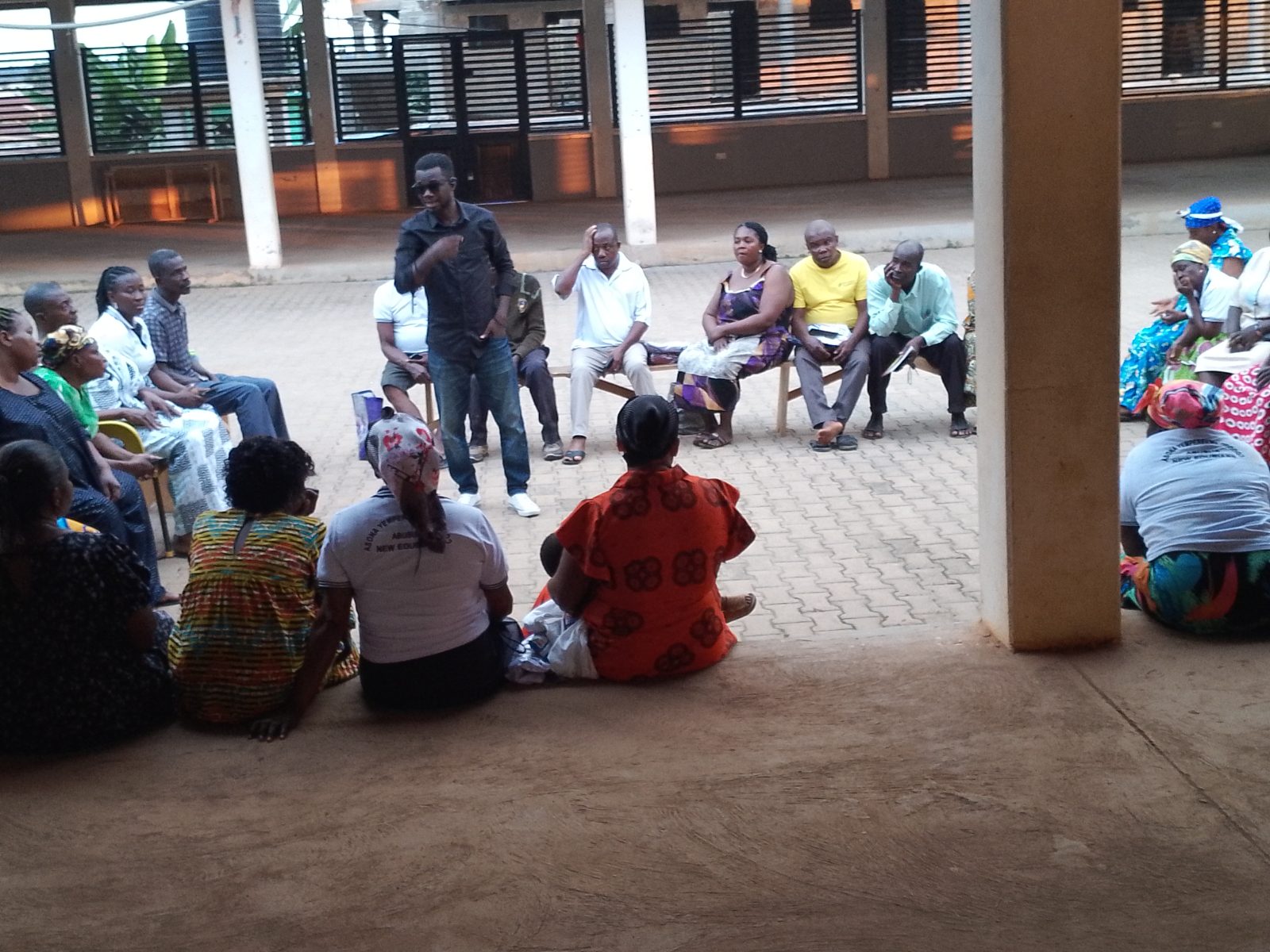
In a demonstration of traditional leadership and civic consciousness, the Asona Family Association of New Edubiase has partnered with the National Commission for Civic Education (NCCE) to educate its members on the dangers of domestic violence and the legal remedies available to victims.
The forum, held at the New Edubiase Community Centre, marked a significant step in efforts to break the silence surrounding domestic abuse and promote greater awareness of citizens’ rights under Ghanaian law.
Addressing members of the Association, the Adansi South District Director of the NCCE, Charles Gyimah, commended leadership of the Asona Family Association for taking the initiative to invite the Commission to engage its members on an issue of national concern.
According to him, the involvement of traditional and family institutions in civic education efforts is crucial to addressing harmful cultural practices and reducing the prevalence of domestic violence within communities. “When traditional authorities and family groups take the lead in educating their members, the fight against deeply-rooted social challenges such as domestic violence becomes more effective,” he noted.
Mr Gyimah provided participants with a detailed overview of the Domestic Violence Act, 2007 (Act 732), explaining the various forms of abuse, including physical abuse, psychological abuse, emotional abuse, economic abuse, and sexual abuse, recognised and punishable under Ghanaian law.
He stressed that domestic violence transcends physical assault and can manifest in several ways that undermine the dignity, wellbeing, and rights of victims.
To equip participants with practical knowledge, the facilitator outlined the institutional channels available for reporting cases of abuse and obtaining protection and support.
He encouraged victims and witnesses to seek assistance from relevant state institutions, including the Domestic Violence and Victim Support Unit (DOVVSU) of the Ghana Police Service, the Commission on Human Rights and Administrative Justice (CHRAJ) and the Department of Social Welfare, particularly in matters involving child protection and family disputes.
Participants were advised against concealing incidents of abuse, while they were urged to report them promptly through the appropriate channels to ensure justice and protection for victims.
_
Follow us on our social media pages for more stories and posts from the NCCE.

https://www.instagram.com/nccegh/

https://www.facebook.com/nccegh/
https://www.youtube.com/channel/UCwajFJmmlmzRf1OMM.
Leave a comment