In an innovative effort to promote environmental sustainability and creativity among young people, the Centre for National Culture (CNC), in collaboration with the National Commission for Civic Education (NCCE), and with support from the Fanteakwa North District Assembly (FNDA) and Acrylix Ghana, engaged pupils, students, and teachers in a practical environmental education programme focused on plastic waste management and recycling.
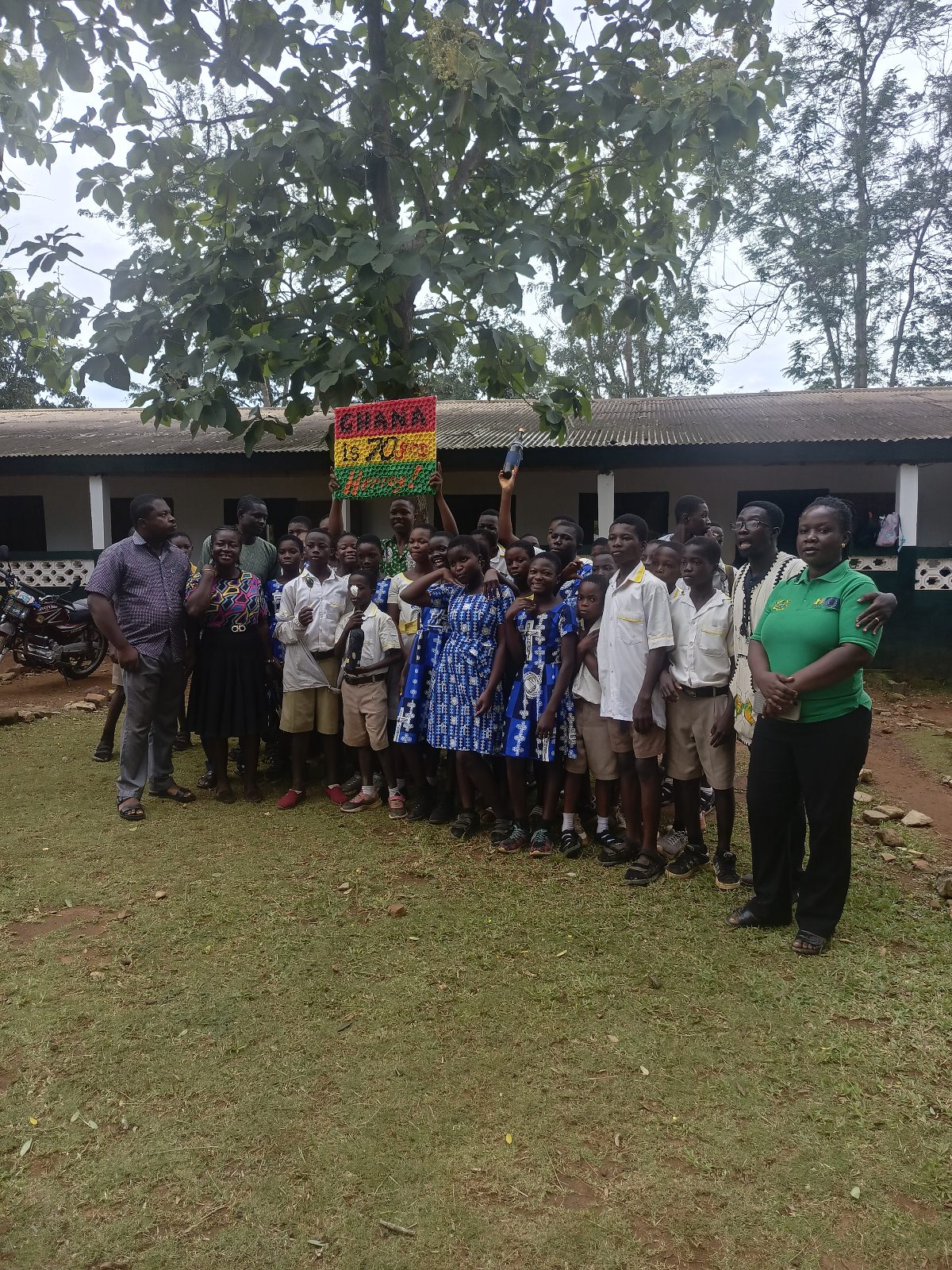
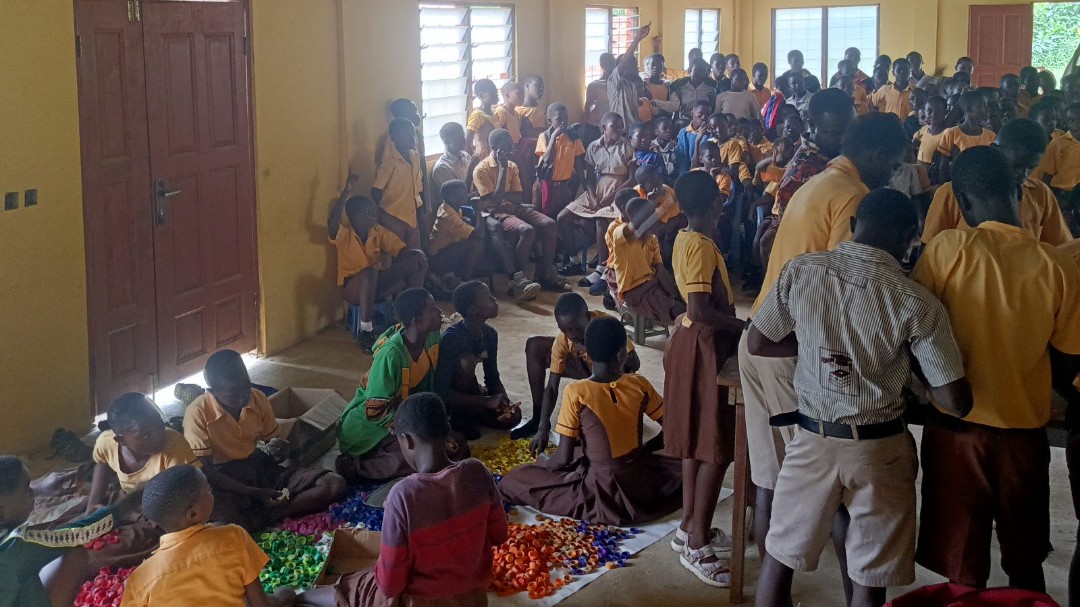
The initiative, which took place during the last week of May 2026, brought together learners and teachers from St. Theresa Roman Catholic Basic School, Salvation Army Basic School, and Church of Christ D/A Basic School in the Fanteakwa North District. The programme sought to educate participants on the harmful effects of pollution, particularly plastic waste, while equipping them with creative skills to transform waste materials into useful artworks.
Leading the engagement were Ms. Cynthia Essel, District Director of the National Commission for Civic Education (NCCE), and Mr. George Asumadu, District Director of the Centre for National Culture (CNC), who guided participants through a series of educational and practical activities designed to promote environmental responsibility and artistic innovation.
The participants, comprising upper primary pupils, junior high school students, and their Creative Arts teachers, were educated on the growing challenge of plastic pollution and its impact on human health, wildlife, water bodies, and the environment. They were encouraged to adopt environmentally responsible practices, including proper waste disposal, recycling, and reusing materials that would otherwise contribute to environmental degradation.
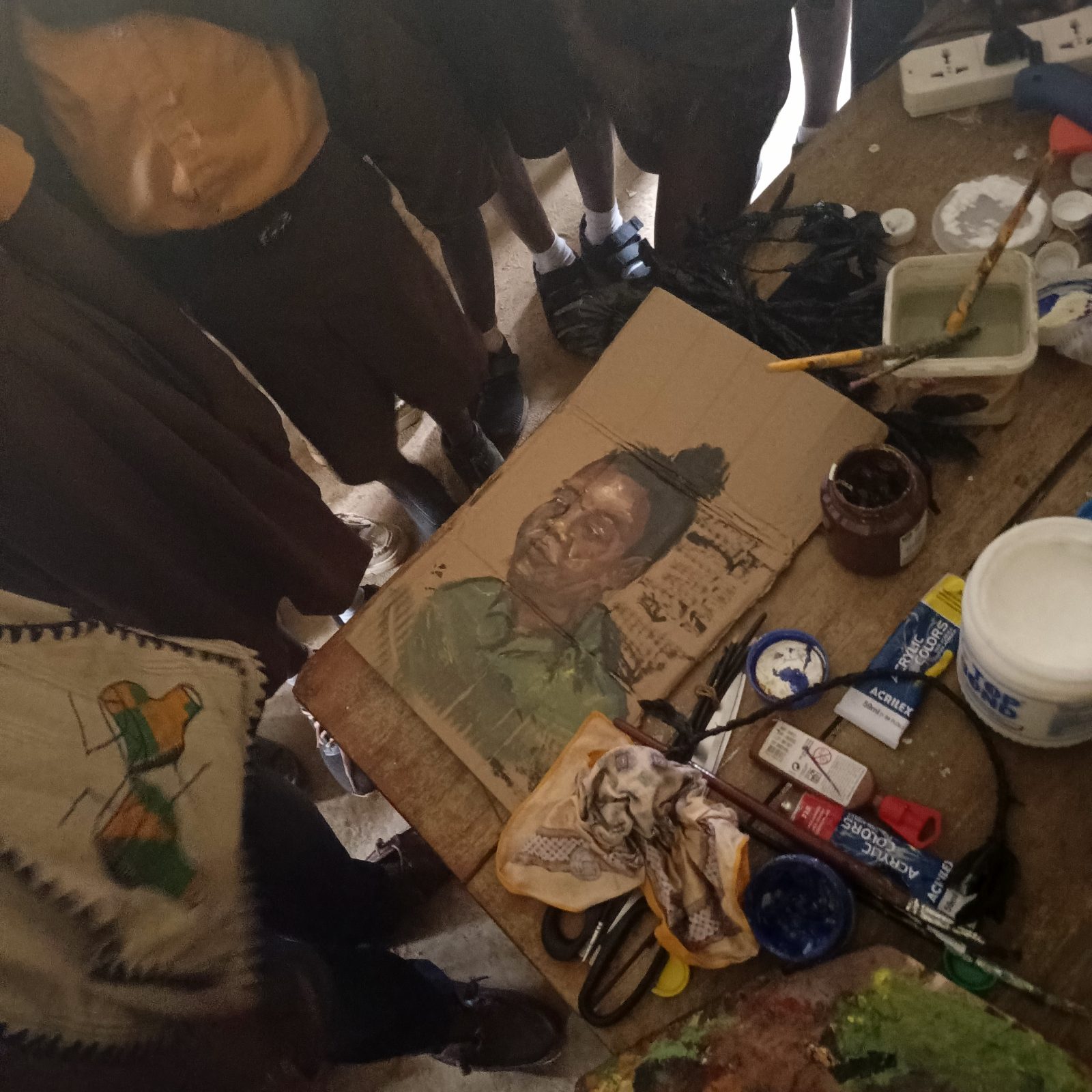
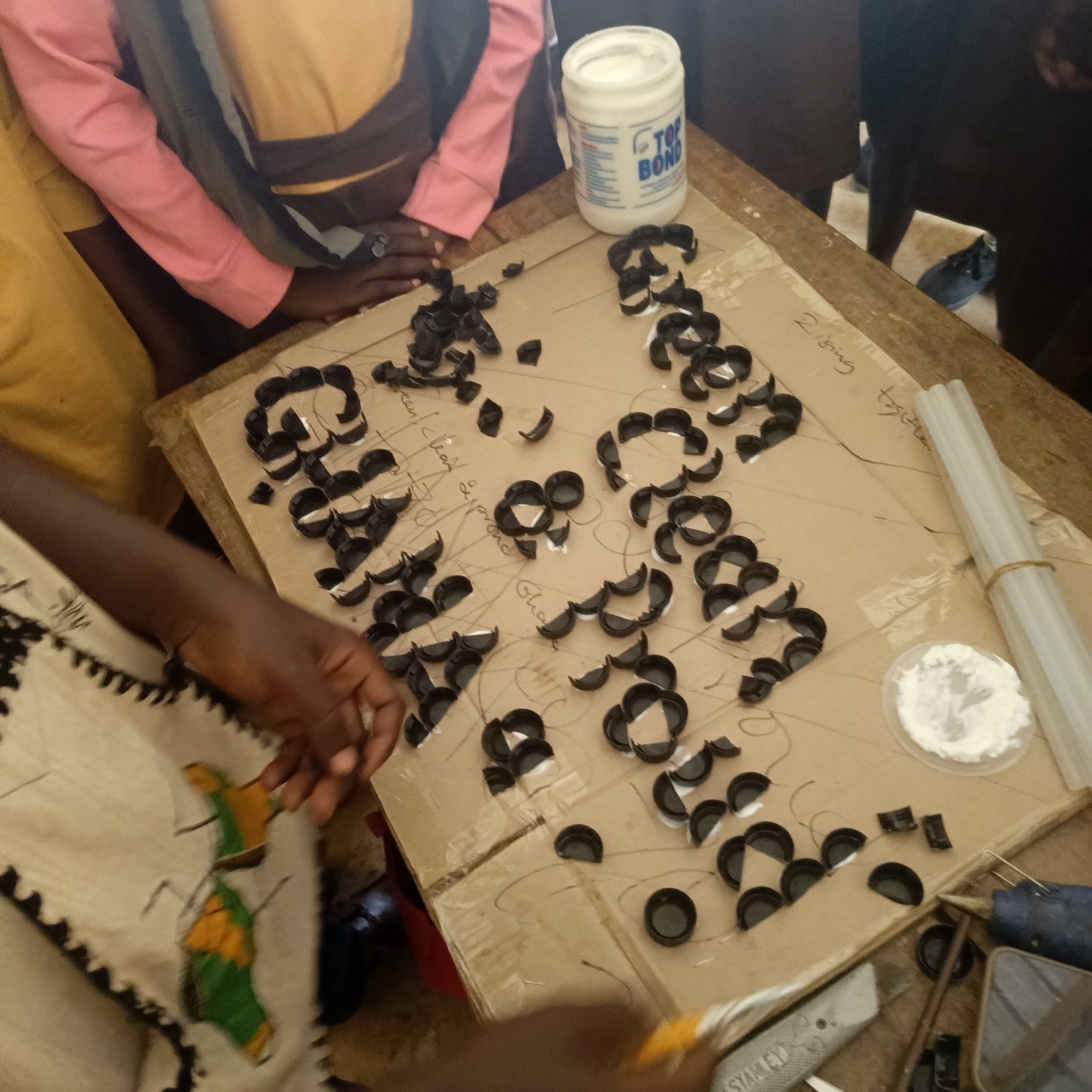
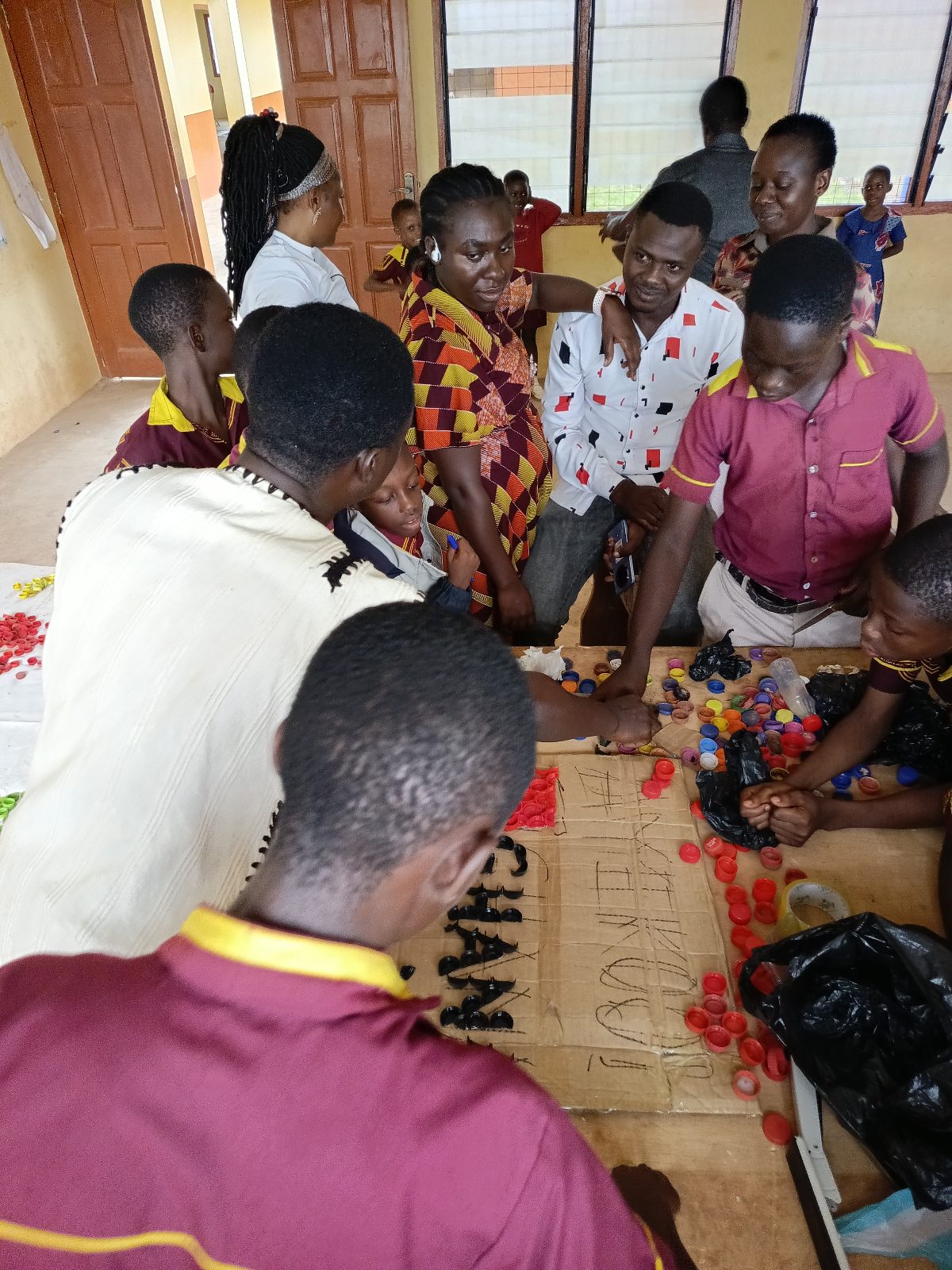
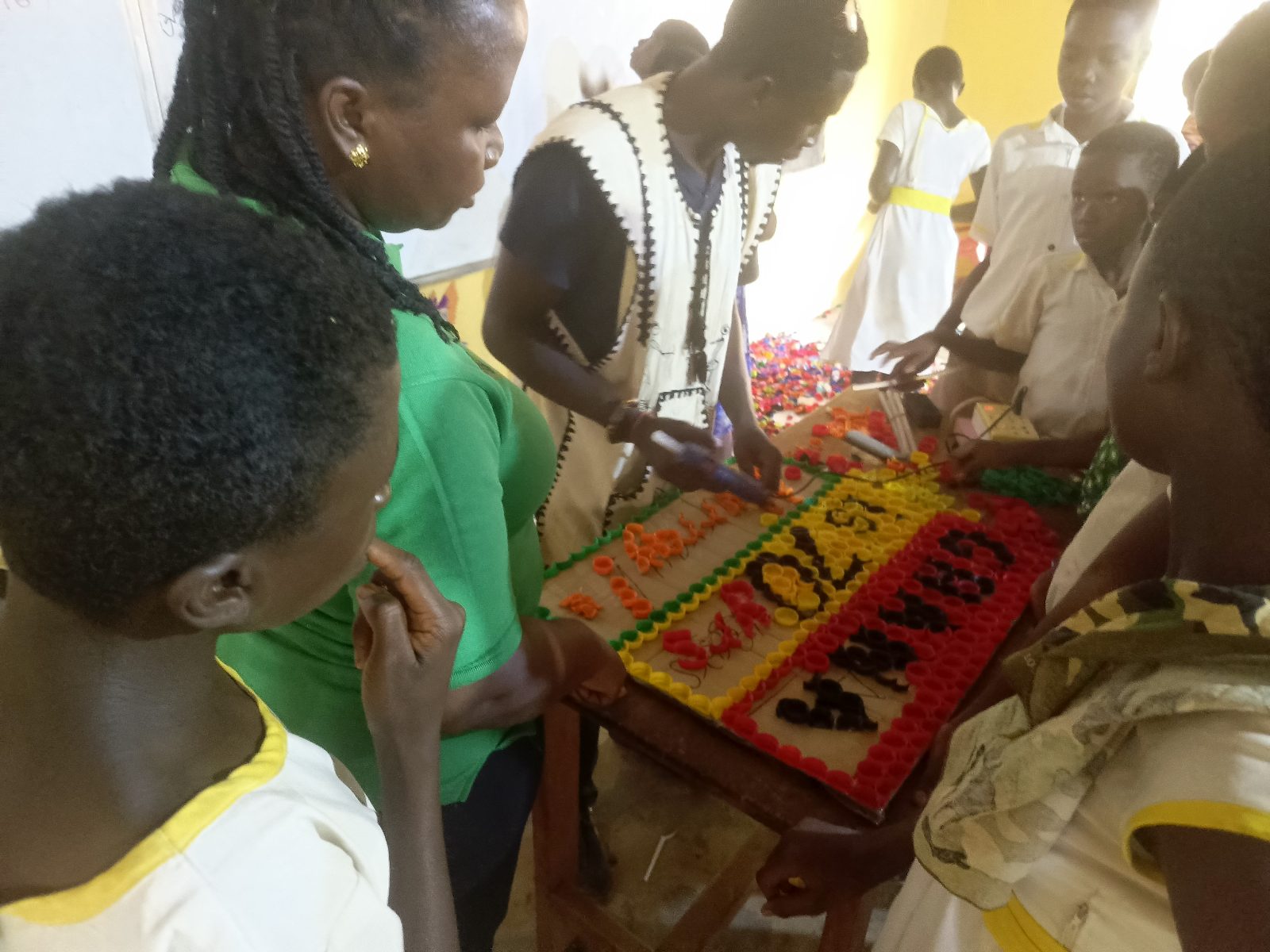
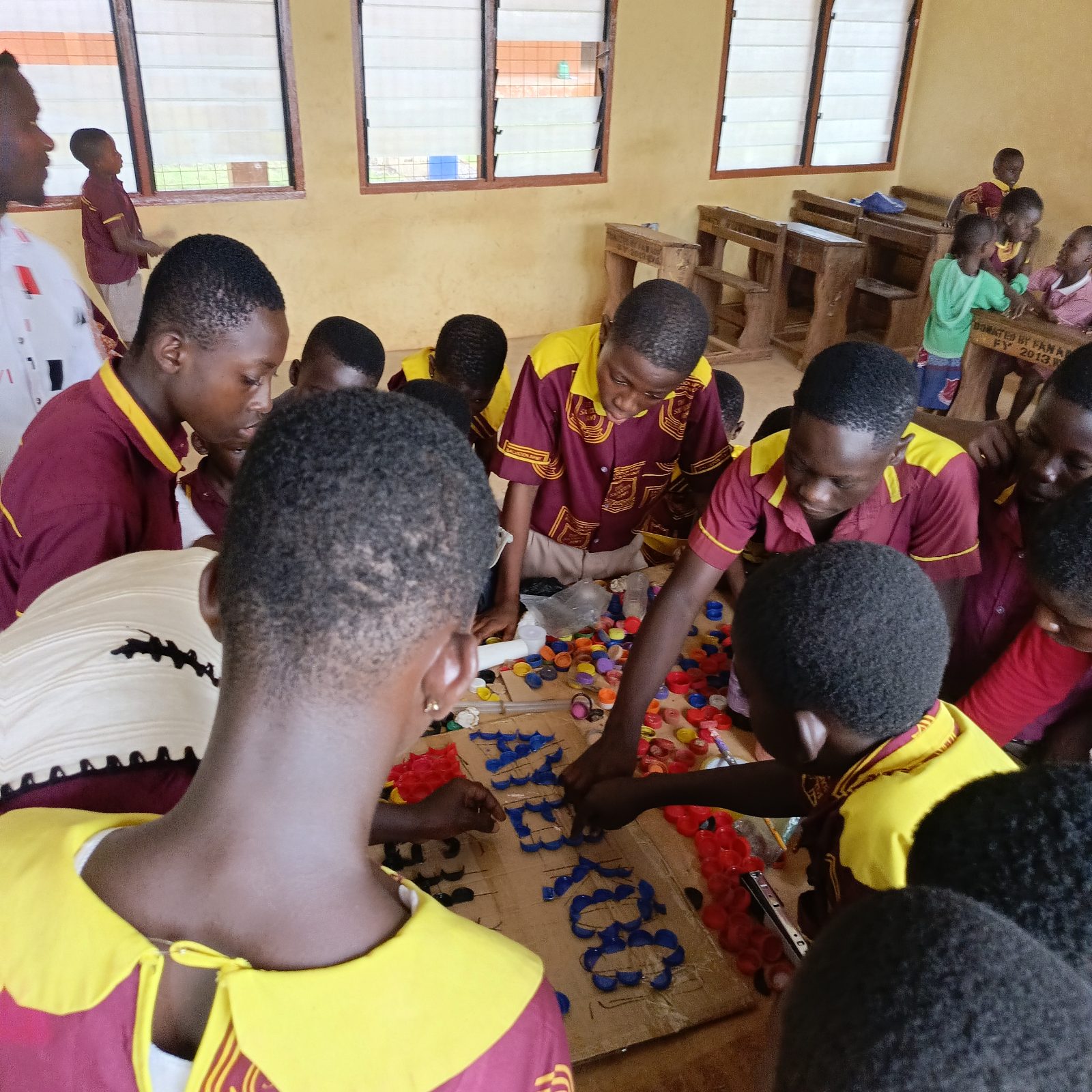
Moving beyond theory, the programme provided learners with a hands-on opportunity to apply the principles of recycling through creative art. Participants collected and cleaned discarded plastic materials, sorted them according to colour, cut them into appropriate shapes, and carefully glued them onto cardboard to create artistic designs and decorative pieces.
The practical exercise enabled the students to transform waste materials into meaningful works of art, demonstrating that discarded plastics can be repurposed into valuable and functional products. Through their creativity and teamwork, the learners successfully turned what is often regarded as waste into impressive masterpieces.
The facilitators emphasized that recycling and creative reuse of waste materials not only help reduce environmental pollution but also create opportunities for innovation, entrepreneurship, and sustainable development. Participants were encouraged to continue exploring creative ways of reusing plastic and other waste materials to produce environmentally friendly artworks and useful items.
The programme also served as a platform for nurturing artistic talent and fostering environmental consciousness among young people. Learners were inspired to become ambassadors for environmental protection by promoting proper waste management practices within their schools, homes, and communities.
At the end of the engagement, participants were encouraged to produce additional artworks for exhibition, providing them with an opportunity to showcase their creativity while raising awareness about the importance of environmental conservation and responsible waste management.
The initiative successfully combined environmental education with practical artistic expression, empowering learners to appreciate the value of recycling and demonstrating that collective action can contribute significantly to reducing plastic pollution and protecting the environment.
_
Follow us on our social media pages for more stories and posts from the NCCE.

https://www.instagram.com/nccegh/

https://www.facebook.com/nccegh/
Leave a comment