As Ghana continues to embrace the opportunities of the digital age, the Upper East Regional Office of the National Commission for Civic Education (NCCE) has engaged pupils of St. Anthony of Padua International School in Bolgatanga on responsible digital citizenship as part of the 2026 Citizenship Week Celebration.
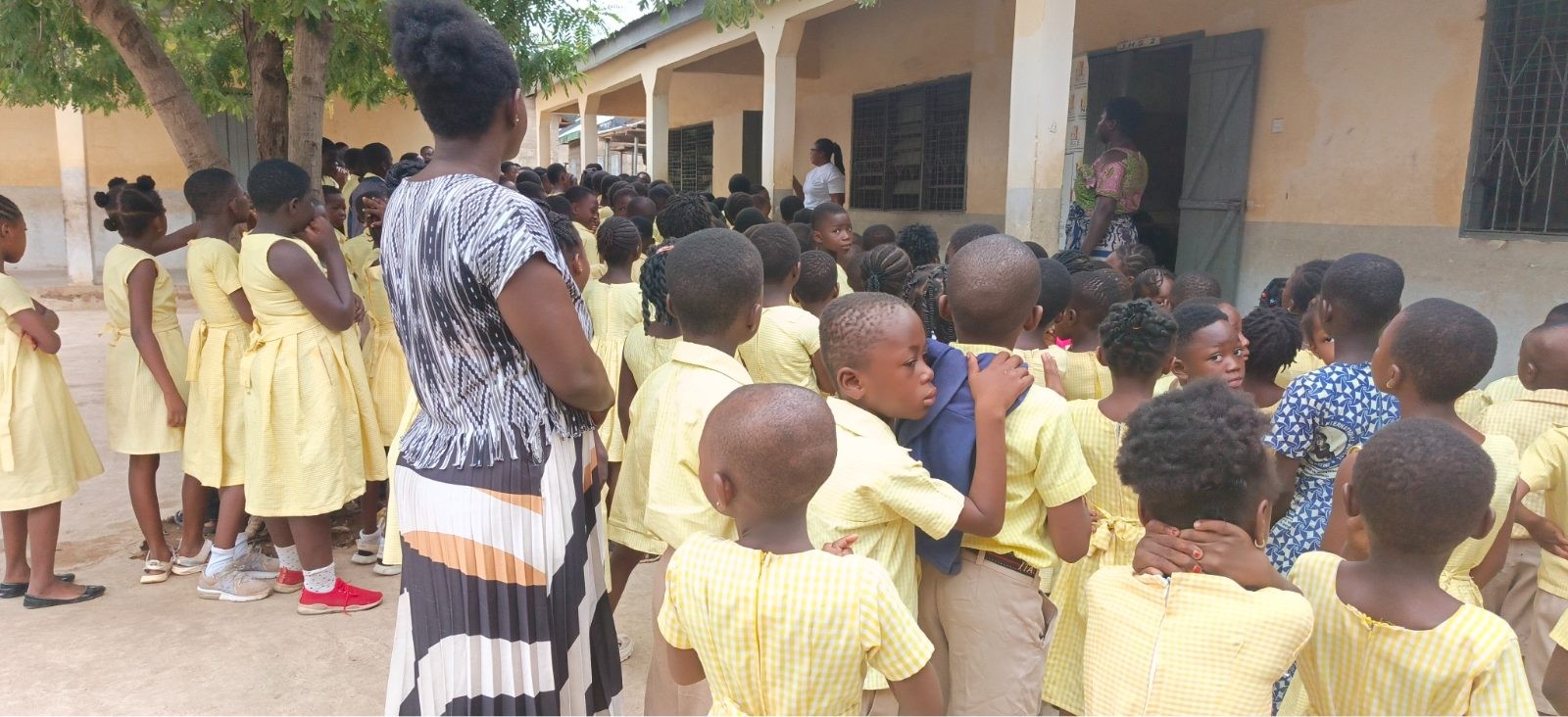
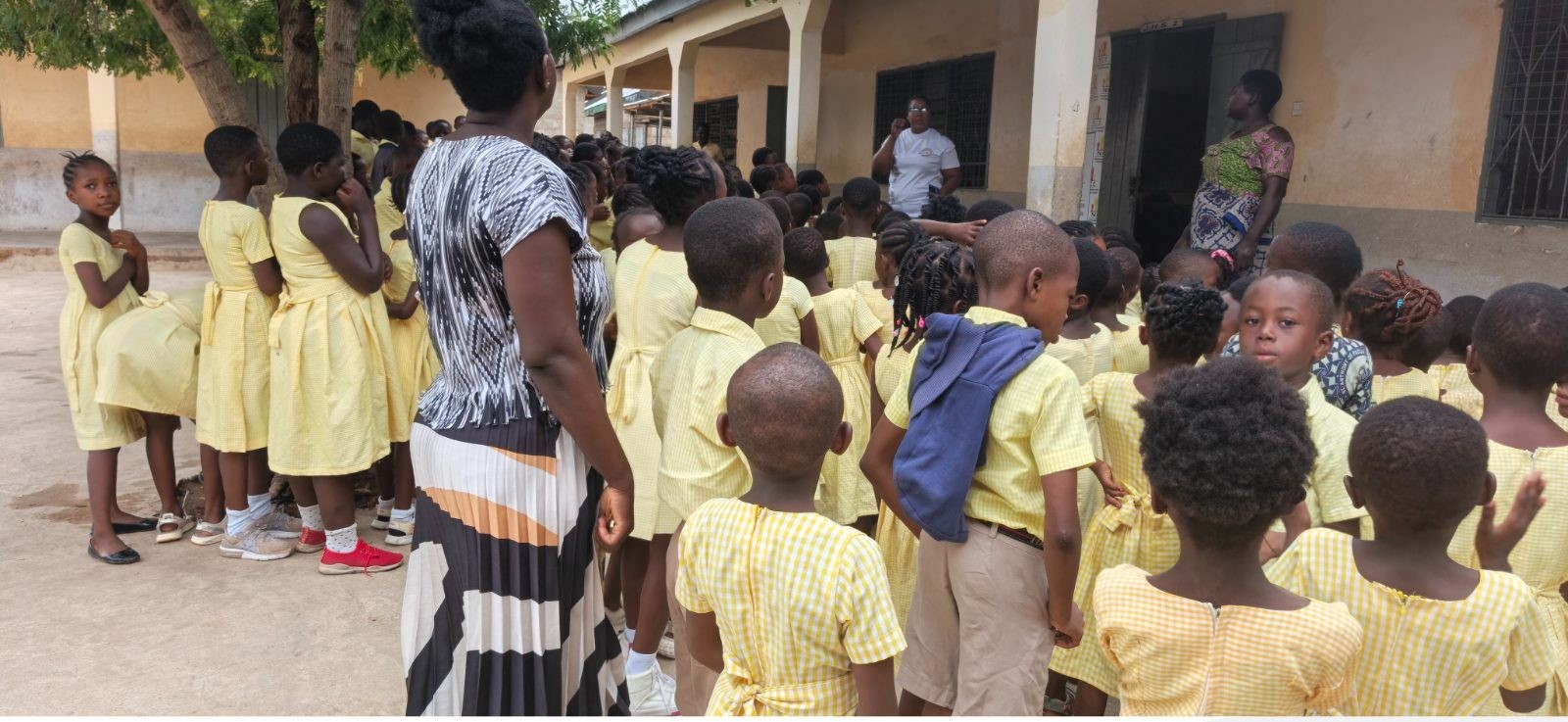
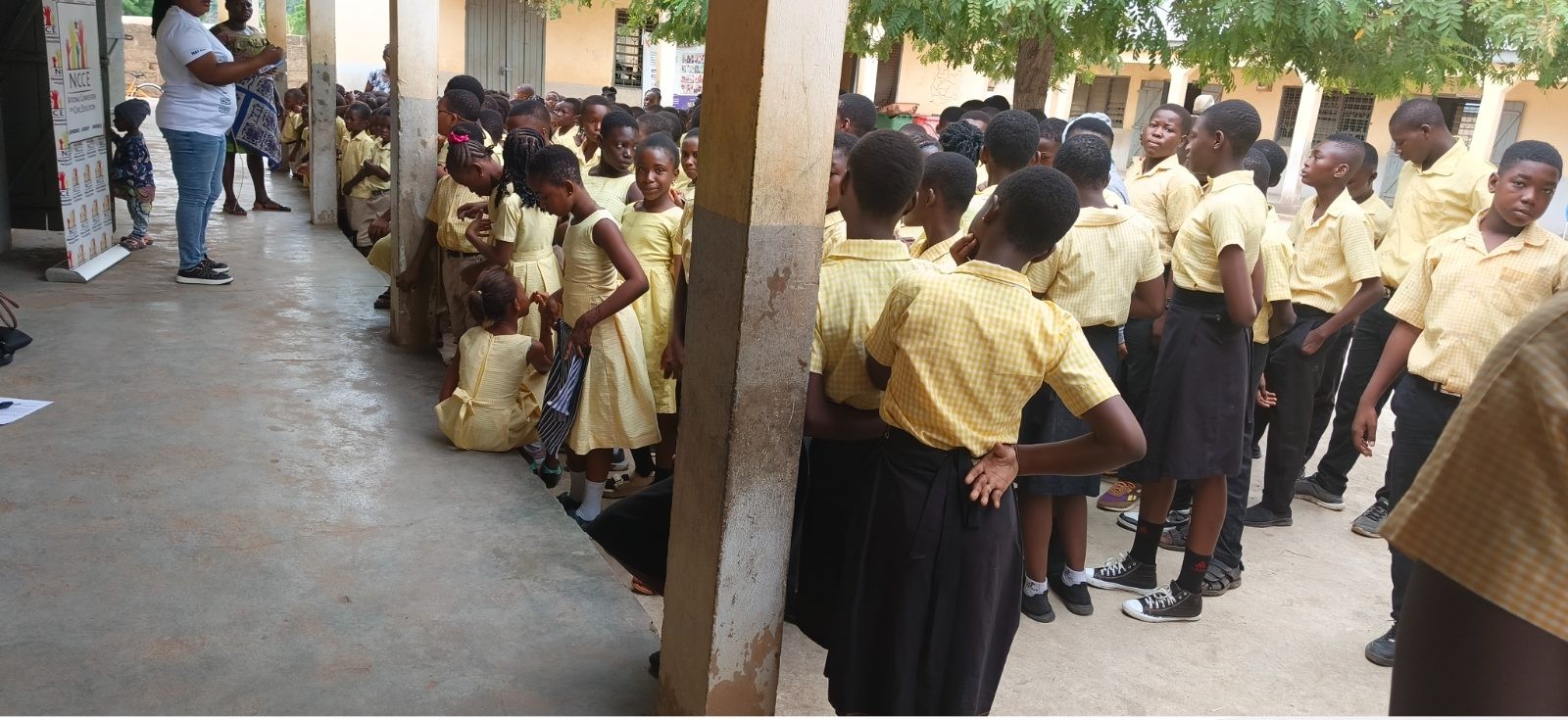
Held on Tuesday, 2nd June 2026, the programme brought together 321 participants, comprising 165 male and 156 female pupils, alongside teachers and school authorities. Present were Madam Bridget Akpanaba, Head of Programmes at the Upper East Regional Office; Mr. Augustine Akugri, Deputy Regional Director of the NCCE; Mr. Gumah Williams Osman, Headmaster of the school; members of staff; and pupils.
Delivering the keynote civic education message, Madam Akpanaba said this year’s Citizenship Week Celebration was being observed under the sub-theme, “Growing Up Digital: The Ghanaian Child Upholding the Constitution Online.” She explained that the celebration provides an opportunity to nurture civic-minded young people and instil in them the values, attitudes, and responsibilities required for active citizenship.
Madam Akpanaba took pupils through Ghana’s democratic journey and highlighted the importance of constitutional governance in protecting the rights and freedoms of citizens. Turning to the digital age, she noted that while smartphones, social media, and online learning tools offer benefits for education and communication, they also expose young people to risks such as cyberbullying, misinformation, online scams, privacy violations, and inappropriate content.
She cautioned pupils against sharing harmful messages, false information, or offensive content online. According to her, a single post, comment, photograph, or video can influence public opinion, damage reputations, or create conflict, making it important for young people to act responsibly online.
Also addressing the pupils, Mr. Akugri stressed the need to preserve Ghana’s cherished values and cultural identity in an increasingly connected world. He reminded them that rights and freedoms must be exercised responsibly and with respect for others.
Mr. Akugri encouraged the pupils to think critically before posting, commenting, or sharing information online by asking: “Is it true? Is it respectful? Could it harm someone or mislead others?” He also educated them on the Cybersecurity Act, 2020 (Act 1038), noting that the law seeks to protect people, particularly children, from cyber threats, cyberbullying, online harassment, and other forms of digital abuse.
NCCE officials further advised pupils to respect others online, avoid harmful or false content, protect their personal information, refrain from circulating nude images, report online abuse to parents, teachers, or law enforcement agencies, and stay away from gambling-related platforms.
The interactive session enabled pupils to ask questions and share their views on responsible internet use and online safety. At the end of the programme, school authorities commended the NCCE for educating young people on civic responsibility, constitutional values, and responsible digital citizenship.
_
Follow us on our social media pages for more stories and posts from the NCCE.

https://www.instagram.com/nccegh/

https://www.facebook.com/nccegh/
Leave a comment