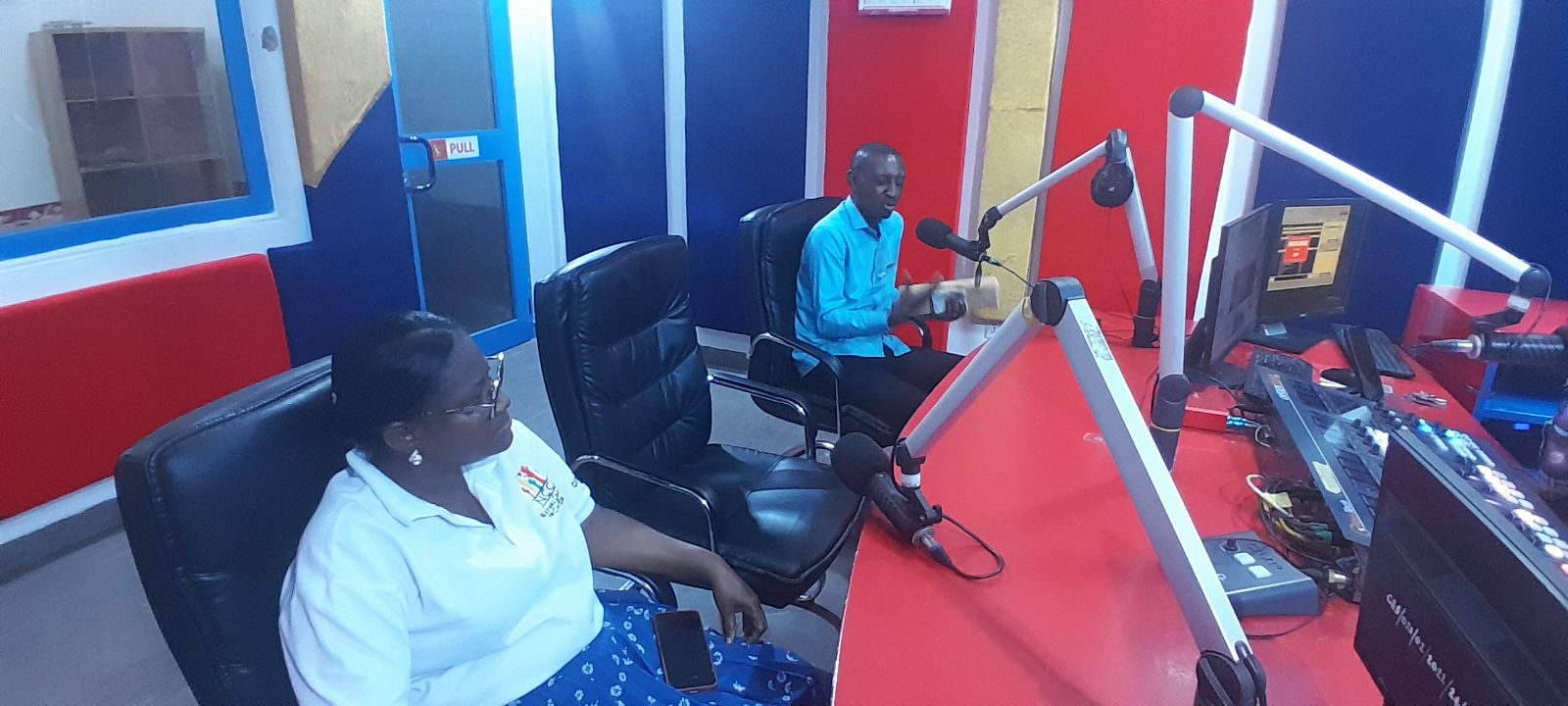
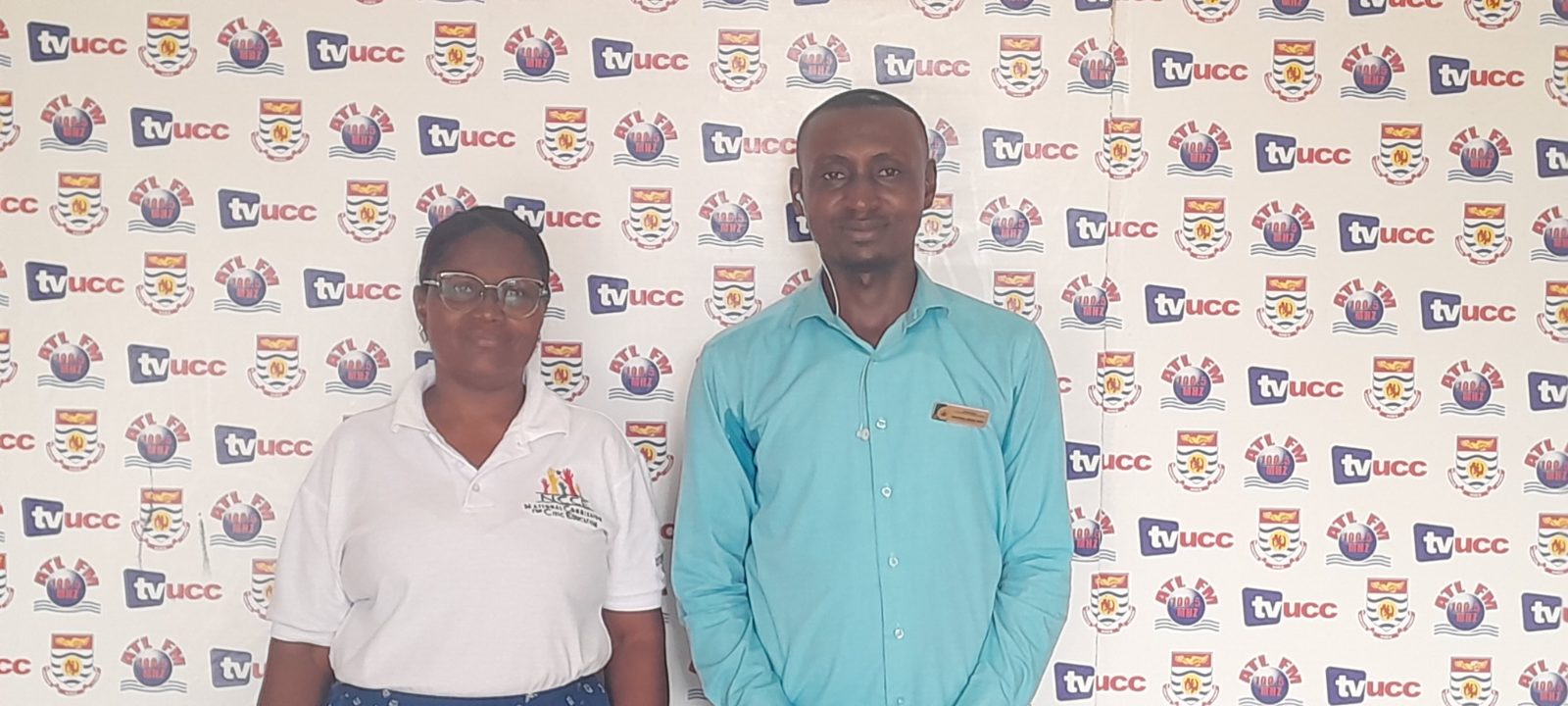
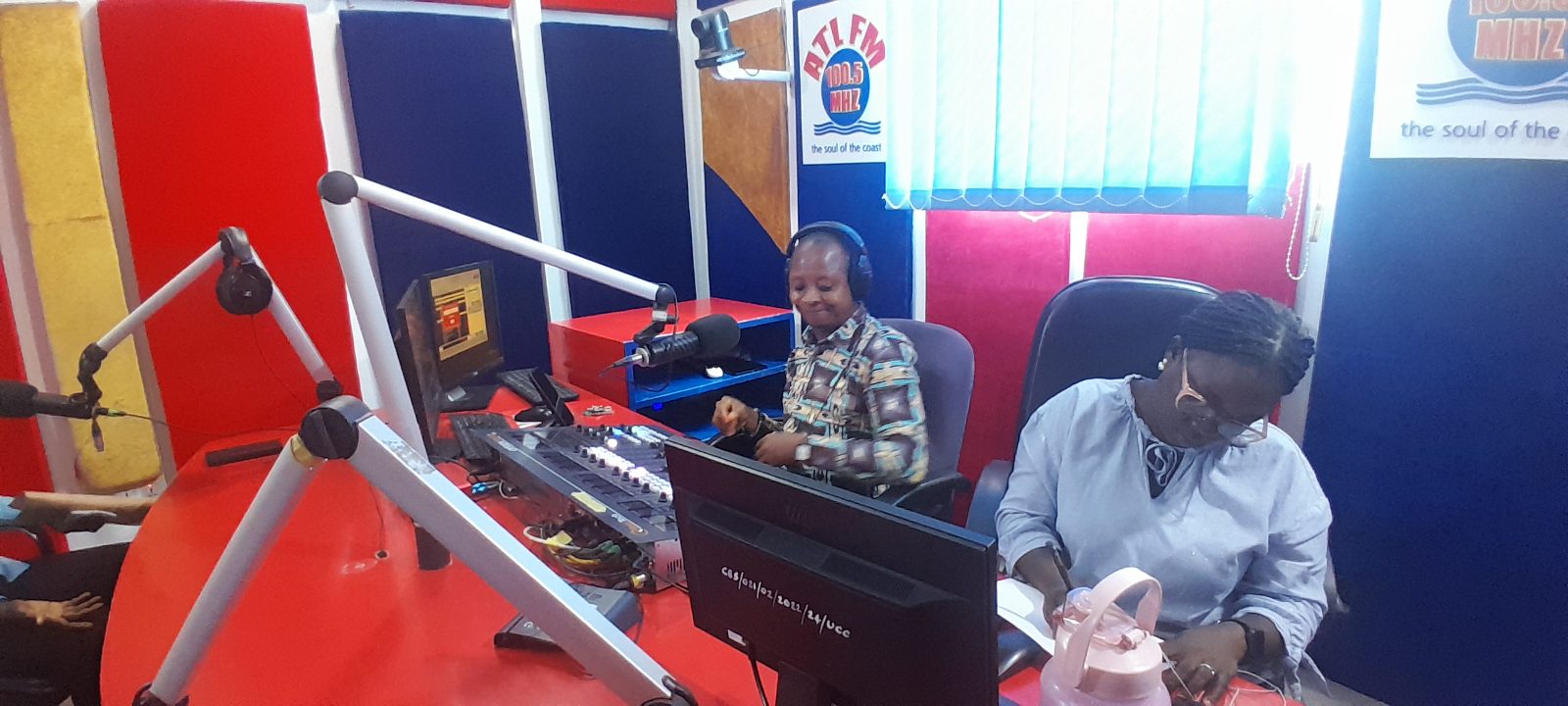
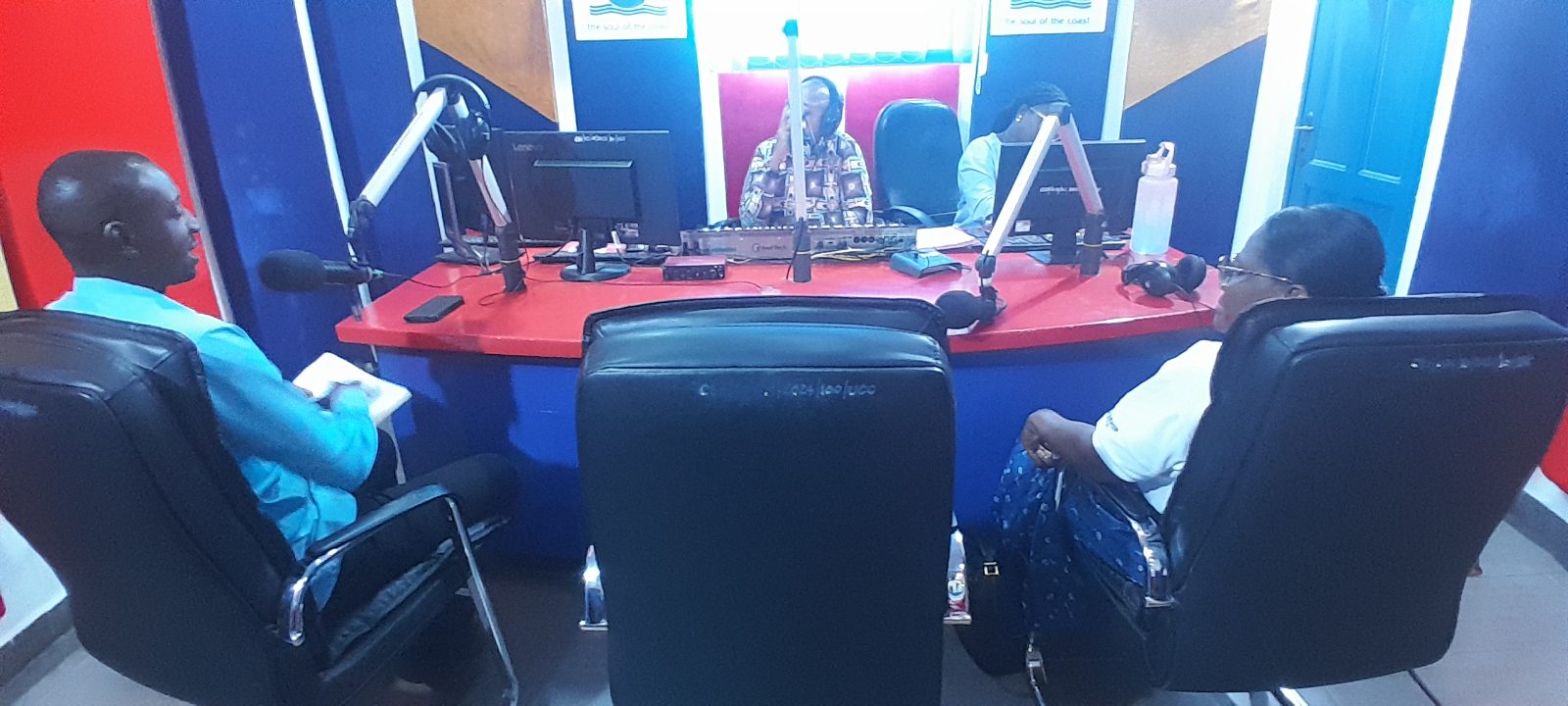
The Central Regional Office of the National Commission for Civic Education (NCCE), in collaboration with the Environmental Health and Sanitation Department, has intensified efforts to promote environmental cleanliness and public health through a live radio discussion on ATL FM in Cape Coast. The engagement forms part of the Commission's ongoing civic education campaign to encourage citizens to adopt responsible sanitation practices and contribute to creating a cleaner and healthier metropolis.
Speaking during the programme, Environmental Health Officer Mr. Emmanuel Owusu Ashia expressed concern over the persistent sanitation challenges confronting the Cape Coast Metropolis despite years of public education. He observed that indiscriminate disposal of waste, poor waste segregation, choked drains, littering, open defecation in some communities, and the improper disposal of plastic waste continue to pose serious environmental and public health risks.
Mr. Ashia explained that these poor sanitation practices contribute significantly to flooding during heavy rainfall, environmental pollution, offensive odours, and the breeding of mosquitoes, flies, and rodents that spread diseases. He cautioned that poor environmental hygiene increases the risk of outbreaks of preventable diseases such as cholera, typhoid fever, diarrhoea, dysentery, and malaria.
The Environmental Health Officer further noted that some residents and business operators continue to disregard environmental sanitation regulations by dumping refuse into drains, markets, beaches, and other public spaces. He stressed that ensuring a clean environment is a shared civic responsibility that requires the active participation of every citizen.
He therefore urged households to clean their surroundings regularly, store refuse in covered containers, and patronise approved waste collection services. He also encouraged residents to remove weeds and stagnant water around their homes to eliminate mosquito breeding sites and reduce the incidence of malaria.
As part of the public education campaign, listeners were encouraged to refrain from littering, practise waste segregation where possible, participate in community clean-up exercises, and report sanitation offences to the appropriate authorities. Food vendors were also reminded to maintain high standards of hygiene by keeping their premises clean, protecting food from contamination, and adhering to safe food handling practices.
To address the sanitation challenges, Mr. Ashia called for the strict enforcement of environmental sanitation bye-laws, regular desilting of drains, increased provision of refuse bins, continuous public education, and stronger collaboration among the Metropolitan Assembly, the NCCE, Environmental Health Officers, traditional authorities, civil society organisations, and community members. He also advocated improved sanitation facilities to eliminate open defecation and promote responsible waste management.
The NCCE reaffirmed its commitment to partnering with relevant stakeholders to strengthen civic education on environmental sanitation and inspire behavioural change. The Commission emphasised that maintaining a clean and healthy environment is not only essential for safeguarding public health but also for supporting sustainable development and preserving Cape Coast's image as one of Ghana's leading tourism destinations.

_
Follow us on our social media pages for more stories and posts from the NCCE.

https://www.instagram.com/nccegh/

https://www.facebook.com/nccegh/
https://www.youtube.com/channel/UCwajFJmmlmzRf1OMM.
Leave a comment