

Leadership is more than holding a position; it is a responsibility to serve others with integrity, accountability, and fairness. This was the message delivered to student leaders and young people in the Ahafo Region as the National Commission for Civic Education (NCCE) engaged nursing and midwifery students on ethical leadership, the rule of law and the fight against corruption.
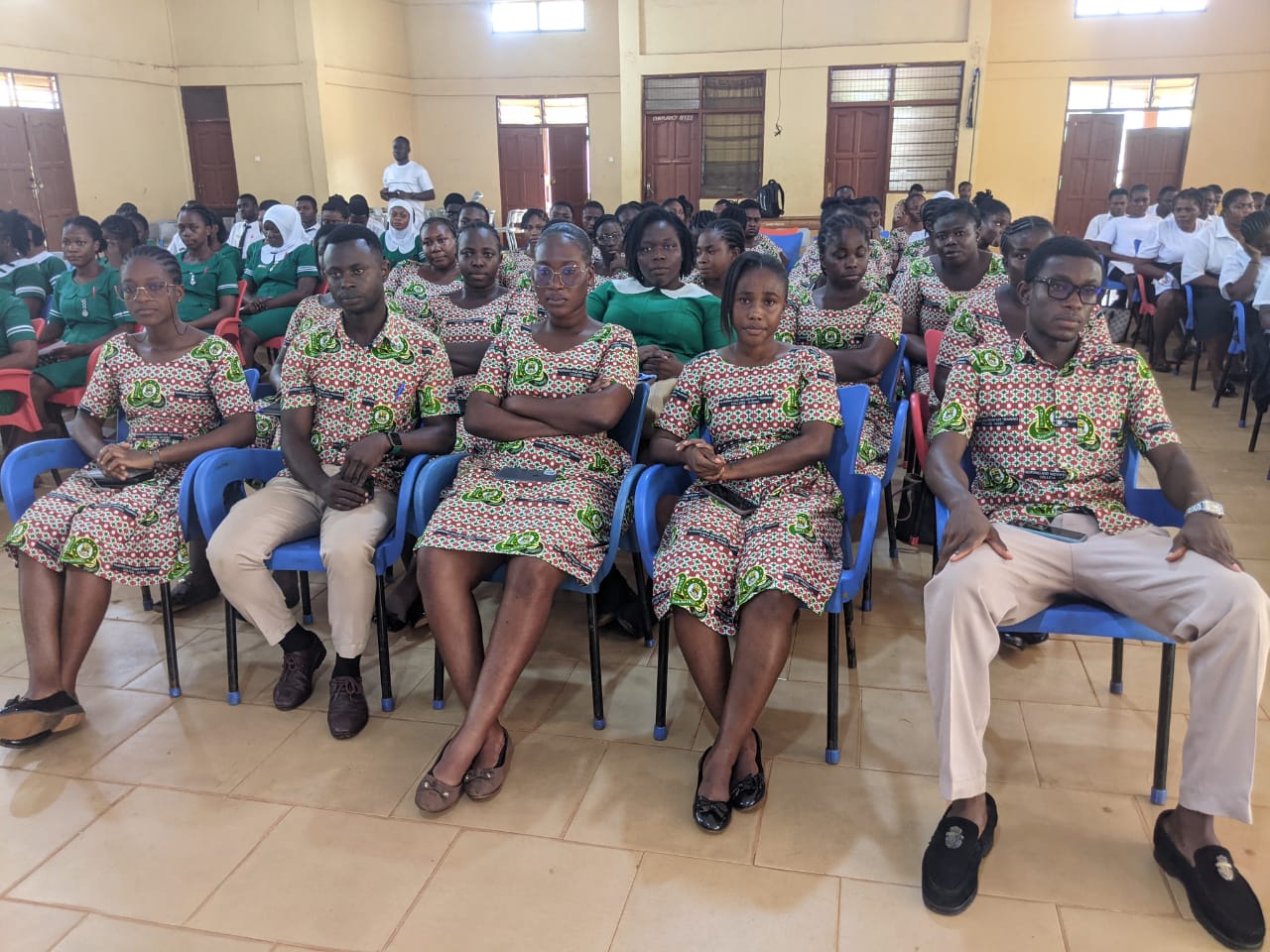
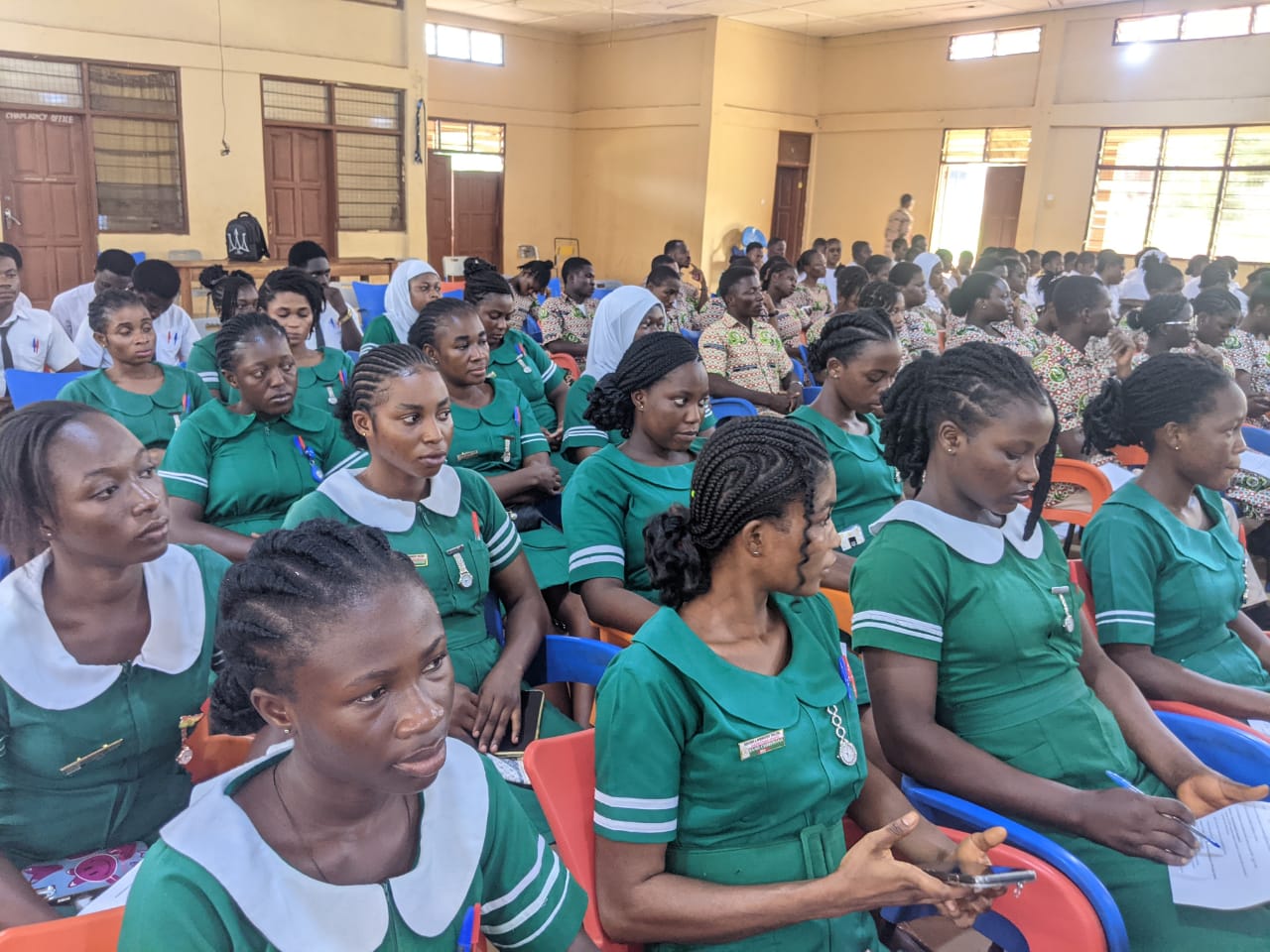
The engagement, held at the Nana Kwasi Bosomprah Hall of the Nursing and Midwifery Training College, Goaso, brought together students and youth leaders from Goaso Nursing and Midwifery Training College, Ntotroso Nursing and Midwifery Training College and Dadiesoaba Nursing and Midwifery Training College.
The programme formed part of the PAIReD Youth-Led Civic Dialogue Series under the “Civic Engagements on the Rule of Law and the Fight Against Corruption” initiative. It was supported by the German Federal Ministry for Economic Cooperation and Development (BMZ), the Swiss State Secretariat for Economic Affairs (SECO) and the European Union (EU), and implemented by the Deutsche Gesellschaft für Internationale Zusammenarbeit (GIZ) GmbH.
The engagement sought to strengthen the capacity of young leaders to promote transparency, accountability, ethical leadership and respect for the rule of law within their institutions and communities. It also aimed to deepen their understanding of these principles as essential elements of democratic governance and increase awareness of anti-corruption laws and accountability mechanisms, including the Whistleblower Act.
Delivering the keynote address as Special Guest of Honour, the Ahafo Regional Coordinating Director, Mr Joseph Frimpong Nayoo, challenged student leaders to see leadership as a responsibility entrusted to them rather than an opportunity for personal advantage. “Leadership is a trust, not a privilege to be exploited.”
Mr. Nayoo urged the young leaders to make integrity, transparency, accountability, respect for the rule of law and ethical conduct the foundation of their leadership. He encouraged them to properly account for resources entrusted to them, exercise authority responsibly, choose principle over convenience and have the courage to acknowledge and correct their mistakes.
He further reminded the participants that as future nurses, midwives and leaders, Ghana would require more than academic qualifications from them.
“Ghana will need your conscience, your integrity and your responsibility.”
During the main dialogue, the Ahafo Regional Director of the NCCE, Mr Eric Adu, emphasized that ethical student leadership forms an important part of the professional preparation of nursing and midwifery students.
He explained that student leaders do not own the offices they occupy but hold them in trust. Their responsibilities may include managing funds, records and information, representing their colleagues and influencing decisions that affect the student body.
Participants were therefore encouraged to make integrity, accountability, transparency, respect, responsibility, empathy and fairness the values guiding their leadership.
The session also challenged the young leaders to practise leadership through service by listening to their colleagues, consulting before making decisions, communicating clearly, treating people fairly and leading by personal example.
The engagement underscored the importance of preparing young people not only to become professionals but also responsible citizens and ethical leaders who can contribute to accountable institutions and a stronger culture of integrity in Ghana.
_
Follow us on our social media pages for more stories and posts from the NCCE.

https://www.instagram.com/nccegh/

https://www.facebook.com/nccegh/
https://www.youtube.com/channel/UCwajFJmmlmzRf1OMM.
Leave a comment